




Every school morning across Zimbabwe, thousands of parents hand over their children to transport operators they barely know, trusting that they will arrive safely at school and return home unharmed.
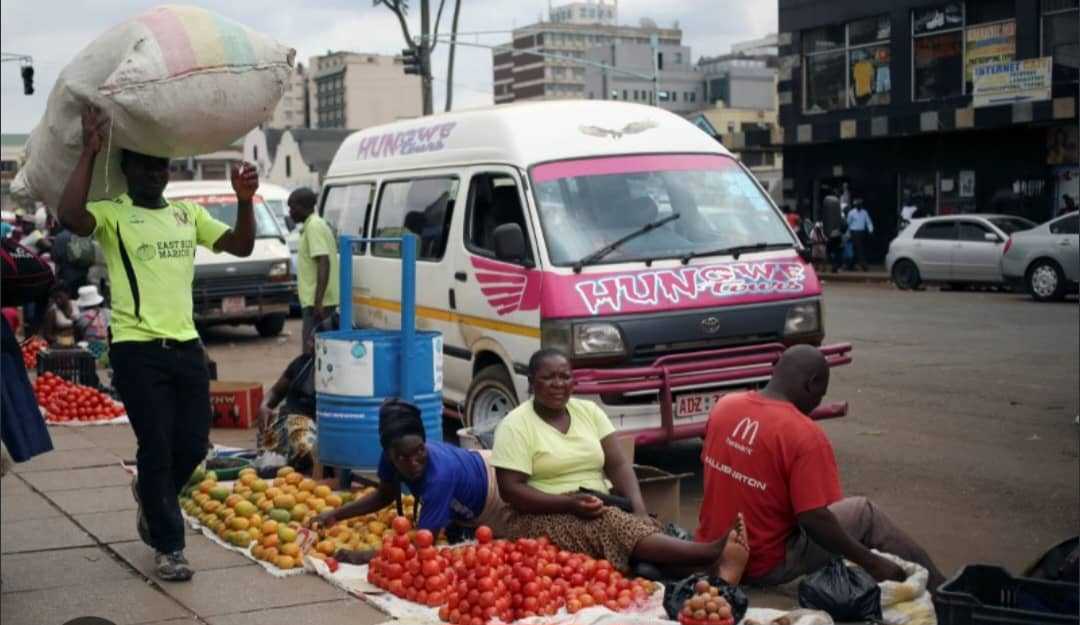
For many families, however, that trust is increasingly being placed in ageing commuter omnibuses, overloaded vehicles, unlicensed operators and transport arrangements that exist largely outside formal regulation.
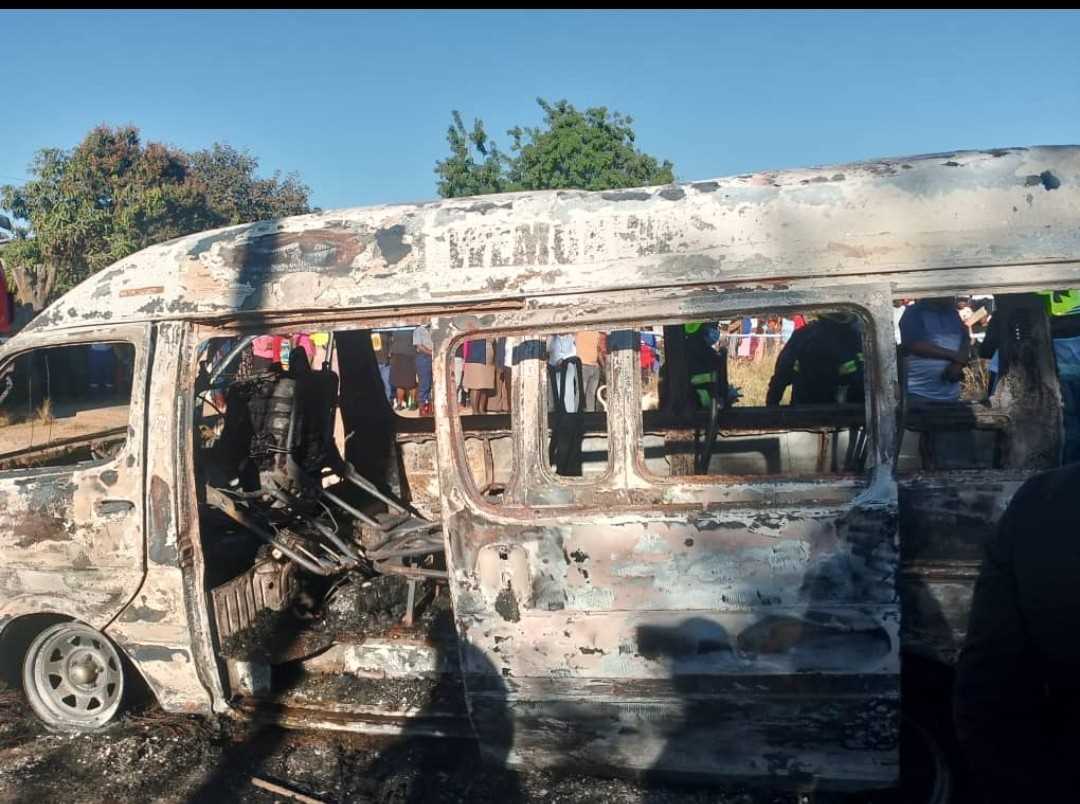
The recent Gweru commuter omnibus fire, which claimed the lives of seven Matongo Primary School pupils, has once again exposed what many parents, safety advocates and transport campaigners say is a national crisis that has long been ignored despite repeated warnings.
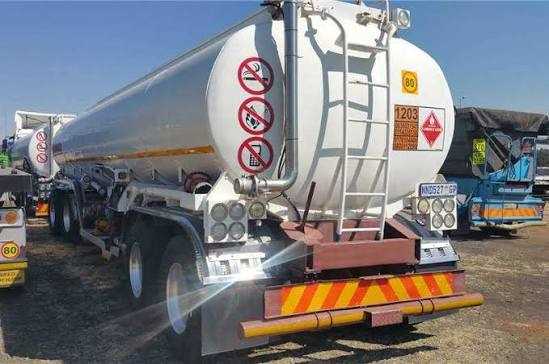
The tragedy occurred in Senga suburb where a commuter omnibus carrying 24 children caught fire. Preliminary investigations indicate that the vehicle may have been carrying a container of fuel. Seven children died while several others sustained injuries.
The disaster followed other fatal incidents involving schoolchildren in recent years.
In 2022, six pupils from Tynwald High School died when a school bus overturned in Nyanga, while a teacher later succumbed to injuries sustained in the crash. Earlier this year, three learners from Musume Primary School in Mberengwa also lost their lives in a transport-related accident.
Despite the recurring tragedies, unsafe school transport remains common in many towns and cities.
"We see the kombis every day they're old, they're overcrowded, but what choice do we have?" said one parent from Harare.
Another parent said schools could no longer distance themselves from the issue.
"Schools should check the vehicles. If they're sending our children with unsafe transport, they're not doing their job," the parent said.
A third parent questioned the lack of accountability.
"The drivers know they're overloaded. The conductors know. But who stops them?" the parent asked.
The Ministry of Primary and Secondary Education said reforms are now being considered.
Taungana Ndoro said the ministry would work with the Ministry of Transport and Infrastructural Development to establish a regulatory framework for school transport.
"The Ministry is concerned by the continued loss of life of learners on school transport routes and we believe this is worsened by the condition of vehicles plying these routes or negligent driving," said Ndoro.
"The urgency of the matter has been underlined by the Gweru disaster, where the President declared the incident a national disaster," he said.
"So, this is not yet policy, but what we are saying is that learners should be ferried by vehicles suitable to carry learners and the drivers should be licenced to drive learners, not a haphazard scenario," Ndoro said.
However, some parents argue that authorities have been aware of the problem for years.
Daisy Muzopa said concern alone was no longer enough.
"I concur we should dispatch such
missives to the rightful authorities, because it now appears to be rhetoric without action. We have been witnessing these vehicles transporting school children daily, some crammed like sardines into diminutive cars, yet there is no intervention from police or the Ministry of Transport," said Muzopa.
"I think PAZ must assiduously petition every door of these officials until these issues are redressed," she said.
Related Stories
Muzopa added that responsibility could not be placed solely on authorities.
"Part of the blame goes to us the parents and maybe to a lesser extent the schools and early learning centres. The first question arises as to who organises the transport?" she said.
Patience Makiwa stated that "As parents the overloading happens right in our eyes and same same goes to schools. None of these things are happening without our knowledge as parents or school authorities except the carrying of fuel in jerry cans. The conditions of these vehicles we are all aware," said Makiwa.
Passengers Association of Zimbabwe national coordinator Tafadzwa Goliati said authorities had ignored repeated warnings.
"As the Passengers Association of Zimbabwe, we cannot keep being reactive after disasters occur. We have been raising these issues for years to prevent tragedies before they happen, yet there has been no willingness or action," said Goliati.
"School children are being ferried to school daily in unroadworthy vehicles, by inexperienced and unlicensed drivers. This is happening every day, but there is still no action on these national issues involving our children. It always ends in a blame game. PAZ has repeatedly informed the authorities about these issues," he said
For families affected by the Gweru disaster, the issue is deeply personal.
"My child and other innocent children were packed like sardines," said the father of one of the seven learners killed in the fire.
Tendai Makaripe said economic realities often force parents into difficult choices.
"Parents do not choose risk because they do not care. Many choose what they can afford, then pray that the driver arrives safely," said Makaripe.
"School transport sits in a dangerous blind spot. Parents often arrange transport privately, schools often distance themselves from those arrangements, operators focus on daily income, and authorities usually intervene after a disaster has already struck," he said.
The economics behind school transport partly explain why unsafe operators remain in business.
Parents reported paying anything from US$50. to as much as US$130 per child per month depending on location and distance travelled. One parent pays US$30 monthly for a daughter, while another in Warren Park pays US$40.
Some families said transport costs had increased from US$65 to US$130 per month.
Others reported paying US$80 per child, while parents in Bulawayo complained of a US$60 transport levy.
Traffic Safety Council of Zimbabwe spokesperson Christopher Munodawafa said schools have a duty to ensure children's safety.
"School authorities must ensure that vehicles used to transport pupils are roadworthy, properly licensed and insured so that there is recourse in the event of an accident," said Munodawafa.
"We are warning against the unsafe practice of overloading vehicles, carrying passengers alongside goods, particularly flammable materials such as fuel, as this poses serious risks to lives," he said.
Behind every transport fee paid at the beginning of the month is a parent making a simple purchase not of a seat in a vehicle, but of peace of mind.
Yet for many families, that peace of mind is increasingly fragile.
The recurring tragedies in Nyanga, Mberengwa and Gweru suggest that Zimbabwe's school transport system remains built largely on trust rather than regulation, and hope rather than enforcement.
The challenge now is whether the country acts before another disaster forces the conversation again. For grieving families, that answer cannot come soon enough.




Leave Comments