






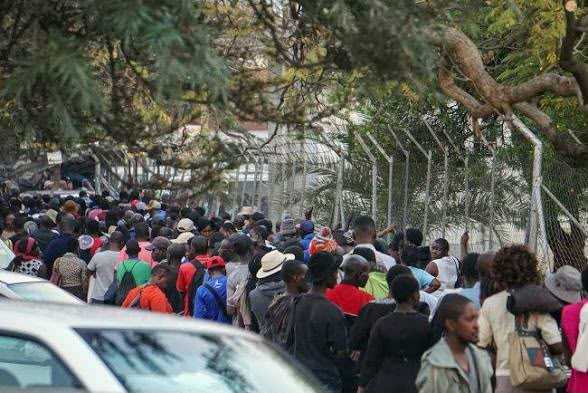
Zimbabwe has intensified health screening at its border posts after authorities discovered that about 7,000 travellers who entered the country in transit to other destinations failed to continue with their journeys and are now believed to be living in different parts of the country.
The Ministry of Health and Child Care said the development has prompted health officials to screen everyone entering through border posts to help prevent the spread of diseases and ensure that people requiring treatment are identified and linked to healthcare services.
Minister of Health and Child Care Douglas Mombeshora said all travellers entering through Beitbridge Border Post, including those transiting to Malawi and Zambia, are now undergoing medical screening.
"We had about 150 yesterday. We have a clinic at Beitbridge screening everyone who is passing through. Those in transit to Malawi and Zambia are all being screened. We also have our own returnees. The number of those in transit is much higher," he said.
Mombeshora said the ministry became concerned after discovering that thousands of people who entered Zimbabwe as transit travellers had not left the country.
"There is a challenge that we have realised. We have 7,000 people who entered in transit and have disappeared in Zimbabwe, so they are somewhere in our country. This is the reason why we have to screen everyone," he said.
Related Stories
He said health workers were also assisting returnees who arrived without medication after leaving South Africa in a hurry, particularly people living with HIV who require uninterrupted treatment.
"We have to give those on antiretroviral treatment a five-day supply, especially those who say they left their tablets behind. There are quite a number. We need to determine the type of tablets they were taking and whether we use the same medication as South Africa before giving them temporary treatment," he said.
Mombeshora said patients receiving temporary medication would be referred to clinics near their destinations for continued care.
"We need to refer them and make sure they go to a proper clinic and are enrolled in the main programme. We must also do what we can afford. There is no point in giving someone a month's supply when we do not have adequate stocks," he said.
He added that all people entering the country were being screened for both communicable and non-communicable diseases, with those requiring medical attention receiving immediate assistance.
"Everyone is being screened for communicable diseases, infections and non-communicable diseases. Some have their medication, while others tell us, 'We were in a rush, so we left it behind.' There are several challenges, and we have to do what we think is possible," he said.








Leave Comments