







Nearly 30 years after Zimbabwe's High Court directed a government minister to address salary disparities affecting senior managers at the former Posts and Telecommunications Corporation (PTC), another group of citizens has turned to the courts in pursuit of what they believe is fair financial treatment.
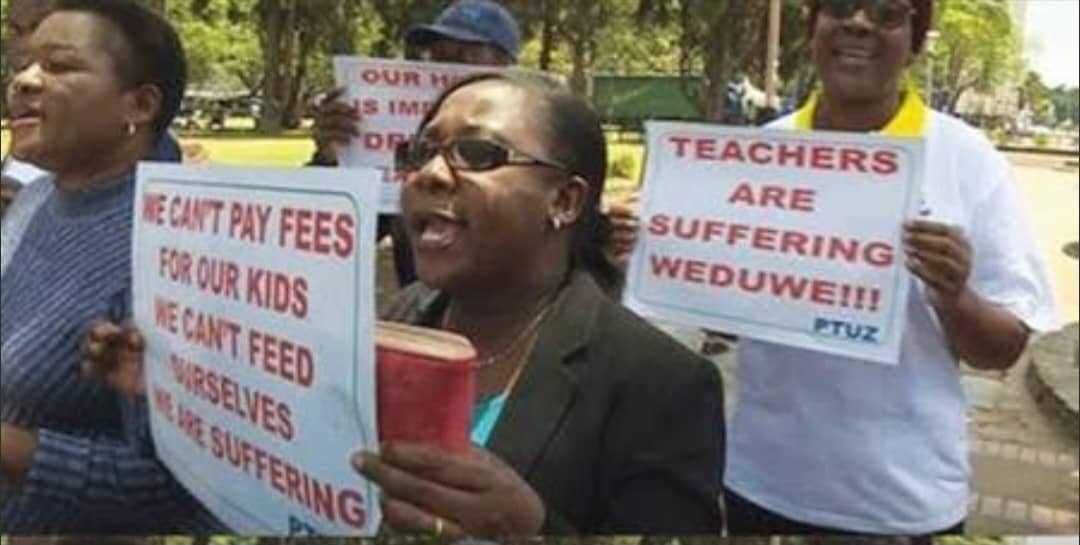
More than 100 pensioners have approached the High Court seeking relief against the National Social Security Authority (NSSA), arguing that monthly pension payments averaging US$55 and ZWG308, while widows and widowers receive US$20, are insufficient to cope with Zimbabwe's rising cost of living.
The applicants, led by Gideon Shoko, argue that the current pension payments have pushed many retirees into poverty despite decades of mandatory contributions to the national pension scheme. According to the court application, NSSA has failed to regularly review pension benefits to keep pace with inflation and changing economic conditions, leaving many pensioners unable to meet basic needs such as food, accommodation, healthcare and transport.
They want the High Court to declare that the existing pension system breaches Sections 71 and 82 of the Constitution, maintaining that pension contributions constitute protected property and that older persons are constitutionally entitled to adequate social security. They are also seeking an order directing NSSA to review its pension payment framework.
"NSSA's payments do not reflect the value of what pensioners contributed during their working years. Forcing people into poverty after a lifetime of work goes against both constitutional protections and basic human decency," Shoko stated.
The legal action has drawn parallels with the landmark 1998 High Court case involving the PTC Managerial Employees Workers Committee and the then Minister of Information, Posts and Telecommunications.
In that matter, senior managers challenged the government's refusal to approve salary adjustments arising from a 1992 job evaluation exercise. They argued that the prolonged delay in implementing the review had created salary distortions, with junior employees earning more than their supervisors despite increasing living costs.
Although the High Court stopped short of determining the salaries itself, the late Justice Moses Hungwe Chinhengo ordered the responsible minister to review the remuneration of the affected employees using the 1992 job evaluation as the basis for correcting the anomalies. The minister was also ordered to pay the costs of the application.
Related Stories
While the two cases arise from different legal circumstances, both are rooted in claims that statutory bodies failed to ensure that remuneration or benefits remained consistent with prevailing economic conditions.
In each case, the applicants contend that public institutions have a legal duty to periodically review salaries or pensions so that they remain fair and reasonable. Rather than asking the courts to determine the payments themselves, both groups sought judicial intervention compelling the relevant authorities to carry out meaningful reviews.
The legal basis of the current NSSA challenge, however, differs markedly from that of the 1998 PTC dispute.
Whereas the PTC case centred largely on administrative decisions made under the Audit and Exchequer Act and the implementation of a job evaluation exercise, the pensioners' application relies principally on constitutional protections introduced by Zimbabwe's 2013 Constitution.
The applicants argue that compulsory pension contributions accumulated over many years amount to vested property protected under Section 71 of the Constitution. They further contend that NSSA has failed to discharge its constitutional obligation under Section 82 to protect the welfare of older persons.
"The Constitution binds NSSA to protect pensioners’ rights, but instead, retirees are suffering. Monthly payouts must bear a rational relationship to both their contributions and the cost of living," Shoko noted.
Should the pensioners succeed, the judgment could extend beyond the immediate applicants by triggering a wider review of NSSA-administered pension benefits and reinforcing the constitutional responsibilities of public institutions tasked with providing social security.
At the time of publication, NSSA had not yet filed its response to the application, and the matter remains before the High Court in Harare.








Leave Comments