


Drug and substance abuse is no longer a hidden problem in Zimbabwe's communities. From high-density suburbs to rural districts, young people are openly consuming dangerous substances, forcing authorities to shift from reacting to addiction to detecting it early before more lives are destroyed.
The growing crisis has prompted the Ministry of Health and Child Care, through the National Committee on Drug and Substance Abuse, to launch the Zimbabwe National Drug Testing Programme, a nationwide intervention aimed at strengthening prevention, early detection, treatment and reintegration.
Minister of Health and Child Care, Douglas Mombeshora, said the programme represents a coordinated national response to drug and substance abuse through prevention, early detection, treatment and reintegration.
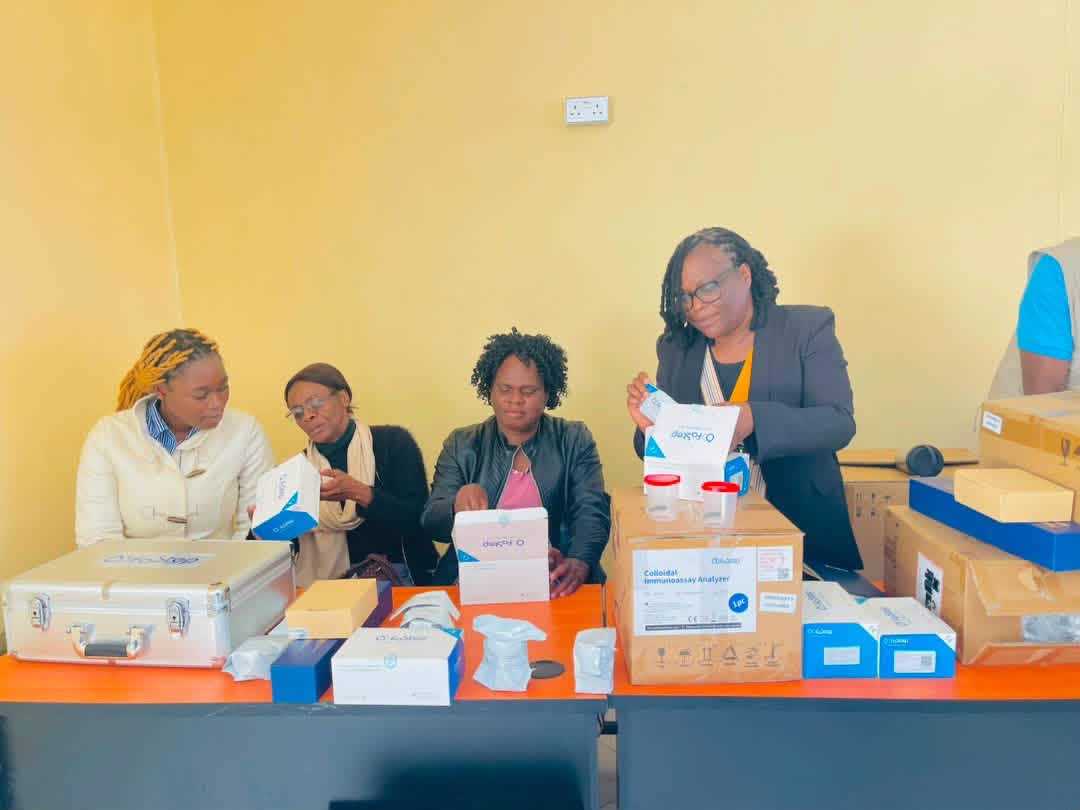
He said laboratory personnel across Zimbabwe will undergo specialised training to use urine, saliva, blood and hair drug-testing systems supported by digital readers.
Mombeshora said the Medical Laboratory and Clinical Scientists Council of Zimbabwe (MLCSCZ) will certify all trained personnel under a structured three-tier certification framework to build a national workforce of certified drug-testing professionals.
He said the programme will standardise drug-of-abuse testing, improve quality assurance and generate reliable data to support evidence-based policymaking and planning in line with national legal, ethical and human rights frameworks.
Mombeshora said drug testing is not intended to punish people but to serve as an entry point to counselling, treatment and rehabilitation while strengthening Zimbabwe's seven national pillars on drug and substance abuse, including demand reduction, harm reduction and legal compliance.
The intervention comes as communities continue to report growing cases of young people openly abusing drugs.
Related Stories
Combined Harare Residents Association (CHRA) chairperson David Pasipanodya described the situation as a ticking time bomb that threatens the future of the country's youth.
He said that in high-density suburbs such as Kuwadzana and Mufakose, many young people have easy access to drugs because of widespread unemployment and limited economic opportunities, describing addiction as both a public health emergency and a consequence of economic hardship.
Tapiwa Mpofu said communities are now witnessing young men and women gathering openly to use crystal meth (mutoriro), illicit alcohol, marijuana and abused prescription drugs, while families continue to collapse under the weight of addiction driven by unemployment and economic hardship.
Knowledge Sibanda urged young people to reject drugs despite peer pressure.
"Believe in yourselves. Choose your friends wisely. Have the courage to say no whenever you are confronted with drugs or any harmful substances. True strength is found in making responsible decisions even when others choose a different path."
Some young Zimbabweans are also using music to fight drug abuse.
Zimdancehall artist Tinashe Dick said his music is now being used to discourage young people from taking drugs after he experienced the effects of substance abuse himself.
"My music encourages my peers not to consume drugs because they damage our health. As a young man who has abused drugs, I decided to preach against drug abuse through my music career."
The launch of the National Drug Testing Programme signals a shift in Zimbabwe's response to drug abuse—from reacting after addiction has taken hold to identifying users early and directing them towards counselling, treatment and rehabilitation before more families and communities are torn apart.







Leave Comments