





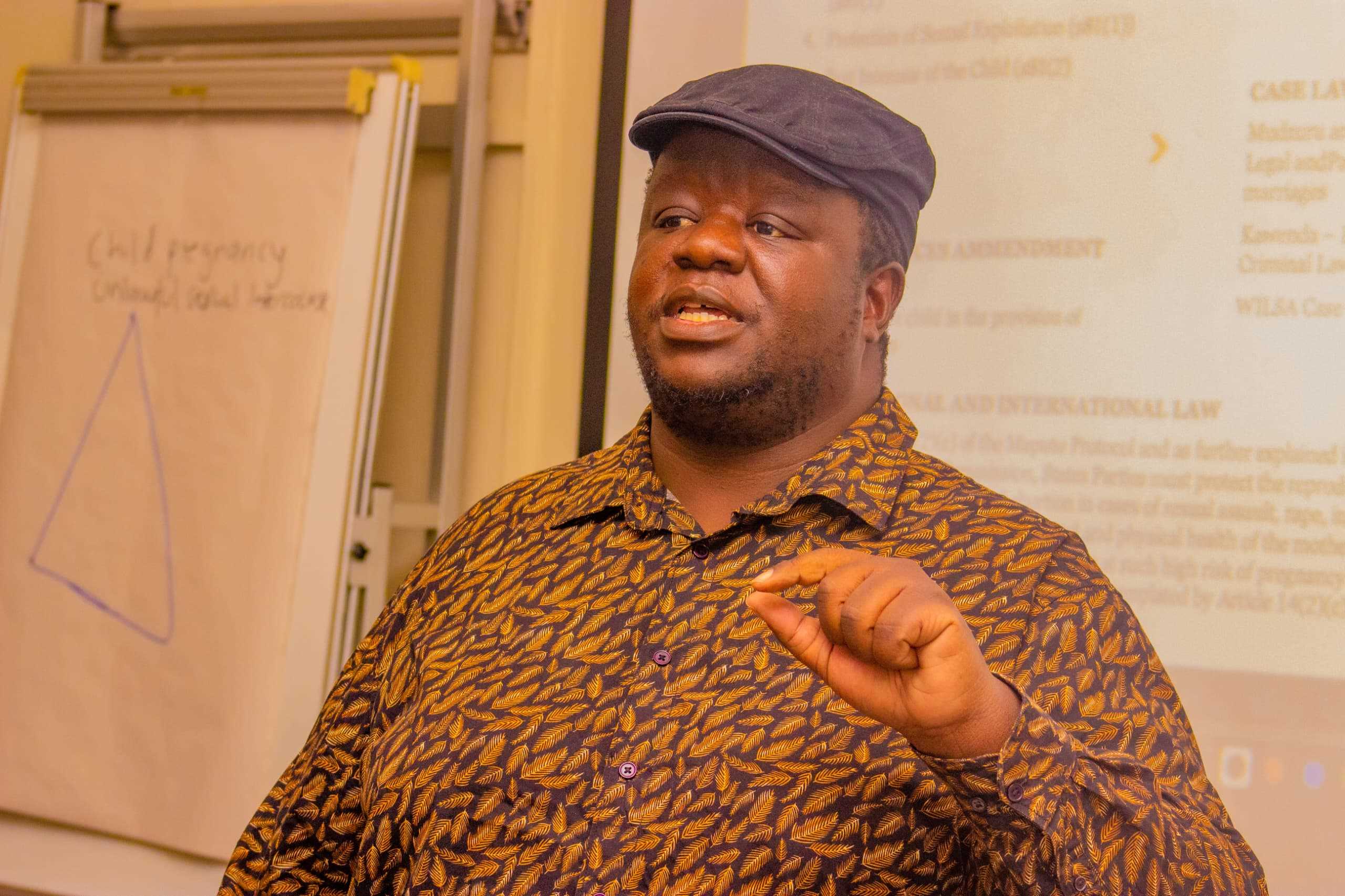
Government officials, mining companies, civil society organisations, academics and community representatives have convened in Harare to launch a regional initiative aimed at promoting responsible, inclusive and environmentally sustainable extraction of critical energy transition minerals, as Zimbabwe seeks to position itself as a key supplier of minerals needed for the global green energy shift.
The National Stakeholder Engagement Meeting, organised by the World Wide Fund for Nature Zimbabwe and the Zimbabwe Environmental Law Organisation, marks the commencement of the project titled "Fostering Environmentally and Socially Responsible, Decarbonized, Inclusive and Transformative Value Chains for Energy Transition Minerals in the SADC Region."
The initiative comes at a time when Zimbabwe is attracting growing international attention due to its vast deposits of lithium, graphite, nickel and other minerals that are critical to the production of electric vehicle batteries, renewable energy technologies and energy storage systems.
Civil society organisation Zimbabwe Coalition on Debt and Development, which is participating in the engagement, said the project presents an opportunity to strengthen environmental governance and ensure mining communities benefit from the country's mineral wealth.
"As an organisation committed to promoting economic justice, transparency, accountability, and sustainable development, ZIMCODD welcomes this initiative, which seeks to strengthen environmental governance, enhance community participation in mining decision-making processes, improve ESG compliance, and advance inclusive benefit-sharing mechanisms in mining communities."
Zimbabwe has emerged as one of Africa's most significant lithium producers in recent years, driven by multi-billion-dollar investments largely from Chinese mining firms. Major projects such as Arcadia Lithium Mine, Bikita Minerals and Sabi Star have positioned the country among the continent's leading suppliers of the battery mineral.
According to the Chamber of Mines of Zimbabwe, the mining sector contributes about 75% of Zimbabwe's export earnings and more than 13% of gross domestic product, making it one of the country's most important economic sectors. However, questions have increasingly been raised about whether mining communities are receiving a fair share of the benefits generated from resource extraction.
The stakeholder engagement seeks to address those concerns by promoting dialogue around responsible critical energy transition mineral value chains, particularly in districts such as Hwange and Binga where communities have long complained about environmental degradation, displacement and limited local economic benefits from mining operations.
Related Stories
The discussions come amid growing global scrutiny of environmental, social and governance standards in mining. As demand for critical minerals accelerates due to the transition from fossil fuels to renewable energy technologies, international investors and development institutions are placing greater emphasis on responsible sourcing practices.
For Zimbabwe, the challenge lies in balancing the economic opportunities presented by the global energy transition with environmental sustainability and community welfare.
While the country has aggressively pursued investment in lithium and other strategic minerals, civil society groups have repeatedly raised concerns about inadequate community consultations, environmental impacts and weak benefit-sharing arrangements.
ZIMCODD said the engagement provides an important platform for stakeholders to contribute towards ensuring mineral extraction supports long-term development objectives.
"The engagement provides an important platform for stakeholders to contribute perspectives towards ensuring that the extraction and beneficiation of critical minerals contribute to sustainable livelihoods, environmental protection, and equitable socio-economic development, particularly in communities affected by mining activities in Hwange and Binga districts."
The focus on beneficiation is particularly significant given the government's efforts to move beyond the export of raw minerals. In 2022, Zimbabwe banned the export of unprocessed lithium ore as part of a strategy to encourage local value addition and maximise economic returns from the country's mineral resources.
However, analysts note that while investment in critical minerals has surged, governance challenges continue to threaten the sector's long-term sustainability. Reports by civil society organisations and parliamentary committees have highlighted concerns ranging from environmental management and revenue transparency to community compensation and compliance monitoring.
The launch of the project reflects growing recognition that the global transition to clean energy will require not only increased mineral production but also stronger governance systems capable of ensuring that mining-led growth translates into sustainable and inclusive development.








Leave Comments