





Zimbabwe’s newly introduced grain and oilseed import levies have received strong backing from legal experts and economists, who argue that the measures are firmly rooted in the Agricultural Marketing Authority Act and are intended to stimulate local production, strengthen food security and reduce dependence on imports.
The support comes after the Grain Millers Association of Zimbabwe threatened to file an urgent court application seeking the repeal of Statutory Instrument 87 of 2025, claiming the levies are unconstitutional and warning that they could trigger significant increases in the prices of basic commodities.
However, legal experts say the association’s position is fundamentally flawed, both in law and policy.
One senior legal expert familiar with the Agricultural Marketing Authority Act said the legislation explicitly empowers the Government to impose such levies in pursuit of agricultural development and food security objectives.
“The AMA Act is very clear on the mandate and purpose of the statute. In the preamble, it states, inter alia: ‘to provide for the imposition and collection of levies on producers, buyers and processors of agricultural products; to provide for the administration and disbursement of monies from the Fund,’” the legal expert said.
“It therefore goes without saying that the Minister is empowered to impose the levies, as he has rightfully done in this case. This is further corroborated under Section 5(1), in terms of the functions and powers of the Authority.”
The legal opinion directly challenges GMAZ’s assertion that the Minister can only impose levies on locally produced agricultural commodities.
The expert argued that the levies are part of a broader regulatory framework designed to stabilise domestic agriculture, protect local producers and finance infrastructure critical to national food security.
“The Government, right from the highest office in the land, has made several pronouncements in the spirit of NDS1 and NDS2 to stimulate domestic production, including in the agriculture sector, for the achievement of national food sovereignty and the broader attainment of Vision 2030,” the legal expert added.
“This is especially so given the fact that the country is unnecessarily losing over US$4 billion through the importation of goods that can be produced locally.”
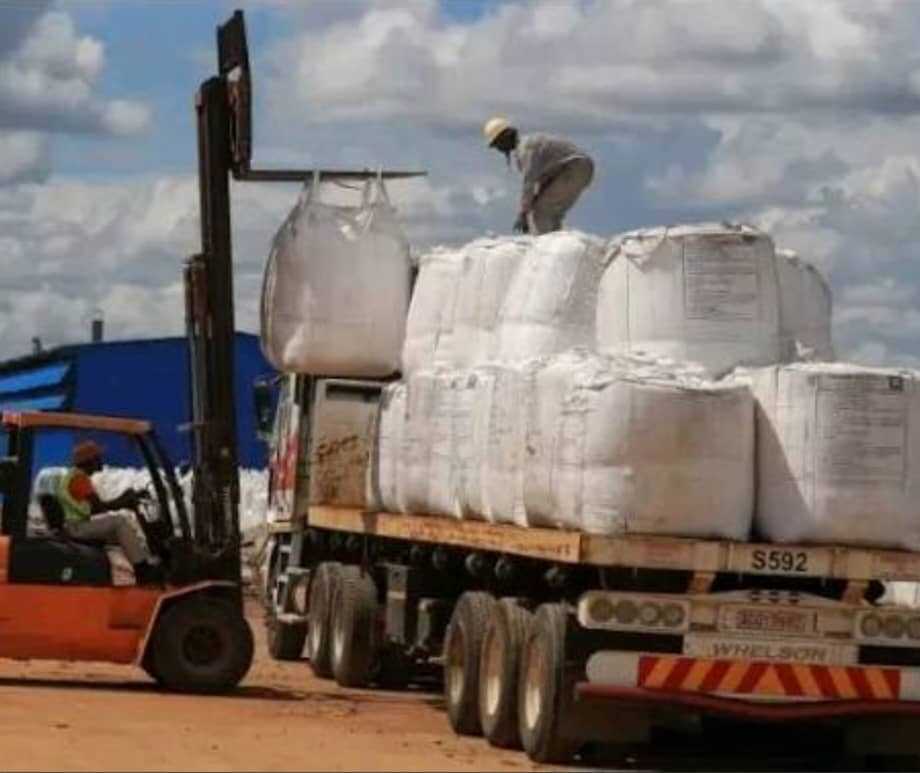
The levies form part of the Government’s import substitution and localisation drive under Statutory Instrument 87 of 2025, which compels processors and manufacturers to progressively source grains and oilseeds locally.
Authorities insist the policy is not merely a revenue-generating measure, but a strategic intervention aimed at rebuilding domestic production systems weakened by years of drought, underinvestment and import dependence.
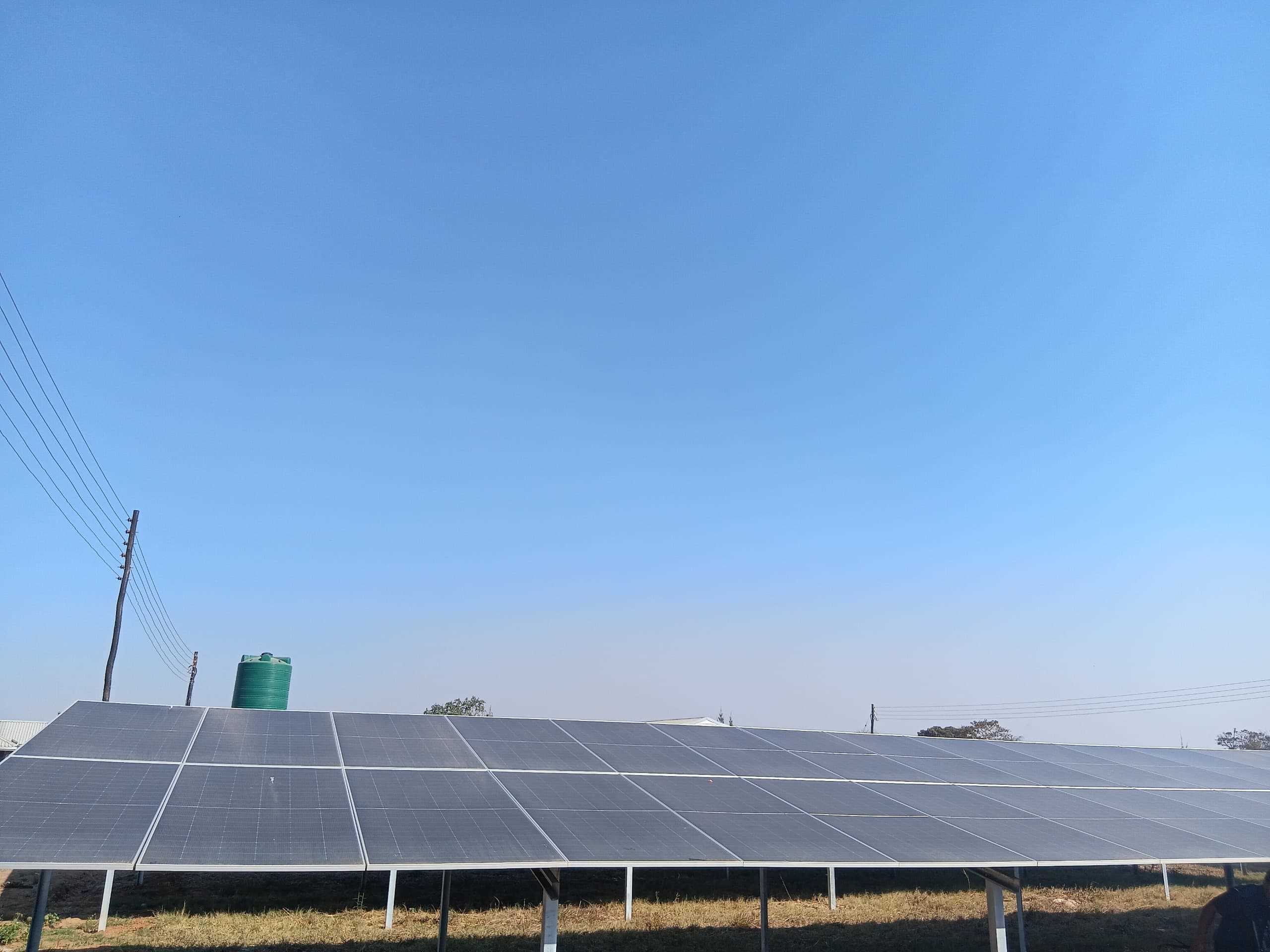
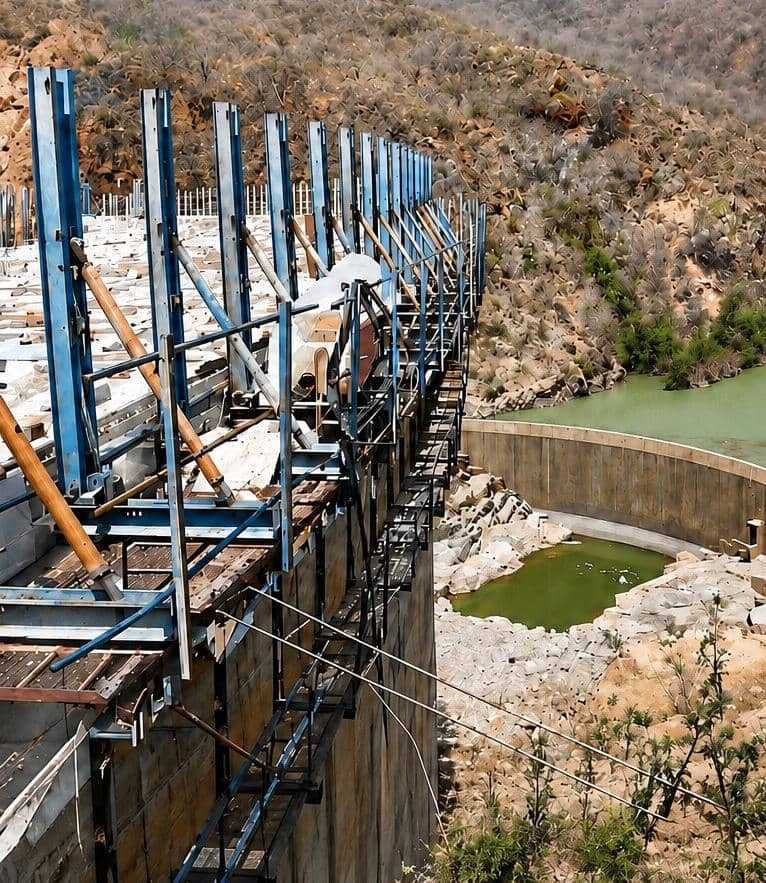
Under the framework, revenues collected from the levies are channelled into the Agricultural Revolving Fund to finance irrigation infrastructure and farmer development projects nationwide.
Government reports indicate that approximately US$5.7 million has already been raised through the levy framework, with US$3.2 million invested in irrigation development covering 850 hectares across several provinces.
Projects such as the Nyaitenga Irrigation Scheme in Mashonaland East and the Dinhe Irrigation Scheme in Masvingo are reportedly more than 90 percent complete.
Matabeleland North and South have 5 607 hectares specifically dedicated to summer and winter cereals, and this hectarage can produce 50 000 metric tonnes of cereal grains annually, enough to supply millers in the region.
Authorities say the irrigation infrastructure is central to Zimbabwe’s climate resilience strategy ahead of anticipated El Niño risks during the 2026/27 farming season.
President Emmerson Mnangagwa said the Government was implementing measures aimed at helping local manufacturers produce goods that Zimbabwe currently imports, as part of efforts to reduce import dependency and strengthen domestic industry.
Speaking at the Buy Zimbabwe Awards in 2021, he said the manufacturing sector should take advantage of Government initiatives designed to create a stable operating environment and boost local production, including policies under the National Development Strategy 1 (NDS1), the Zimbabwe National Industrial Development Policy and the National Content Strategy.
Addressing this year’s International Business Conference, held on the sidelines of the ongoing 65th Zimbabwe International Trade Fair (ZITF) in Bulawayo in April, Vice President Constantino Chiwenga said Zimbabwe’s economic transformation depends on building a strong industrial base capable of driving inclusive growth, reducing imports and increasing exports.
He said Zimbabwe must now move beyond low-value manufacturing and focus on high-value, technology-driven and knowledge-based industries as the country prepares for NDS2. Chiwenga also urged the private sector to work closely with academic and research institutions to commercialise innovation and strengthen industrial productivity.
He noted that manufacturing sector capacity utilisation had risen to more than 50 percent from 36 percent in 2019, while the Government continues pursuing policies that support import substitution, local content development and the fight against counterfeit goods.
Related Stories
Economists say the measures are consistent with global trends, where countries increasingly prioritise food security, industrialisation and the protection of strategic sectors.
In September last year, economist Dr Prosper Chitambara warned that Zimbabwe’s de-dollarisation programme would remain vulnerable without strong import substitution measures.
“The de-dollarisation roadmap should be supported by a robust import substitution framework, reducing pressure on foreign currency reserves,” he said.
“Without boosting domestic production, especially in key sectors such as agriculture, manufacturing and energy, the economy will remain exposed to foreign currency shortages.”
Investment analyst Professor Malcolm Katuruza also argued that reducing dependence on imports was critical for economic stability.
“By reducing imports of basic goods and some raw materials, the country can save foreign currency for critical investments such as modern machinery and technology,” he said.
He added that import substitution was not about shutting out foreign goods, but about building competitive local industries capable of sustaining economic growth and employment creation.
Economist Tinevimbo Shava similarly said strengthening domestic production was essential for long-term currency stability and economic resilience.
“Import substitution is not only about reducing the import bill, but also about strengthening the social contract around de-dollarisation,” he said.
Political leaders have also strongly backed the broader localisation strategy underpinning the levies.
Earlier this month, Mnangagwa said Zimbabwe was repositioning itself within global value chains as a producer of value-added goods rather than merely a supplier of raw materials.
“Zimbabwe is steadily taking its place within the global value chain space, not as a mere supplier of raw materials, but as a competitive producer of value-added goods,” the President said while addressing the 392nd Ordinary Session of the Politburo in Harare.
In April, Speaker of Parliament Jacob Mudenda warned that Zimbabwe’s escalating import bill was undermining industrial growth and national sovereignty.
“The import bill continues to exert an inexorable stranglehold on the economy, draining foreign currency and steadily corroding the very foundations upon which national prosperity must be built,” Mudenda said.
He noted that imports had surged from US$4.5 billion in 2019 to a projected US$10 billion in 2026.
“To place the figure into perspective, every single month Zimbabwe loses enough foreign currency to fund multiple major national infrastructure projects,” he said.
Mudenda said Zimbabwe risked becoming a dumping ground for foreign goods unless decisive interventions were implemented to support domestic industry and local procurement.
“This insidious practice has systematically undermined the country’s industrialisation agenda and entrenched a debilitating dependency that contradicts every foundational principle of national sovereignty,” he said.
Against this backdrop, analysts say the millers’ threat to challenge the levies in court appears increasingly isolated from the broader national policy direction.
Farmer unions and agricultural stakeholders have largely supported the measures, arguing that the levies will help guarantee local markets, stabilise producer prices and finance irrigation infrastructure critical for climate resilience.
Government officials maintain that the long-term objective is to deliberately reduce Zimbabwe’s vulnerability to drought-induced food shortages, volatile global commodity prices and persistent foreign currency pressures.
While millers argue that the levies could temporarily increase prices of some commodities, policymakers insist the broader strategic gains, including enhanced food security, irrigation expansion, rural incomes and reduced import dependence, outweigh the short-term costs.
Officials further argue that countries which achieved industrialisation and agricultural self-sufficiency historically relied on deliberate policy interventions to protect and develop local productive sectors before exposing them to unrestricted foreign competition.







Leave Comments