





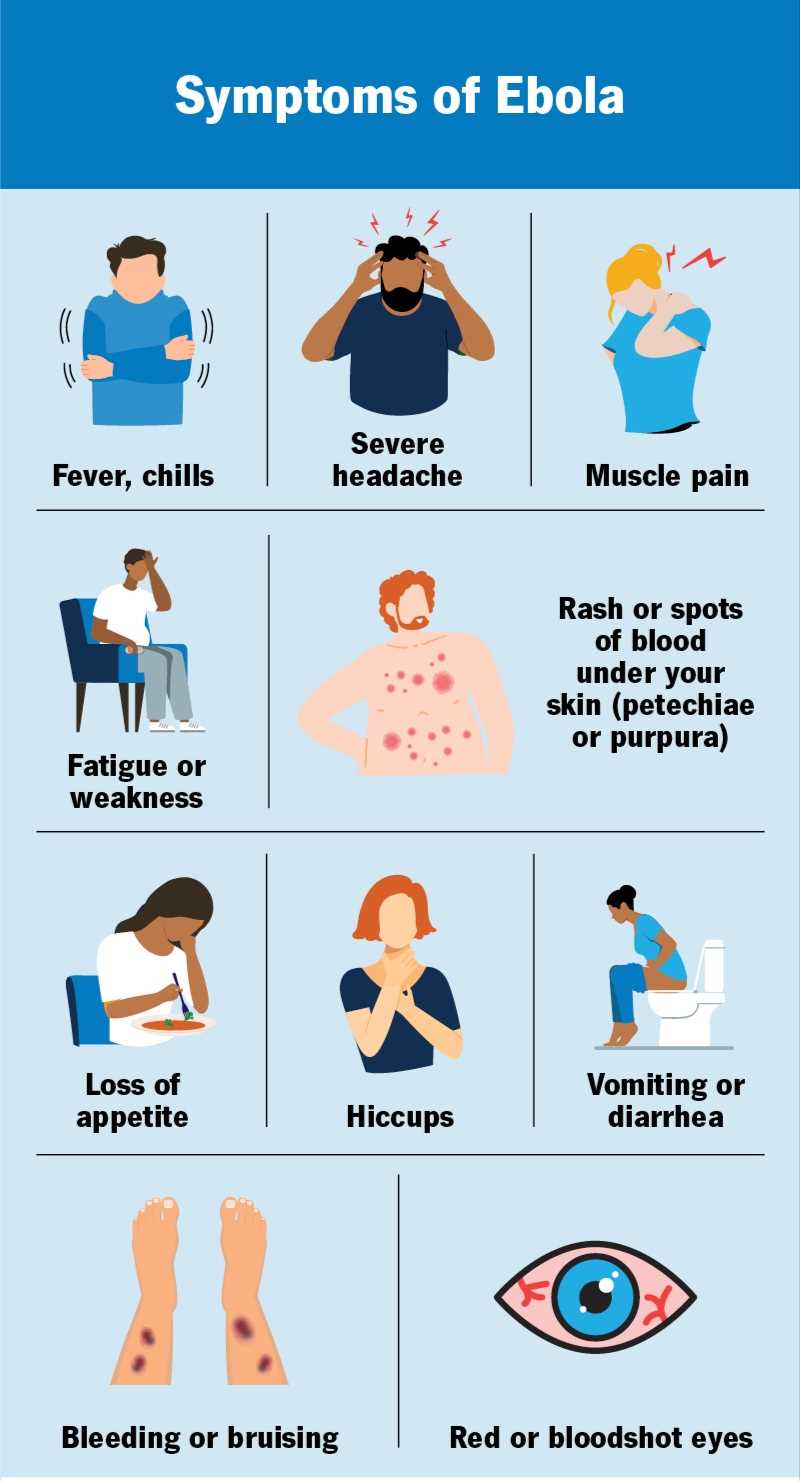
Zimbabwe has intensified nationwide Ebola preparedness and surveillance systems following the continued spread of the deadly virus in Central and East Africa, with authorities strengthening border monitoring, rapid response structures and laboratory capacity amid growing regional health concerns.
The heightened preparedness comes as the Ebola Virus Disease outbreak in the Democratic Republic of Congo continues spreading into neighbouring Uganda, increasing fears of cross-border transmission and wider regional public health risks.
Speaking on the country’s preparedness measures, Health and Child Care Minister Douglas Mombeshora said Zimbabwe was reinforcing disease surveillance and emergency response systems to support early detection and rapid containment of any possible Ebola cases.
“As of May 22, 2026, the Ebola outbreak had recorded 750 cases in the Democratic Republic of Congo and confirmed imported cases in Uganda,” said Mombeshora.
He said Zimbabwe’s vulnerability was largely linked to regional population mobility, making stronger border health security systems essential in preventing potential importation of the virus.
According to the minister, Zimbabwe already operates an Integrated Disease Surveillance and Response system supported by trained surveillance teams and weekly epidemiological reporting structures designed to monitor disease trends across the country.
Related Stories
He said preparedness systems under the Public Health Emergency Operations Centre and the Integrated Disease Surveillance and Response framework were being strengthened to improve rapid detection, coordination and outbreak containment.
“The evolving regional Ebola Virus Disease situation presents an opportunity to further strengthen surveillance, real-time alert systems and coordination mechanisms to support rapid detection and containment of outbreaks,” he said.
Mombeshora added that government had approved a provisional Ebola Virus Disease Preparedness Contingency Fund aimed at boosting national preparedness capacity.
The fund is expected to support disease surveillance systems, monitoring at ports of entry, laboratory strengthening, procurement of infection prevention materials and rapid deployment of emergency response teams.
The Ministry of Health and Child Care said preparedness efforts are also focusing on strengthening infection prevention systems, emergency coordination structures and broader public health security infrastructure nationwide.
The current Ebola outbreak in the Democratic Republic of Congo, which has extended into Uganda, was declared a Public Health Emergency of International Concern by the World Health Organization on May 17, 2026.
Zimbabwe has in recent years increased investment in disease surveillance and emergency response systems following regional outbreaks of cholera, Covid-19 and other communicable diseases that placed significant pressure on the country’s healthcare infrastructure.
Health authorities say early detection, rapid isolation and coordinated surveillance systems remain critical in preventing the spread of Ebola, one of the world’s deadliest viral diseases.








Leave Comments