






Despite maintaining one of Africa's most respected educational traditions, Zimbabwe is facing growing questions about the level of confidence parents have in public schools.
While the country continues to produce highly skilled professionals across various sectors, concerns over educational quality, equity and opportunity are prompting many families to seek alternatives, fuelling debate about how trust in the public education system can be restored.
A conversation was initiated on LinkedIn by Brett Hobson, Head of Revenue and Growth at Frampol Africa, who argued that Zimbabwe's education sector possesses many of the ingredients needed for success, including schools, teachers, classrooms and a culture that values learning.
According to Hobson, the country has produced generations of doctors, engineers, academics, entrepreneurs and business leaders through its public education system, demonstrating that Zimbabwe's education model has historically been capable of delivering quality outcomes.
However, he said confidence in public education has weakened over time, prompting many families to make significant financial sacrifices in pursuit of what they perceive to be better educational opportunities.
"The challenge is not that Zimbabwe lacks good public schools," Hobson wrote. "The challenge is that too many parents no longer feel confident that every child, in every community, has access to the same standard of opportunity."
He suggested that restoring trust in public education may require greater involvement from businesses, alumni networks and local communities through investments in infrastructure, technology, learning resources and mentorship programmes.
Hobson also proposed greater transparency in the management of education resources, including the use of public dashboards to track how funds are being spent.
Related Stories
"The goal is not to make public schools better than private schools," he said. "The goal is to make every parent confident that their local school can provide their child with a great future."
His comments generated responses from other professionals, including creative director and freelance creator Jonathan Ettrick, who agreed that confidence in the education system is a critical issue but argued that broader challenges also need attention.
Ettrick raised concerns about the rapid growth of low-cost private schools, which he said often market themselves as offering quality education at affordable rates but may struggle to deliver on those promises.
According to Ettrick, some of these institutions rely heavily on teachers who are also employed in government schools, placing additional pressure on educators and creating gaps between expectations and actual classroom outcomes.
"They lure families by promising the same standards for a fraction of the cost," Ettrick wrote. "These teachers, often overburdened, can't meet those expectations, and in the end, the child loses out."
He argued that strengthening the education sector requires more than infrastructure investment, calling for greater emphasis on accountability, teacher support and educational integrity.
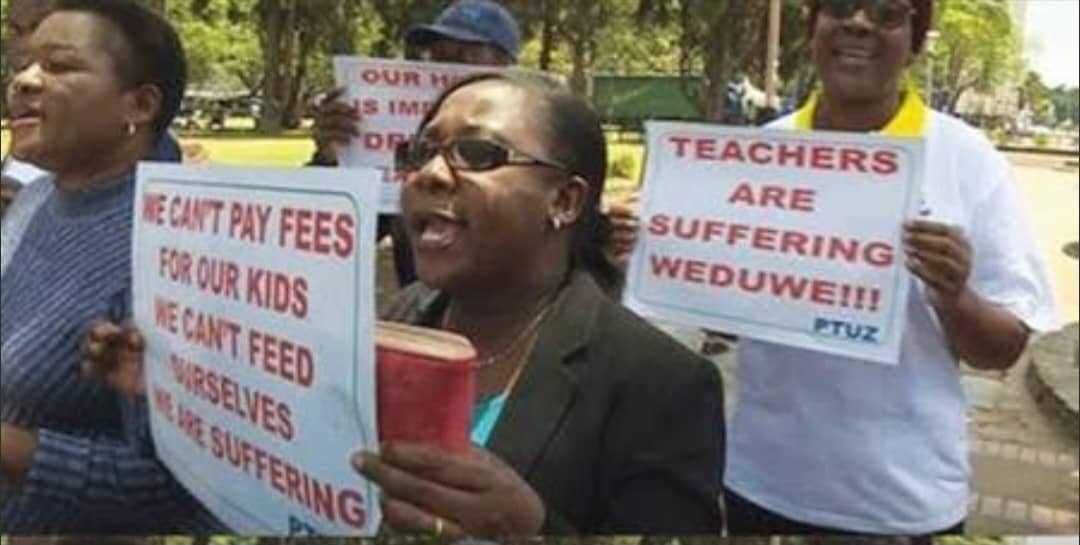
The discussion reflects wider concerns about educational quality, affordability and equity in Zimbabwe, where many households face increasing pressure to finance private schooling, extra lessons and other supplementary educational services.
Education analysts have long argued that public confidence plays a significant role in determining the success of national education systems. When parents believe local schools can provide quality outcomes, public institutions tend to attract stronger community support, investment and participation.







Leave Comments