









Zimbabwe's HIV prevention landscape is evolving, with growing demand for Lenacapavir offering new hope in efforts to reduce new HIV infections and accelerate progress towards ending AIDS as a public health threat.
Lenacapavir, a long-acting HIV prevention injection introduced in Zimbabwe in February 2026, is administered only twice a year, providing an alternative to daily oral prevention methods and potentially improving adherence among users.
Health experts say the availability of additional HIV prevention options allows individuals to choose methods that best suit their lifestyles and personal circumstances, strengthening the country's overall response to the epidemic.
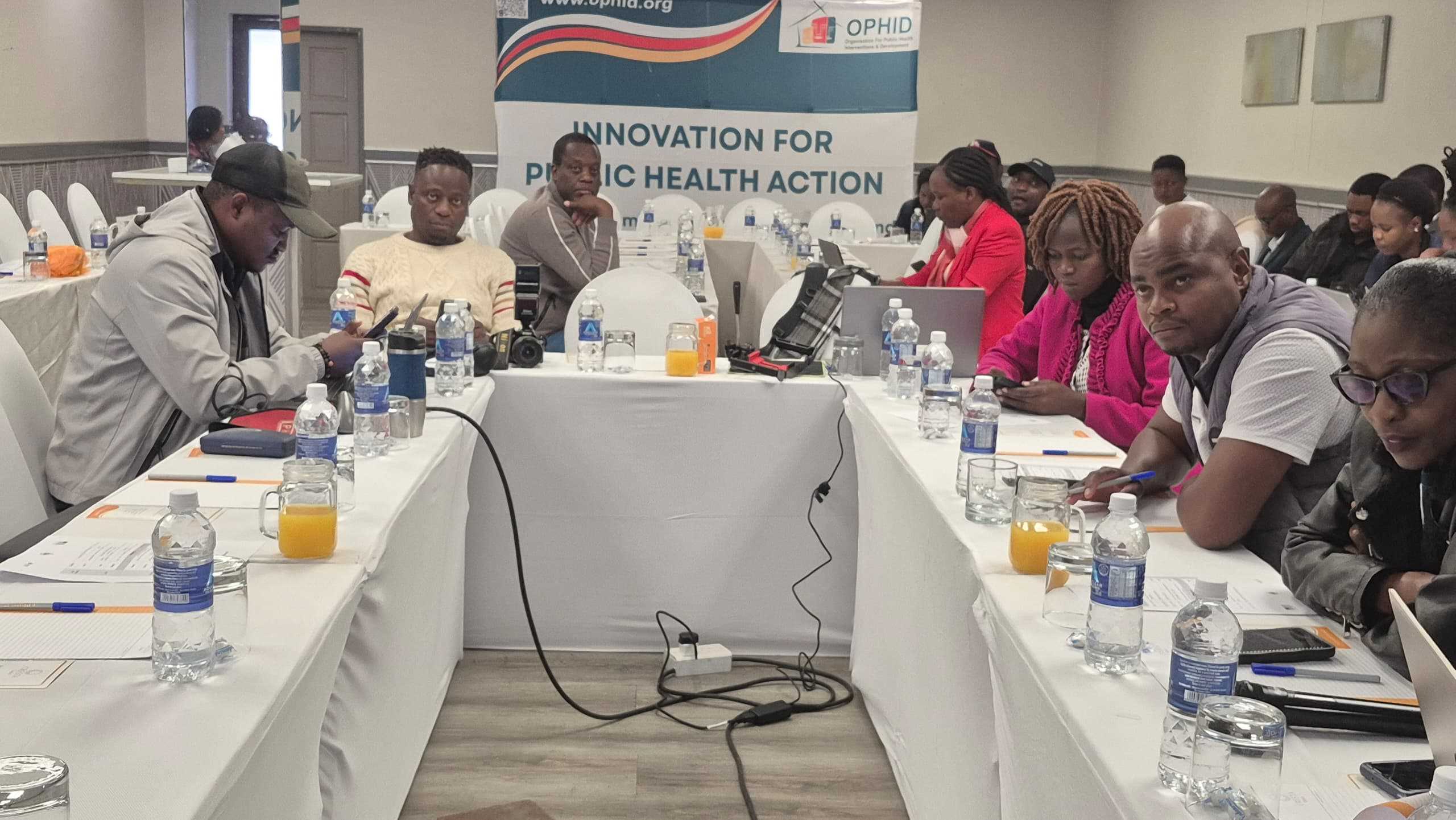
Speaking during a Ministry of Health and Child Care Lenacapavir media training workshop facilitated by OPHID and the Health Communicators Forum, with support from the United States Government, Ministry of Health HIV Prevention Officer Dr Idah Moyo said uptake of the drug has been encouraging since its rollout.
“From the experiences of both providers and clients, there is generally high uptake. People are actually interested in taking up Lenacapavir and we can see the uptake within a short space of time,” said Dr Moyo.
She revealed that women account for the majority of recipients, representing 67% of those initiated on the drug.
Related Stories
“Women account for the majority of the recipients at 67% of those initiated on the drug and had switched from oral PrEP and Cabotegravir Long-Acting Injectable PrEP,” she said.
Dr Moyo added that 1,478 clients had already been initiated on Lenacapavir, with an additional 43,000 doses expected to be added to the country's rollout programme.
OPHID Technical Director Dr Pugie Chimberengwa said there was a need for accurate public information about the new prevention option, noting that misconceptions remain widespread.
“The general misconception is that Lenacapavir is a vaccine. It is a prevention medicine and it is also not a miracle,” said Dr Chimberengwa.
“Just as people take malaria preventive medicine before travelling to a malaria-infested area, that is how Lenacapavir works,” he added.
Statistics from the Ministry of Health and Child Care show that demand for Lenacapavir is highest among adults aged between 25 and 39 years. The 30 to 34 age group accounted for the largest share of initiations at 20% (266 people), followed by those aged 35 to 39 years at 19% (248 people).
Health officials believe the growing uptake of Lenacapavir demonstrates increasing public confidence in diversified HIV prevention options and could play an important role in reducing new infections, particularly among populations at higher risk of HIV exposure.








Leave Comments