








Ariston Holdings Limited’s latest financial results have exposed the growing strain confronting Zimbabwe’s export agriculture sector, with the agro-industrial giant recording a sharp revenue decline after climate shocks, rising operating costs and weakening production disrupted key foreign currency earning crops.
The Zimbabwe Stock Exchange-listed company recorded revenue of US$5,6 million for the year ended September 30, 2025, down from US$7 million recorded in the previous year, as tea and macadamia operations long regarded as critical export earners came under severe pressure.
The financial performance reflects the broader challenges facing commercial agriculture at a time when Zimbabwe is pushing to expand exports, strengthen food security and improve foreign currency generation through high-value crops.
Latest financial statements show tea revenue plunged from US$4 million to US$2,9 million, while macadamia earnings dropped from US$2,2 million to US$1,6 million following lower production volumes caused by difficult weather conditions.
Board chairman Michael Allan Bailey said the group remained focused on stabilising operations through irrigation investments and production recovery strategies.
“The 2025/2026 agricultural season is expected to experience normal to above normal rainfall. However, the Group will continue to rely materially on its irrigation infrastructure to support production consistency,” Bailey stated.
He said improving international demand for macadamia nuts could provide critical relief for export earnings in the coming season.
“Indicative macadamia export prices for the 2025/2026 season are higher than those achieved in the year under review, and there is increasing interest from buyers seeking to secure offtake arrangements ahead of the season,” he said.
Group chief executive officer Leon Wilhelm Nortier said the company was intensifying operational reforms aimed at restoring profitability and protecting long-term shareholder value.
“The Group will continue to focus on production efficiencies, cost containment and quality improvements to support operational recovery and enhance shareholder value,” Nortier stated.
Related Stories
Tea production volumes fell 51 percent to 1 487 tonnes from 3 070 tonnes previously after heat stress, delayed rains and adverse climatic conditions disrupted output across estates.
Macadamia production also declined 22 percent to 1 090 tonnes, although export price recovery is expected to improve earnings prospects going forward.
The group said the operating environment remained difficult throughout the year due to rising fertiliser and electricity costs, persistent power shortages and constrained Zimbabwe Gold liquidity.
Ariston’s total borrowings climbed to more than US$11 million from US$9,2 million previously, while finance costs surged 46 percent during the reporting period.
Despite the pressure, the company narrowed its loss before tax to US$3,3 million from US$4,4 million previously after implementing tighter cost management measures.
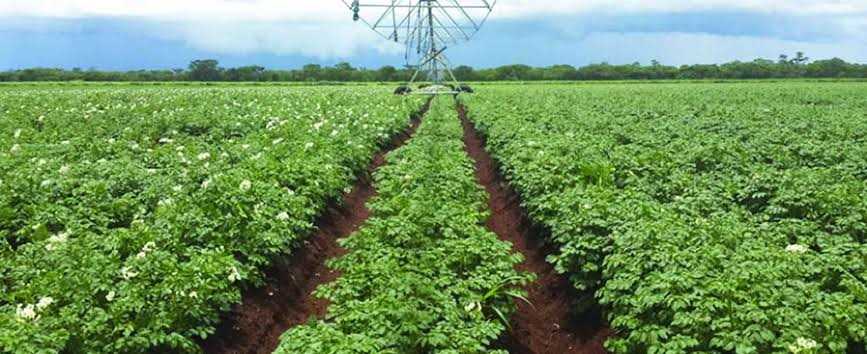
In response to increasing climate volatility, Ariston expanded irrigation systems across Southdown, Kent, Roscommon and Clearwater estates while investing in additional water storage infrastructure to stabilise production.
The company is also accelerating solar energy investments to reduce dependence on diesel-powered backup systems and cushion operations from Zimbabwe’s electricity challenges.
Ariston is further pursuing value addition initiatives through local macadamia processing and tea packaging operations as it seeks to improve export competitiveness and unlock higher earnings from international markets.
Southdown Estate remained the company’s biggest revenue contributor after generating US$4,7 million during the year, while Kent Estate contributed US$879 753.
The agro-industrial group employs close to 1 000 workers, including seasonal staff, and continues supporting schools, clinics and healthcare services within surrounding farming communities.
Ariston also reshaped its board during the year with the appointment of Michael Allan Bailey as chairman alongside new directors Charity J. Murandu, Tendai Mupfumira and Josephine Takundwa as the company positions itself for long-term recovery and export growth.







Leave Comments