





Zimbabwe is accelerating its winter wheat production programme as government intensifies efforts to secure national grain supplies and shield the country from looming climate pressures linked to a possible El Niño season.
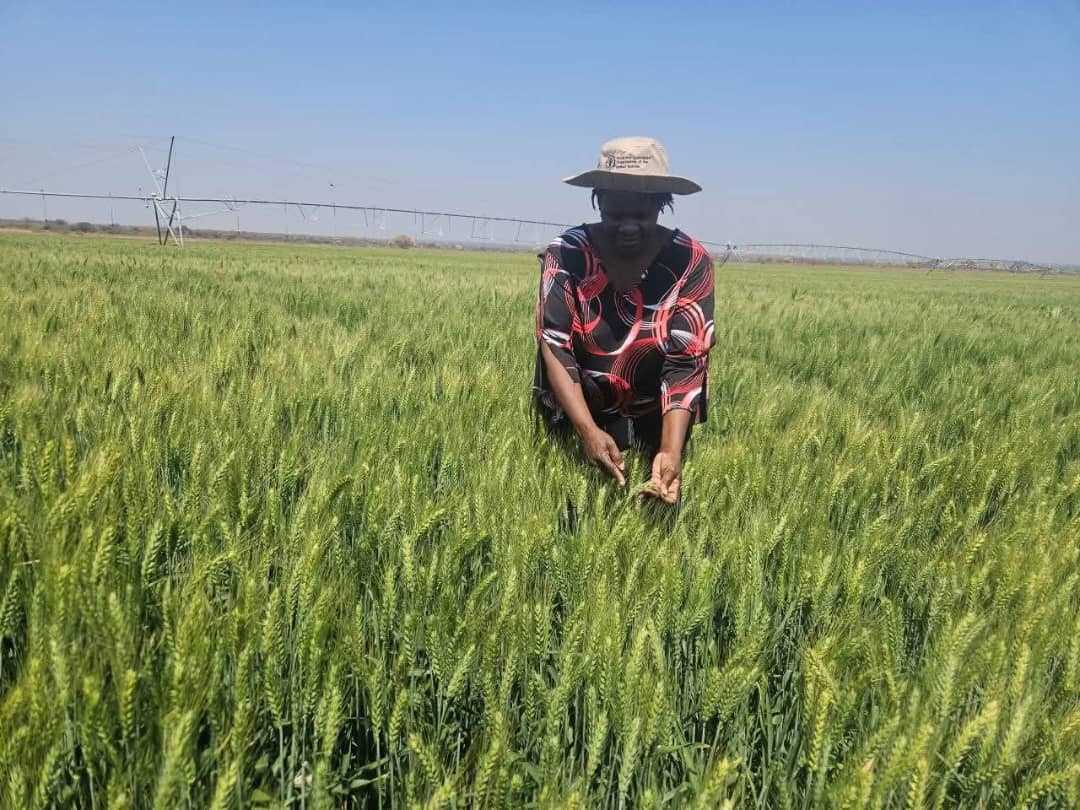
With more than 50,000 hectares already planted nationwide, authorities are now pushing toward a national target of 125,000 hectares under wheat, as irrigation-driven farming takes centre stage in the country’s food security strategy.
Permanent Secretary for Agriculture, Mechanisation and Water Resources Development, Obert Jiri, said winter wheat production has become a critical pillar for sustaining grain reserves, stabilising food supplies and strengthening agricultural resilience.
Jiri said Zimbabwe is building on the success of the previous season, when more than 120,000 hectares were planted under wheat, helping to cushion the country against difficult climatic conditions and support national grain stability.
He said government is intensifying support mechanisms to ensure farmers maximise production ahead of the May 31 planting deadline.
Related Stories
Jiri urged farmers to fully utilise all irrigable land while assuring continued support through fertiliser assistance, electricity supply and monitored diesel allocations aimed at sustaining uninterrupted winter cropping operations.
The aggressive wheat push reflects Zimbabwe’s growing shift toward irrigation-based agriculture as authorities move to reduce vulnerability to droughts, erratic rainfall patterns and other climate-related production shocks.
The Ministry of Agriculture said winter wheat is increasingly becoming one of the country’s most strategic crops, as Zimbabwe seeks to maintain self-sufficiency, reduce grain imports and strengthen broader economic stability.
At Longlands Farm in Marondera District, owned by Russell Stockhill, 20 hectares of winter wheat have already germinated successfully, reflecting rising confidence and growing momentum within the national winter cropping programme.
The expanding wheat programme is also expected to stimulate activity across key agricultural value chains, including seed production, fertiliser distribution, fuel supply and mechanised irrigation systems.
As climate uncertainty continues to threaten regional food production, Zimbabwe’s winter wheat campaign is emerging as a major buffer for food security and economic stability, designed to protect grain reserves and sustain agricultural productivity throughout the year.







Leave Comments