





Zimbabwe’s government is intensifying efforts to align youth empowerment policies with international development support as authorities confront rising pressure to address unemployment, skills gaps, drug abuse, and economic exclusion among young people.
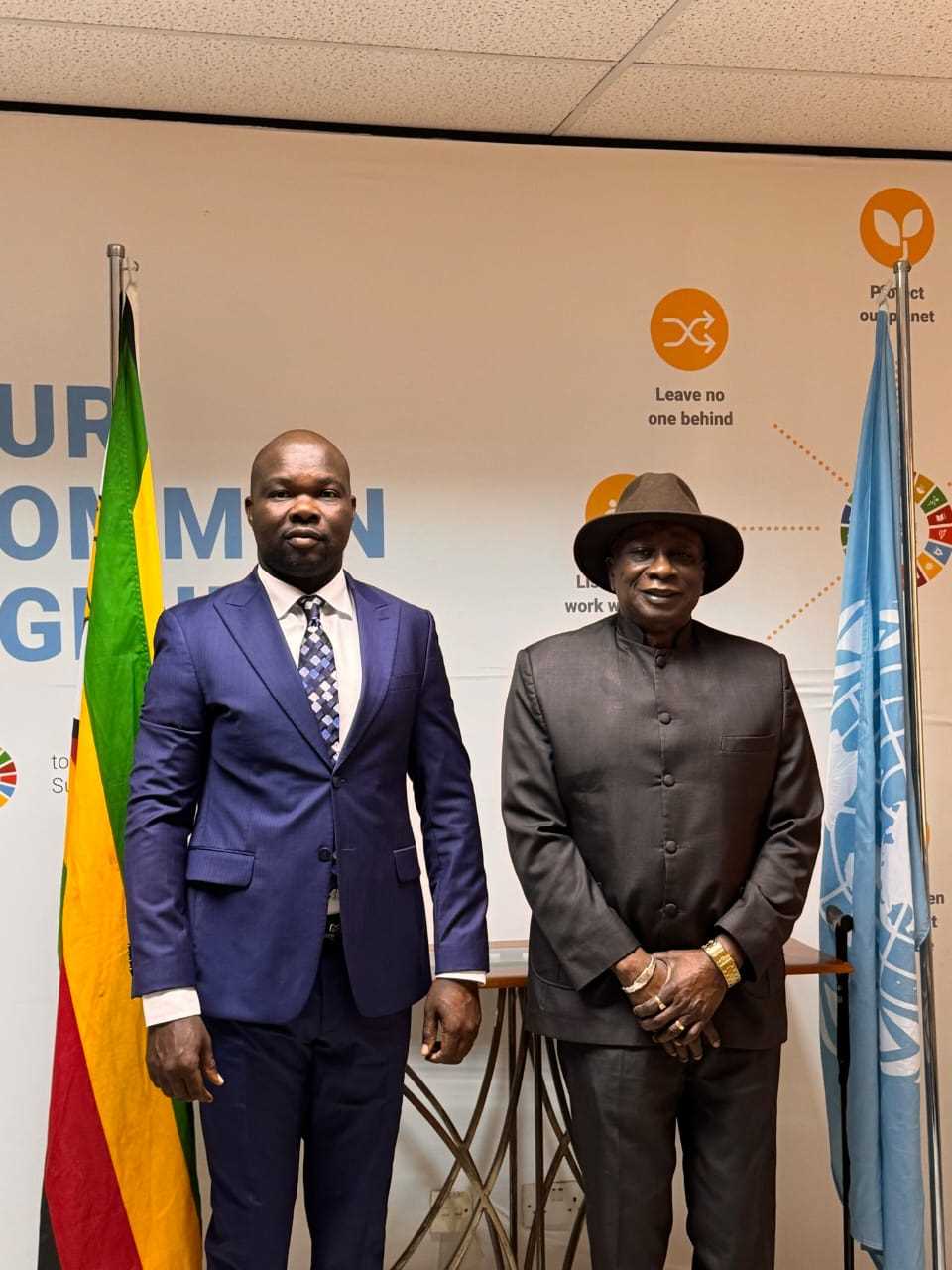
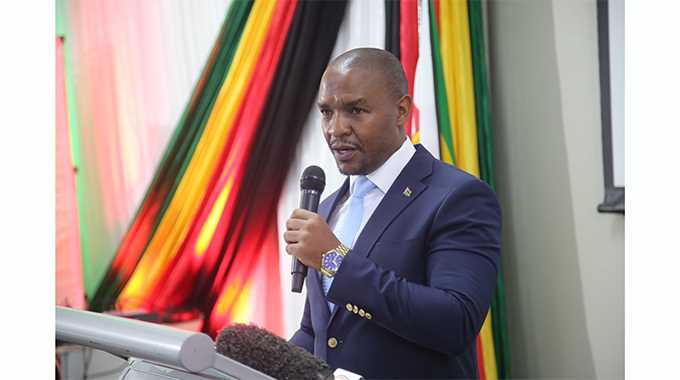
The latest engagement between Youth Minister Tinoda Machakaire and senior United Nations officials reflects growing recognition that Zimbabwe’s demographic pressures are increasingly becoming both an economic and social stability issue. The meeting brought together the minister, Edward Kallon, and Miranda Tabifor to discuss coordinated support under the National Youth Empowerment Strategy 2026–2030.
According to United Nations Population Fund Zimbabwe, the discussions focused on “coordinated UN support and strengthening partnerships for Zimbabwe’s youth” under the new strategy framework.
Priority areas identified included digital skills development, technical and vocational education and training, economic empowerment, mental health support, drug prevention, and governance participation. The UN said it had “reaffirmed its commitment to supporting youth-led development through coordinated partnerships aligned to Zimbabwe’s Vision 2030, NDS2 and the forthcoming UN Cooperation Framework (2027–2031).”
The engagement comes at a time when Zimbabwe is facing mounting youth-related pressures driven by high unemployment, informality, and limited industrial expansion. Young people make up a significant share of the country’s population, yet formal employment opportunities remain constrained, pushing many into precarious informal work, migration, or survivalist economic activities.
Related Stories
This has elevated youth policy from a social development issue into a broader economic and governance concern. Rising substance abuse, mental health challenges, and growing frustration around economic exclusion have increasingly become visible across urban and peri-urban communities, particularly among unemployed young people.
The government’s emphasis on digital skills and TVET reflects an attempt to reposition youth policy toward employability and entrepreneurship rather than traditional state-led job creation, which remains limited under current economic conditions.
At the same time, the growing role of the United Nations in supporting youth programmes highlights the extent to which social sector interventions in Zimbabwe remain reliant on development partner financing and technical support. While coordinated frameworks provide policy direction, implementation has historically been constrained by funding gaps and weak institutional capacity.
The inclusion of mental health and drug prevention within the strategy is also significant, signalling official recognition of worsening social pressures affecting young people. Drug and substance abuse has emerged as a major public concern in recent years, with authorities increasingly linking it to unemployment, social dislocation, and limited economic prospects.
Yet despite repeated empowerment initiatives over the years, Zimbabwe’s youth sector continues to face structural obstacles, including limited access to capital, weak industrial growth, and policy inconsistency. This has often created a disconnect between empowerment rhetoric and lived economic realities on the ground.






Leave Comments