







Zimbabwe is intensifying its bid to join the BRICS bloc as Finance Minister Mthuli Ncube participates in the 11th Annual Meeting of the New Development Bank in Moscow, where discussions are centering on development financing, energy security and emerging technologies.
The meetings are being held under the theme “Development Financing in an Era of Technological Revolution” and come as Zimbabwe seeks alternative sources of capital amid prolonged constraints in accessing financing from Western financial institutions.
Zimbabwe formally submitted its BRICS membership application on March 7, 2025, under the Government’s broader engagement and re-engagement strategy. Authorities say membership would expand access to infrastructure financing, strengthen trade and investment ties with Global South economies and support industrialisation goals under the National Development Strategy 2.
In a statement, the Ministry of Finance said participation in the New Development Bank meetings was part of efforts to “follow up on its membership application, which paves the way to access alternative development financing for infrastructure, energy and industrial projects that are central to closing the country’s infrastructure gap.”
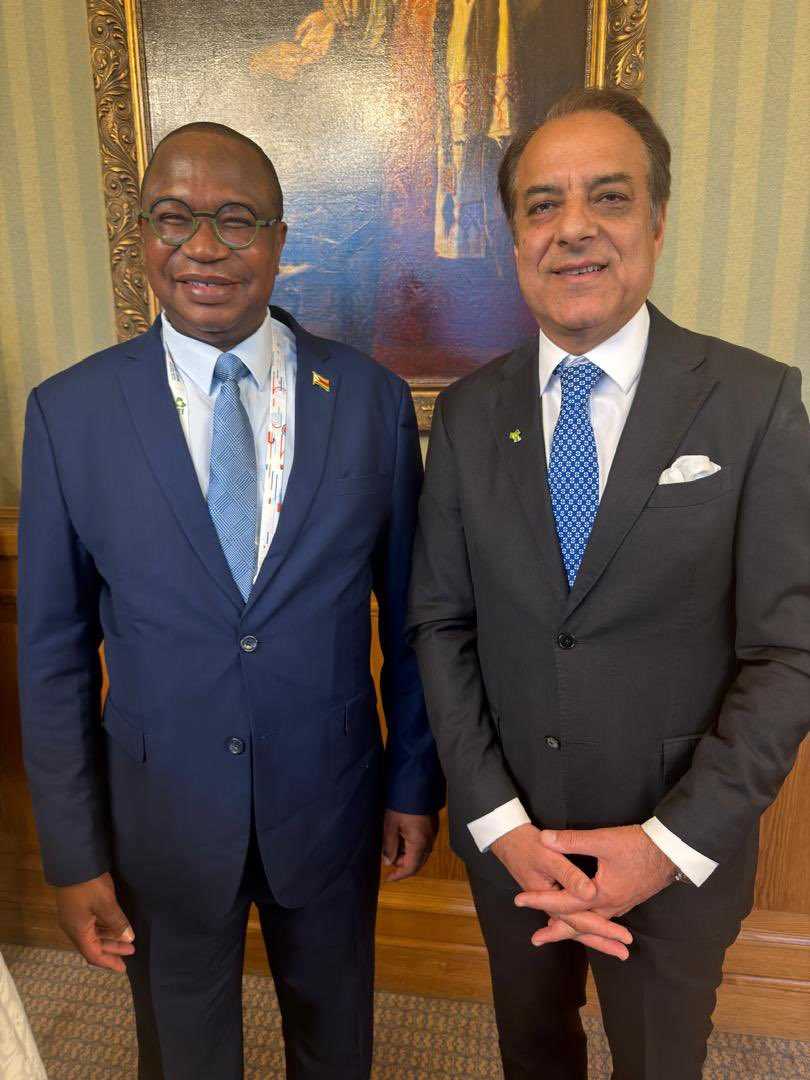
On the sidelines of the summit, Ncube held strategic engagements with Russian Deputy Finance Minister Ivan Chebeskov and several institutions on cooperation in nuclear energy, infrastructure financing, financial markets and alternative payment systems.
Related Stories
The discussions also involved Russian state nuclear corporation Rosatom, with talks focusing on scalable energy systems, including modular nuclear technologies aimed at strengthening Zimbabwe’s long-term energy security.
Zimbabwe has increasingly positioned energy infrastructure as central to its industrialisation agenda, with recurring electricity shortages continuing to affect mining, manufacturing and digital sector expansion.
During an interview with the New Development Bank Press Department, Ncube outlined Zimbabwe’s evolving infrastructure priorities, including plans for AI-ready economic zones supported by data centre infrastructure, renewable energy investments and captive power systems designed to support digital industrial growth.
“He further emphasized that emerging technologies, including AI, are reshaping how infrastructure is designed, operated and monetised, including more efficient, automated systems for public service delivery and revenue collection,” the Ministry said.
Government argues that closer alignment with BRICS economies could unlock technology transfer, South-South cooperation and new financing mechanisms in sectors such as agriculture, transport, digital systems and energy.







Leave Comments