






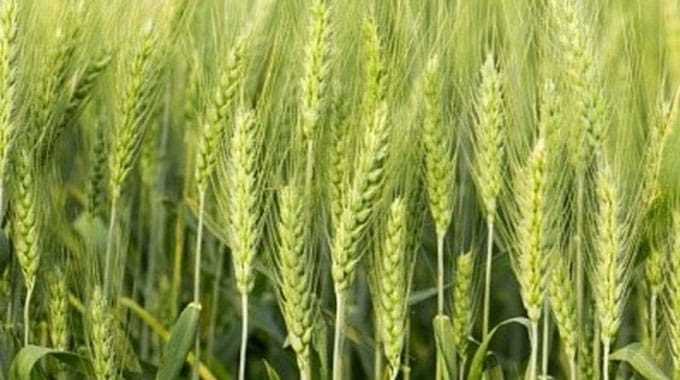
Zimbabwe’s winter wheat season has launched under a wave of high expectations, bolstered by a national water reserve that has reached levels rarely seen in recent history. The Ministry of Agriculture has officially opened the May planting window with an ambitious target of 125,000 hectares, a move that reinforces the government’s long-term strategy to achieve total cereal self-sufficiency and eliminate the country’s dependence on costly imports.
Permanent Secretary Obert Jiri confirmed that the planting cycle is currently in full swing, noting that the government anticipates a high-performing season that will stabilize national food security. This optimism is backed by data from the Zimbabwe National Water Authority, which reveals that major dams are averaging an impressive 93.2% capacity. This hydrological surplus provides a vital safety net for the country’s wheat crop, which is almost entirely dependent on irrigation, effectively removing the immediate threat of water scarcity that has derailed previous agricultural cycles.
Related Stories
However, the success of the 2026 harvest remains tethered to complex structural challenges that water abundance alone cannot solve. While the expansion of hectarage is a significant policy victory, the sector’s heavy reliance on state-funded input schemes and electricity subsidies raises persistent questions regarding fiscal sustainability. Producers also remain vulnerable to external economic pressures, as essential inputs like fertilizer and fuel are largely imported and priced in foreign currency, leaving farmers exposed to liquidity crunches and exchange rate fluctuations.
Beyond financial hurdles, the reliability of the national power grid stands as a critical variable for the month ahead. Since irrigation systems require consistent energy to maintain precise moisture levels, any return to significant load shedding could undermine the gains made by favorable weather.








Leave Comments