







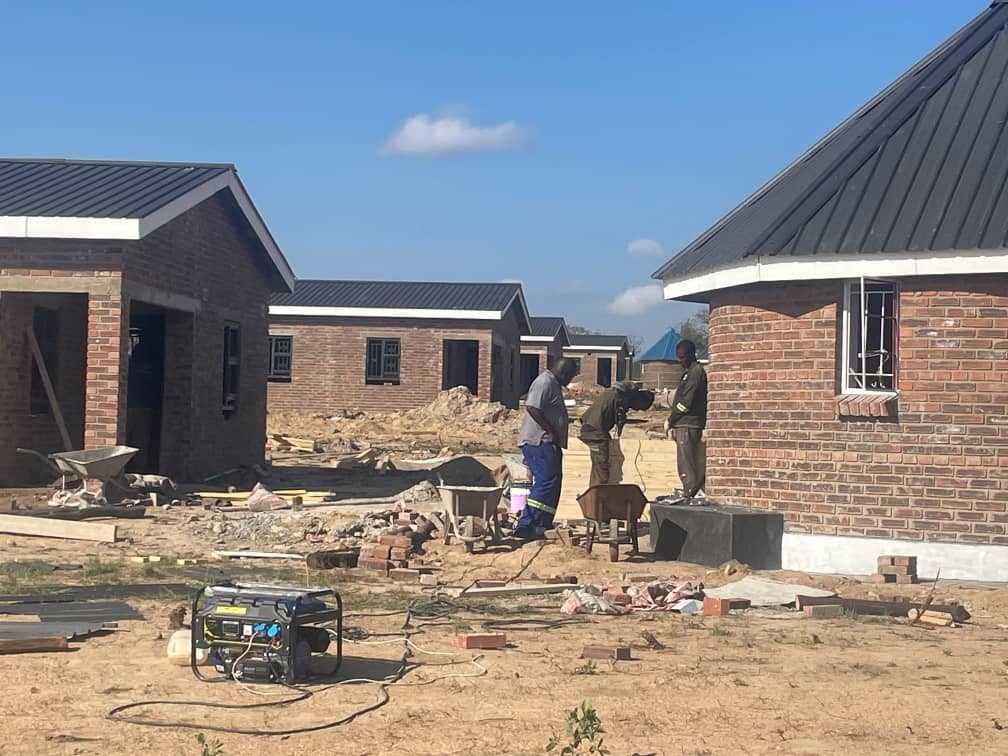
Zimbabwe is expanding climate-resilient social infrastructure in vulnerable communities, with recent upgrades in Victoria Falls targeting schools and health facilities as part of efforts to strengthen adaptation to climate shocks. The intervention reflects a growing shift toward integrating climate resilience into basic service delivery, particularly in regions exposed to extreme weather patterns and water stress.
Since October 2025, three schools have been upgraded and one clinic renovated under a partnership between UNICEF Zimbabwe and Wild Horizons, benefiting 1,009 students and 22 staff members. The relatively small scale of the intervention highlights both the targeted nature of the programme and the broader gap in climate-resilient infrastructure across the country, where thousands of schools and clinics remain vulnerable to flooding, heat stress, and water shortages.
UNICEF Zimbabwe said the initiative has focused on delivering “climate-smart infrastructure in Victoria Falls,” pointing to a model that combines education, health, and environmental resilience within a single intervention framework.
Such approaches are increasingly critical as Zimbabwe faces rising climate-related risks, including more frequent droughts and extreme weather events that disrupt schooling and healthcare delivery.
Related Stories
Nationally, over 70 percent of rural schools lack adequate climate-resilient infrastructure, while health facilities in remote areas often struggle with unreliable water and energy supply. This exposes communities to service disruptions, particularly during climate shocks, and undermines long-term development outcomes.
While the Victoria Falls upgrades provide a replicable model, scaling remains a key constraint.
Climate adaptation financing in Zimbabwe is estimated to require over US$1 billion annually, yet current funding levels fall significantly short, with most projects reliant on donor partnerships.
Expanding similar interventions nationwide would require sustained investment, stronger public-private collaboration, and integration into national infrastructure planning.








Leave Comments