







Zimbabwe is intensifying efforts to build financial resilience against climate shocks, as authorities move to institutionalise disaster risk financing frameworks aimed at reducing the economic and social costs of recurring crises. The strategy marks a shift from reactive emergency responses toward pre-arranged financing mechanisms designed to ensure faster and more predictable funding during disasters.
The Ministry of Finance and Economic Development said the approach is part of a broader push to strengthen national resilience, noting that government is prioritising “disaster risk financing to protect citizens and the economy from shocks,” while advancing toward a more climate-resilient development model.
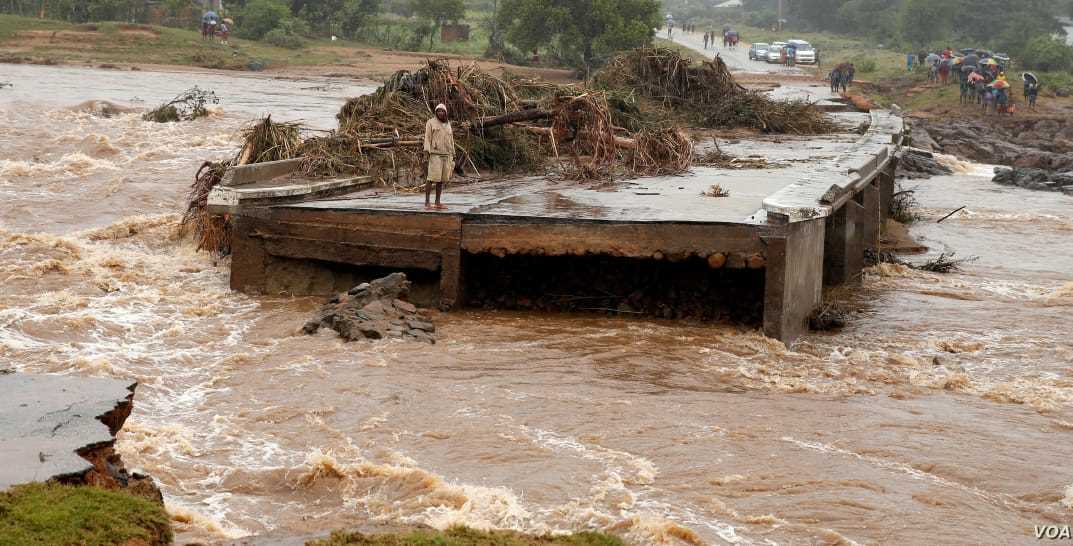
Zimbabwe’s exposure to climate risks, including droughts, floods, and cyclones—has intensified in recent years, with extreme weather events estimated to cost the country 2–5 percent of GDP annually in losses and recovery expenses. The 2019 Cyclone Idai disaster alone caused damages exceeding US$600 million, highlighting the fiscal strain of relying on post-disaster funding.
In response, government is working with partners including the African Development Bank, World Food Programme, and African Risk Capacity to scale up risk financing instruments such as sovereign insurance and contingency funding mechanisms. The Ministry said collaboration with partners is helping “scale up the ARC programme,” providing access to insurance-based solutions that can trigger rapid payouts during climate shocks.
Related Stories
A key component of the strategy involves strengthening institutional coordination, particularly through engagement with Parliamentary and Senate Committees to build policy support for disaster risk financing. The Ministry emphasised that improving legislative understanding is critical to creating “a policy environment that prioritises proactive response over reactive recovery,” reflecting a shift in how disaster management is financed and governed.
Zimbabwe’s current disaster response framework has been heavily reliant on ad hoc budget reallocations and donor support, often resulting in delayed interventions and increased vulnerability for affected communities. By contrast, pre-arranged financing tools, such as contingency funds and parametric insurance—can reduce response times from months to weeks, improving the effectiveness of relief efforts.
The transition toward risk financing aligns with the National Development Strategy 2, which prioritises climate resilience and economic stability.
Government indicated it is “transitioning from crisis response to risk management by institutionalising financing tools,” aimed at ensuring rapid access to funding, safeguarding livelihoods, and reducing long-term fiscal shocks.







Leave Comments