







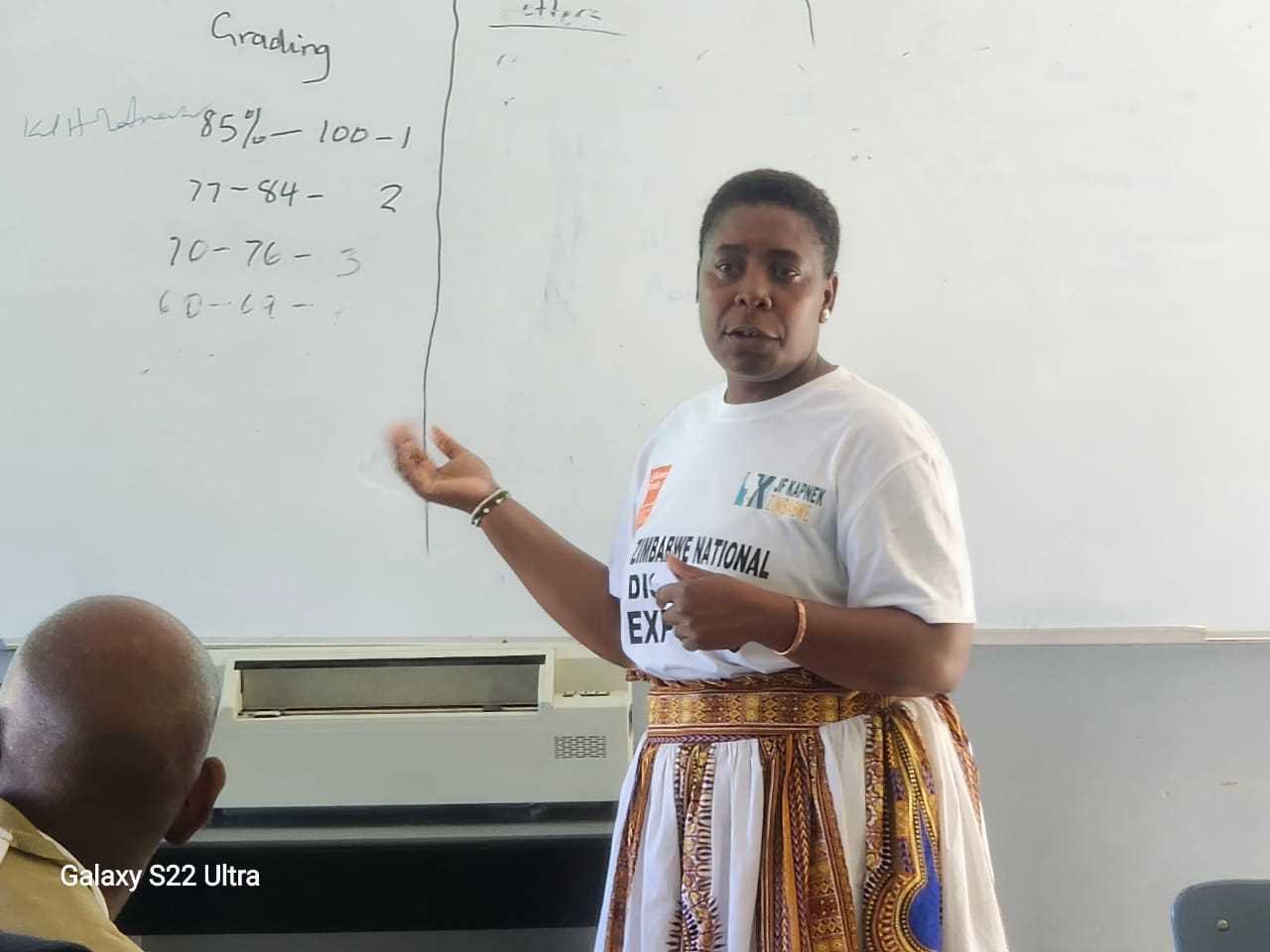
Zimbabwe has initiated a field assessment of its Community-Based Rehabilitation programme, as authorities seek to evaluate the effectiveness of disability support services and identify scalable models for broader national rollout.
The exercise, currently underway in Masvingo, reflects growing pressure to improve inclusion and service delivery for persons with disabilities within constrained social protection systems.
The visit, conducted at Capota School for the Blind, brings together government officials, implementing partners, and members of the National Disability Steering Committee to assess how current interventions align with national priorities. The Ministry of Public Service, Labour and Social Welfare said the mission is focused on “reviewing implementation strategies” and identifying “successful inclusive approaches to be scaled up,” signaling a shift toward evidence-based expansion of disability programmes.
Zimbabwe’s disability sector remains under-resourced, with estimates suggesting that around 7–10 percent of the population lives with some form of disability, yet access to rehabilitation services, assistive devices, and inclusive education remains limited, particularly in rural districts. Community-based rehabilitation has been promoted as a cost-effective model to bridge these gaps by decentralising services and leveraging local structures.
Related Stories
However, implementation challenges persist. Many CBR programmes face funding constraints, limited trained personnel, and weak coordination between government departments and non-state actors. Service delivery often varies significantly across districts, raising concerns about equity and consistency in access to support.
The Ministry noted that the field visit also aims to strengthen collaboration, highlighting the importance of “dialogue between the National Disability Steering Committee and implementing partners to address challenges and strengthen strategic collaboration.” This reflects a broader recognition that fragmented service delivery has limited the impact of disability programmes.
While partnerships with organisations such as the Jairos Jiri Foundation have played a critical role in expanding reach, Zimbabwe’s social protection budget remains stretched, with competing demands from health, education, and poverty alleviation programmes. As a result, scaling up successful models will require sustained financing and stronger institutional coordination.
The current review signals an attempt to move beyond pilot interventions toward a more structured, nationwide approach to disability inclusion.







Leave Comments