






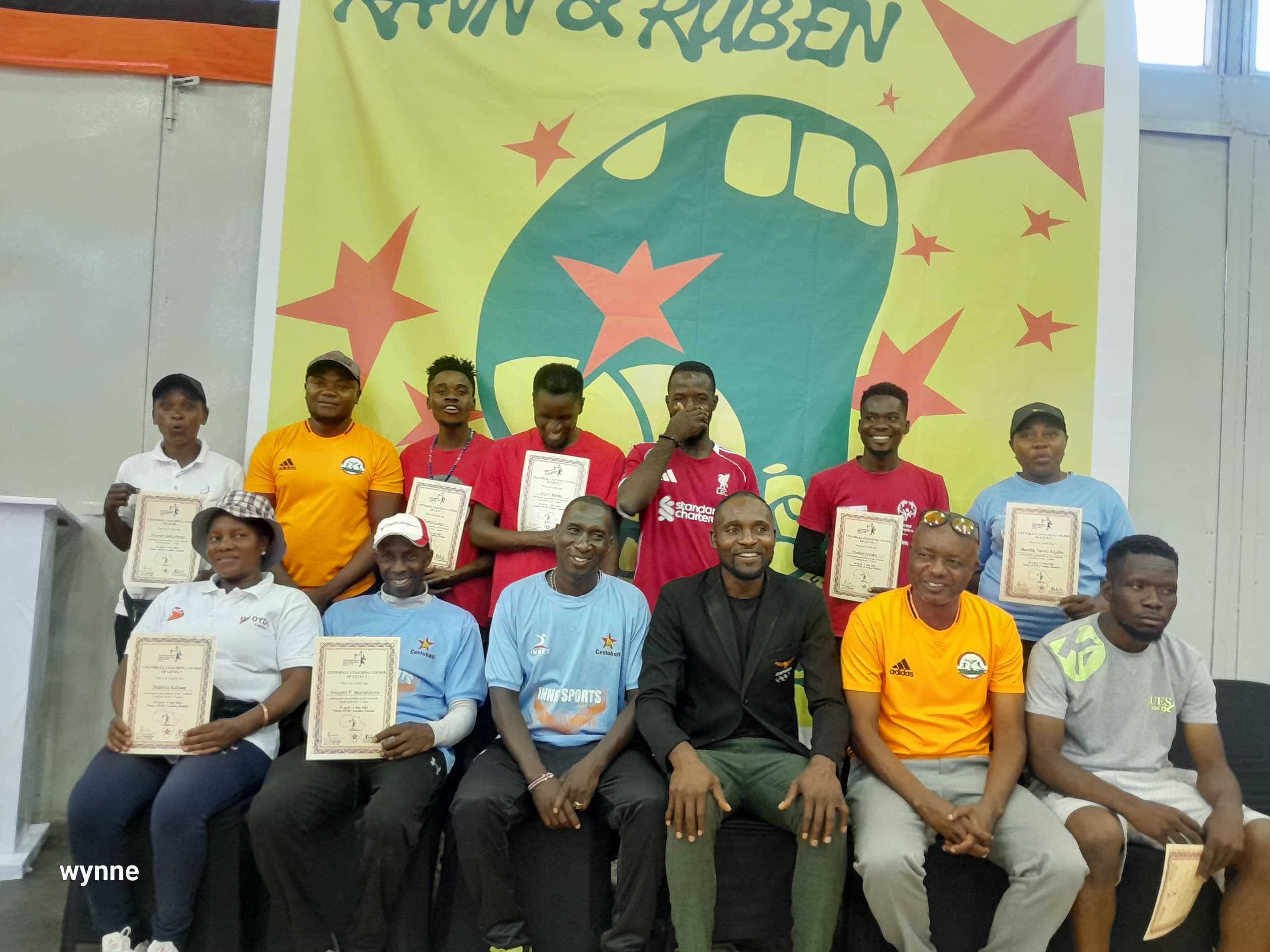
LUSAKA, Zambia — The Confederation of African Cestoball Association has intensified efforts to expand cestoball across Southern Africa after hosting a Level One coaching clinic in Lusaka from April 27 to 29 at the OYDC, training 30 participants as part of a regional development drive.
The initiative, spearheaded by CAFCA founding president Amon Madzwamuse, represents a deliberate push to establish structured growth of the sport within Region 5 through skills development and grassroots participation.
In an interview with Zim Now, Madzwamuse outlined CAFCA’s ambitious vision for the continent.
“We want to spread like veld fire,” he said, highlighting the urgency behind the organisation’s expansion strategy. He explained that the programme intentionally targeted schoolteachers and sports administrators to ensure sustainable growth.
“This allows us to capture a qualified database in Zambia and build the sport from the grassroots,” he said.
The clinic attracted 30 participants, including five delegates from Zimbabwe, signalling increasing regional interest in cestoball.
Training sessions were conducted by CAFCA instructors Daniel Mutandwa and Vincent Marukutira of Zimbabwe, who guided participants through coaching fundamentals, officiating standards, and game management. Beyond technical instruction, the programme sought to standardise coaching practices ahead of a planned club tournament set to be hosted in Zambia.
Speaking during the certification ceremony, Marukutira challenged newly qualified coaches to take an active role in promoting the sport.
Related Stories
“To our certified coaches, congratulations. Certificates are not meant to be kept — go out there and spread the game,” he said, while also acknowledging Madzwamuse’s pioneering role in introducing cestoball to Africa.
Zambia Cestoball president Richard Mulenga described participants as pioneers tasked with transforming the sport from concept into reality.
“You are the ones who will take the sport into every school, every community, and every corner of the country,” Mulenga said.
He emphasised that the significance of the training extended beyond certification.
“A certificate is symbolic, but what you carry from this course is far greater — the knowledge to teach, the passion to inspire, and the responsibility to build something that will outlive us,” he said.
Mulenga also cautioned that introducing a new sport inevitably comes with scepticism, urging participants to remain resilient as they champion its growth across Zambia.
The Lusaka clinic marks more than a training exercise; it signals the beginning of a structured effort to integrate cestoball into Zambia’s sporting ecosystem. With trained coaches now equipped to disseminate knowledge at community and school level, and with regional collaboration already taking shape, foundations for sustained expansion have been firmly established.
As CAFCA advances its continental agenda, cestoball is steadily transitioning from an emerging discipline into a growing African movement poised to gain traction across schools, communities, and national sporting structures.








Leave Comments