






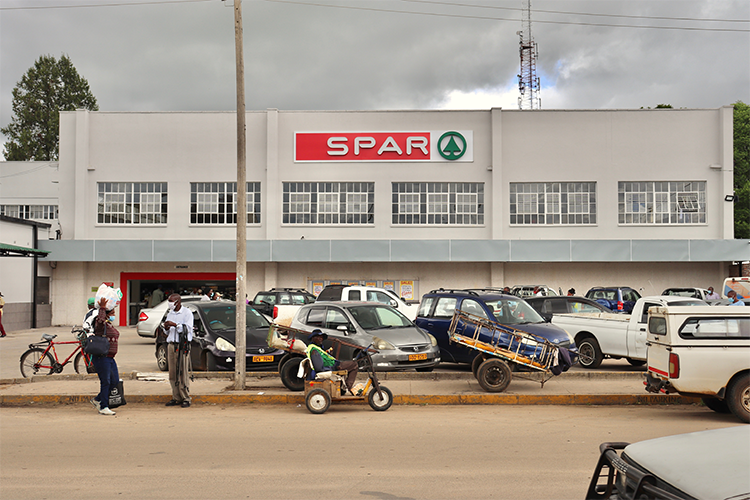
SPAR Zimbabwe has been singled out by the Progressive Retail and Wholesale Workers Union of Zimbabwe in a Workers’ Day broadside that combined sharp criticism of labour practices in some outlets with a renewed push for a standalone wage bargaining body for the retail and wholesale sector.
“We are witnessing the systematic erosion of worker dignity,” said union general secretary Phillip Mafundu. He said grievances raised by workers include short-term contract insecurity, alleged denial of some workplace benefits linked to union activity, wages failing to keep pace with living costs, and what he described as growing casualisation that leaves many workers in a state of permanent probation.
The union said workers in some SPAR outlets were facing “union busting, intimidation and victimisation”, while arguing the deeper issue goes beyond one employer to the structure governing labour relations across the sector.
Mafundu said those pressures were one reason the union was pushing for a dedicated National Employment Council for retail and wholesale workers, separate from the broader commercial sectors council.
“We have taken the initiative as a trade union to apply to the Ministry of Labour for the registration of a dedicated National Employment Council for the Retail and Wholesale Sector,” he said, arguing retail now faces sector-specific challenges requiring its own bargaining framework.
Related Stories
The union says a separate council could improve negotiations around wages and conditions in a sector it argues has been overshadowed within the broader NEC Commercial structure.
SPAR’s mention may also raise debate over accountability in franchise systems, as many outlets operate under owner-managed franchise arrangements rather than as a single centrally run employer.
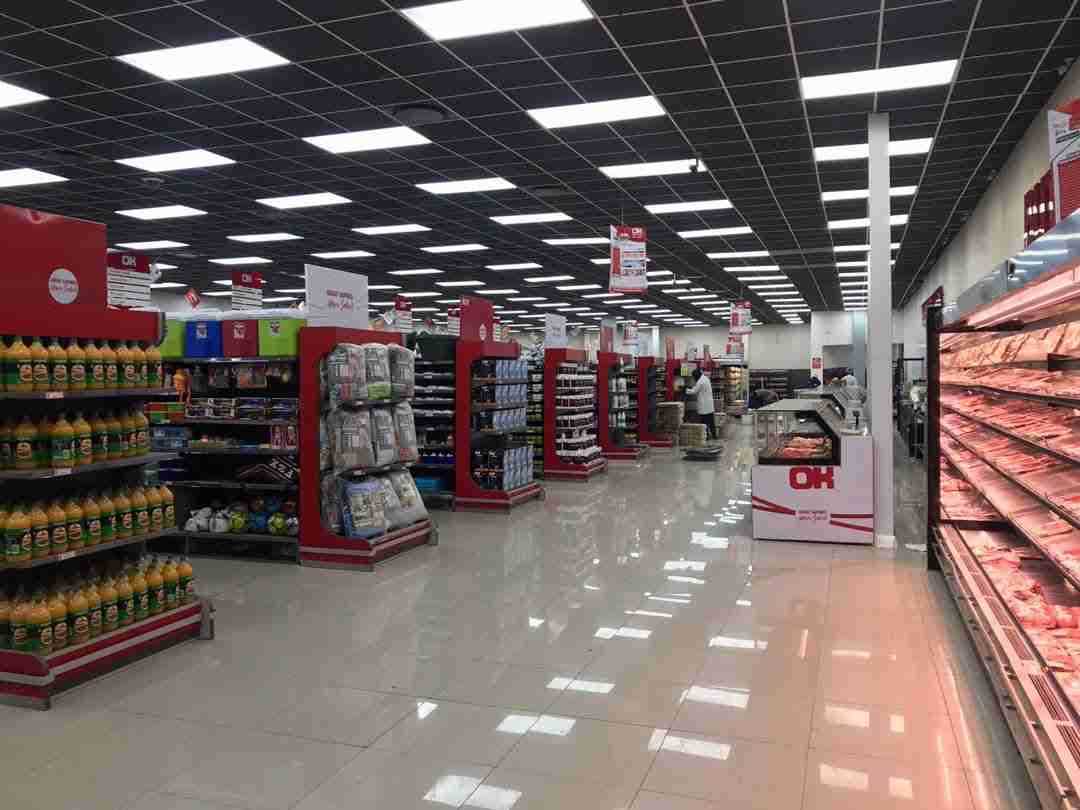
The intervention comes as Zimbabwe’s formal retail sector itself faces mounting strain. Established chains have been contending with subdued demand, exchange-rate distortions, competition from informal traders and small shops, and the impact of smuggled goods. In recent years the pressure has shown in outlet closures at OK Zimbabwe, Food World reducing its footprint, Food Lovers Market consolidating to one branch, and Pick n Pay battling to maintain ground.
That wider stress gives the union’s NEC push broader significance, framing it not only as a labor demand but as part of a larger debate over how formal retail adapts to survive while sustaining viable employment.








Leave Comments