






The distributor of Nivea products in Zimbabwe says it is escalating growing consumer complaints to the highest levels of the brand’s global structure, even as local consumer protection authorities remain silent.
“We will consult the Nivea CEO and the Beiersdorf Brand Protection Unit on the allegations made by consumers,” she said.
Le Sel Brands positions itself as the sole Zimbabwean marketer and distributor of popular cosmetic and skincare brands including Nivea, Bio-Oil, Eucerin, Labello and Elastoplast. Beiersdorf is the German multinational company that manufactures Nivea products globally.
The concerns emerge against the backdrop of a 2024 public alert issued by Nigeria’s National Agency for Food and Drug Administration and Control, which flagged a specific batch of Nivea Black & White Invisible Roll-On deodorant after notification from the European Union’s product safety system that the batch allegedly contained a banned fragrance ingredient.
The manufacturer later stated that the affected batch had expired and that global formulations had since been updated.
Since ZNyaya first raised the alarm over consumer complaints several weeks ago, there has been no corresponding public action from Zimbabwe’s consumer protection bodies, including the Consumer Council of Zimbabwe and the Consumer Protection Commission of Zimbabwe.
At the time of publication, no advisory, product testing update, or recall notice had been issued despite the growing volume of complaints and the cross-border nature of similar reports.
Complaints Deepen After Initial Report
Since ZNyaya highlighted the issue, more consumers have come forward with accounts of painful reactions linked to the use of Nivea roll-on deodorants.
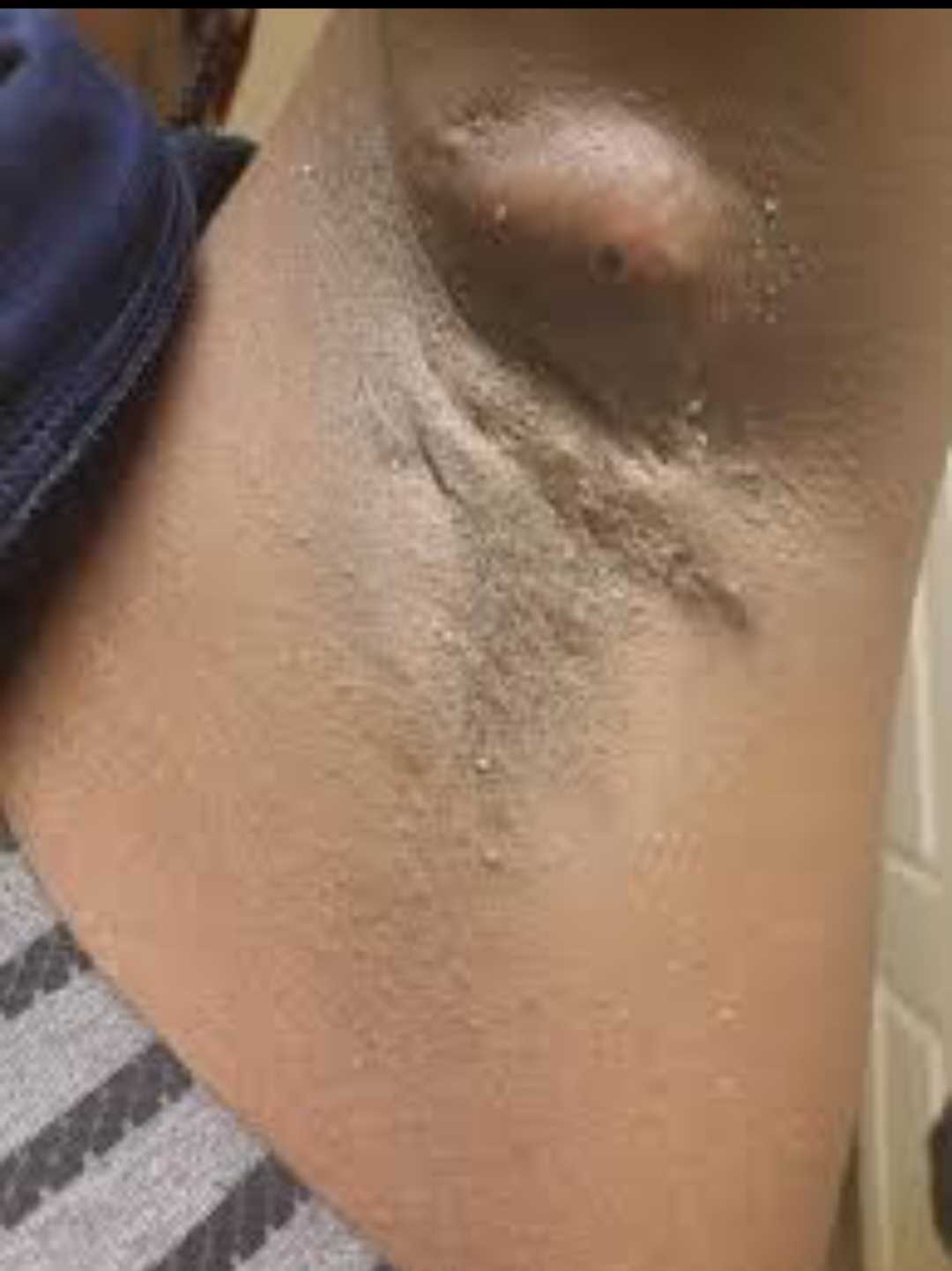
Many describe a similar pattern: irritation shortly after use, worsening symptoms with continued application, and relief after discontinuing the product.
Lisa Matanhire said what began as mild discomfort quickly escalated.
“About two weeks ago I ordered a three-pack of deodorants online, and after using them I started developing painful sores under my arm. The irritation worsened when I tried another variant, and I even noticed swelling and inflamed lymph nodes within days,” she said.
“I also experienced reactions to Nivea roll-on. My armpits became itchy and if you scratch you develop a rash. I stopped using it and the reaction stopped immediately thereafter,” said Grace Chinyama.
Related Stories
From Social Media to Supply Chain Questions
The growing number of testimonies is shifting the conversation beyond individual reactions, increasingly affecting Nivea’s brand perception in Zimbabwe and potentially impacting market share.
“I stopped using Nivea deodorants because of boils. It’s been a couple of years now without any recurrence,” one consumer said.
Similar sentiments are being echoed across social media platforms, with even consumers who have not experienced side effects saying they now intend to avoid Nivea products altogether.
While some consumers still express confidence in the brand, others suspect counterfeit products may be circulating widely, further damaging consumer trust.
“I have suspected a proliferation of fake products even on shelves of reputable retailers and pharmacies. Stronger regulation may help protect consumers,” said Patience Zirima.
If counterfeit products are involved, their presence within formal retail channels would point to a deeper supply-chain breach rather than isolated informal trading. Zimbabwean authorities have previously indicated a firm stance against counterfeit goods, but enforcement appears sporadic.
Regulatory Gap Back in Focus
The unfolding situation is also renewing scrutiny over how cosmetic products are regulated in Zimbabwe.
“Currently, MCAZ does not regulate cosmetics,” said Davidson Kaiyo of MCAZ. “However, the Authority is working on regulations that will govern that sector.”
Consumer protection bodies also appear to lack strong mechanisms to detect emerging patterns of consumer harm or provide easily accessible complaint channels.
As a result, many Zimbabweans are left to voice their concerns on social media in the hope that authorities will eventually take notice and act to protect consumers.
With the matter now expected to be escalated to the manufacturer through the distributor, there is cautious hope for a formal investigation, clarification on specific product batches, or clear guidance to consumers.
Until then, many consumers say they are choosing to minimise risk by avoiding Nivea roll-on deodorants altogether.









Leave Comments