





Delta Corporation is investing approximately US$39 million annually into local grain production as the beverages giant deepens its shift toward domestic sourcing to reduce import dependence and shield operations from currency volatility and supply disruptions.
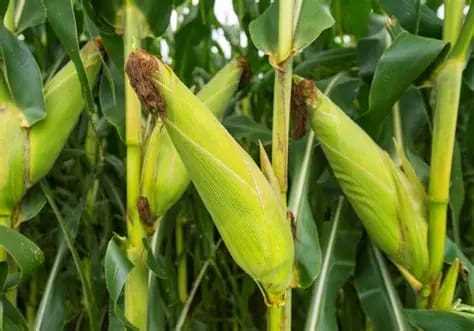
The company says it now sources 100 percent of its barley requirements locally, while about half of its maize demand is met through domestic supply chains. Sorghum production, a key input for traditional beer products, is supported by a network of nearly 9,000 communal farmers across the country.
Delta describes the model as “synthetic vertical integration,” under which the company secures raw materials by directly supporting agricultural production through input schemes, financing arrangements and technical assistance.
The strategy allows the group to bypass traditional procurement uncertainties that have historically affected manufacturing operations, particularly during periods of foreign currency shortages and logistical bottlenecks that constrained imports.
Related Stories
Zimbabwe’s agricultural sector has shown notable recovery in recent years, with production value increasing from about US$5,2 billion in 2019 to more than US$10 billion in 2024, creating stronger foundations for industrial sourcing.
By anchoring supply chains locally, Delta is simultaneously stabilising production and stimulating rural economic activity. The sorghum programme, in particular, integrates thousands of smallholder farmers into formal value chains, improving household incomes and reducing reliance on subsistence farming.
The approach also aligns with policy efforts by the Ministry of Industry and Commerce Zimbabwe to promote the Buy Local agenda aimed at lowering the national import bill and strengthening domestic industrial linkages.
Authorities have increasingly implemented import management measures and incentives supporting contract farming and local value addition to encourage industry reliance on Zimbabwean producers.
However, analysts caution that the model carries inherent risks. Greater dependence on local agriculture exposes the company to climate shocks, fluctuating yields and rising input costs, while scaling contract farming initiatives requires sustained financing and coordination across fragmented farming systems.
Despite these challenges, Delta’s expanding investment in local supply chains signals a broader shift within Zimbabwe’s manufacturing sector toward localisation strategies designed to enhance resilience, manage currency risk and secure long-term production stability.






Leave Comments