








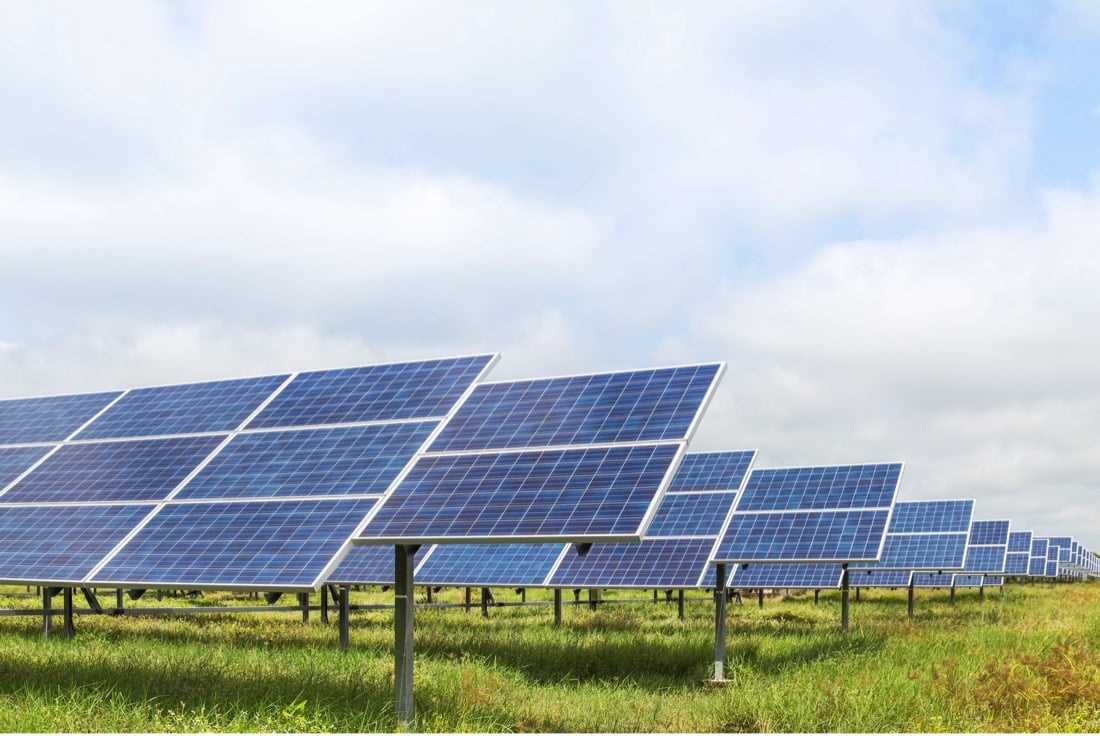
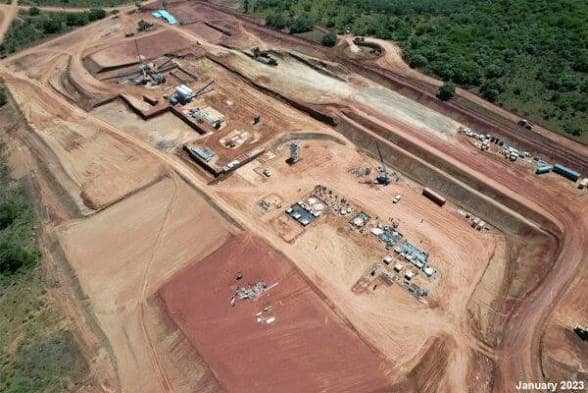
Government has issued a sovereign guarantee backing payment obligations for a 30MW solar power project, signalling renewed efforts to attract private investment into Zimbabwe’s struggling energy sector while increasing the State’s contingent financial exposure.
A General Notice published under the Constitution confirms that Finance Minister Mthuli Ncube has guaranteed payments by the Zimbabwe Electricity Transmission and Distribution Company to Vungu Solar (Pvt) Ltd under a long-term power purchase agreement.
“It is hereby notified… that the Minister of Finance… has issued a Government Guarantee for the payment obligations of the Zimbabwe Electricity Transmission and Distribution Company,” the notice reads, adding that the guarantee covers commitments arising from a Project Development Support Agreement signed in January under a 25-year framework.
The solar project forms part of government’s broader strategy to mobilise private capital into electricity generation, with independent power producers expected to contribute up to 1,000MW to the national grid.
Related Stories
Zimbabwe continues to face an electricity shortfall exceeding 1,500MW during peak demand, placing pressure on industry, mining and households.
By assuming payment risk, Treasury is effectively improving the project’s bankability. Energy analysts say sovereign guarantees remain a key instrument in Zimbabwe’s power sector, where investor concerns around tariff viability, currency volatility and payment security have historically slowed investment.
Policy reforms now include cost-reflective tariffs, guaranteed power off-take arrangements and provisions allowing investors to repatriate profits.
However, the guarantee also transfers potential financial risk to government. The notice outlines a compensation framework covering outstanding debt, shareholder contributions, equity returns and termination costs, less applicable insurance proceeds — meaning the State could assume significant liabilities if ZETDC fails to honour its contractual obligations.
Although such guarantees do not immediately increase public debt, they constitute contingent liabilities that may crystallise into fiscal obligations should state-owned entities default, a concern given ZETDC’s long-standing financial constraints.
The move reflects government’s delicate balancing act between accelerating energy security through renewable investments and maintaining fiscal prudence, as Zimbabwe increasingly relies on sovereign backing to unlock infrastructure financing in a high-risk investment environment.







Leave Comments