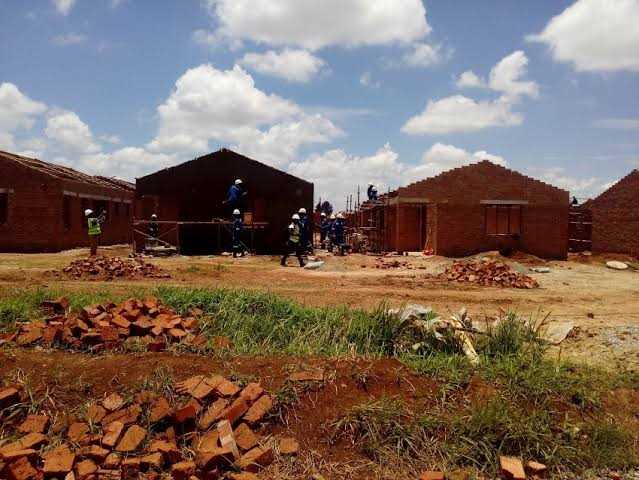









Zimbabwe is intensifying efforts to secure international financing for infrastructure development under the National Development Strategy 2, as limited domestic resources continue to constrain large-scale project implementation.
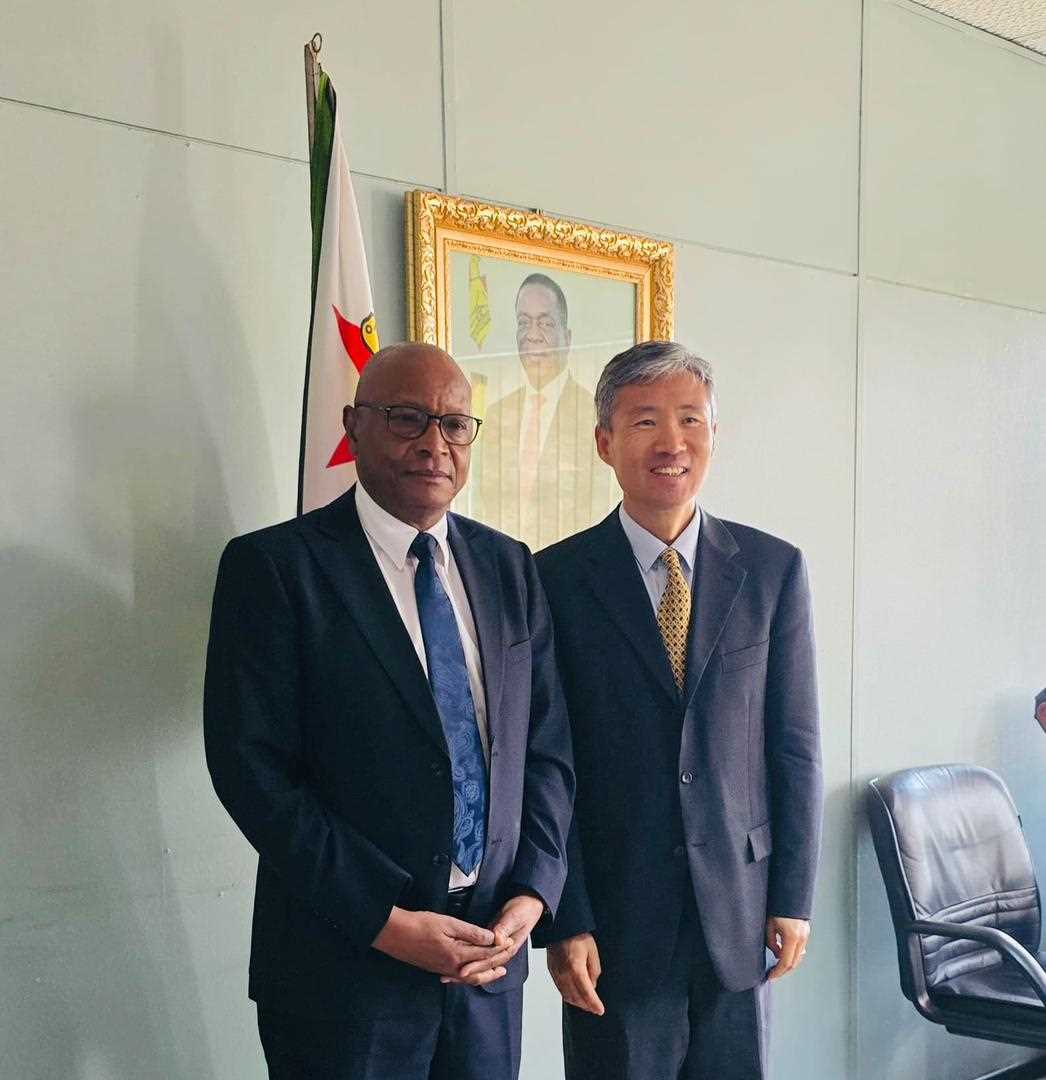
A meeting held in Harare between officials from the Ministry of Finance, led by Andrew Bvumbe, and the Multilateral Cooperation Center for Development Finance, focused on unlocking new funding mechanisms and strengthening technical capacity for infrastructure delivery.
Authorities say the engagement forms part of Zimbabwe’s re-engagement strategy aimed at mobilising external capital to support key sectors such as energy, transport and climate-resilient infrastructure.
However, the push for international partnerships highlights ongoing fiscal limitations, with Zimbabwe’s capacity to fund major infrastructure projects through domestic revenues remaining constrained by a narrow tax base and high expenditure demands.
The government has indicated its intention to join the MCDF as an observer, a move expected to position the country within a network of development finance institutions and potentially improve access to concessional funding and technical expertise.
Officials said the partnership could help “unlock critical streams of financing” to support economic growth, energy security and industrial development.
Related Stories
But economic observers warn that access to funding alone may not guarantee project success, citing past challenges related to project execution, cost overruns and debt sustainability.
Zimbabwe’s public debt remains a key concern, with external arrears limiting access to affordable financing from traditional multilateral lenders. This has forced the country to rely more heavily on alternative funding arrangements and bilateral partnerships, often at higher costs.
The proposed collaboration with the MCDF also reflects a growing emphasis on South-South cooperation, where developing countries seek to pool resources and expertise to drive development.
Officials from the MCDF, led by Zhongjing Wang, discussed capacity-building programmes aimed at supporting cross-border economic development and improving infrastructure planning standards.
Government says the partnerships will prioritise infrastructure that is resilient to climate change and aligned with international benchmarks, particularly in energy and industrial sectors.
However, Zimbabwe’s infrastructure gap, Economists argue, is not only a financing issue but also a governance challenge, pointing to the need for stronger project oversight, transparent procurement systems and clear returns on investment.







Leave Comments