






Cut Rag Processors says it is strengthening its position as a large-scale manufacturer of cut rag tobacco in Africa, targeting global partners that require consistent product quality, reliable logistics and the capacity to meet high-volume orders.
In its latest statement, the Zimbabwe-based processor said reliable supply in the tobacco industry begins with the right manufacturing partner, highlighting its ability to maintain steady production while supporting international customers through organised export systems.
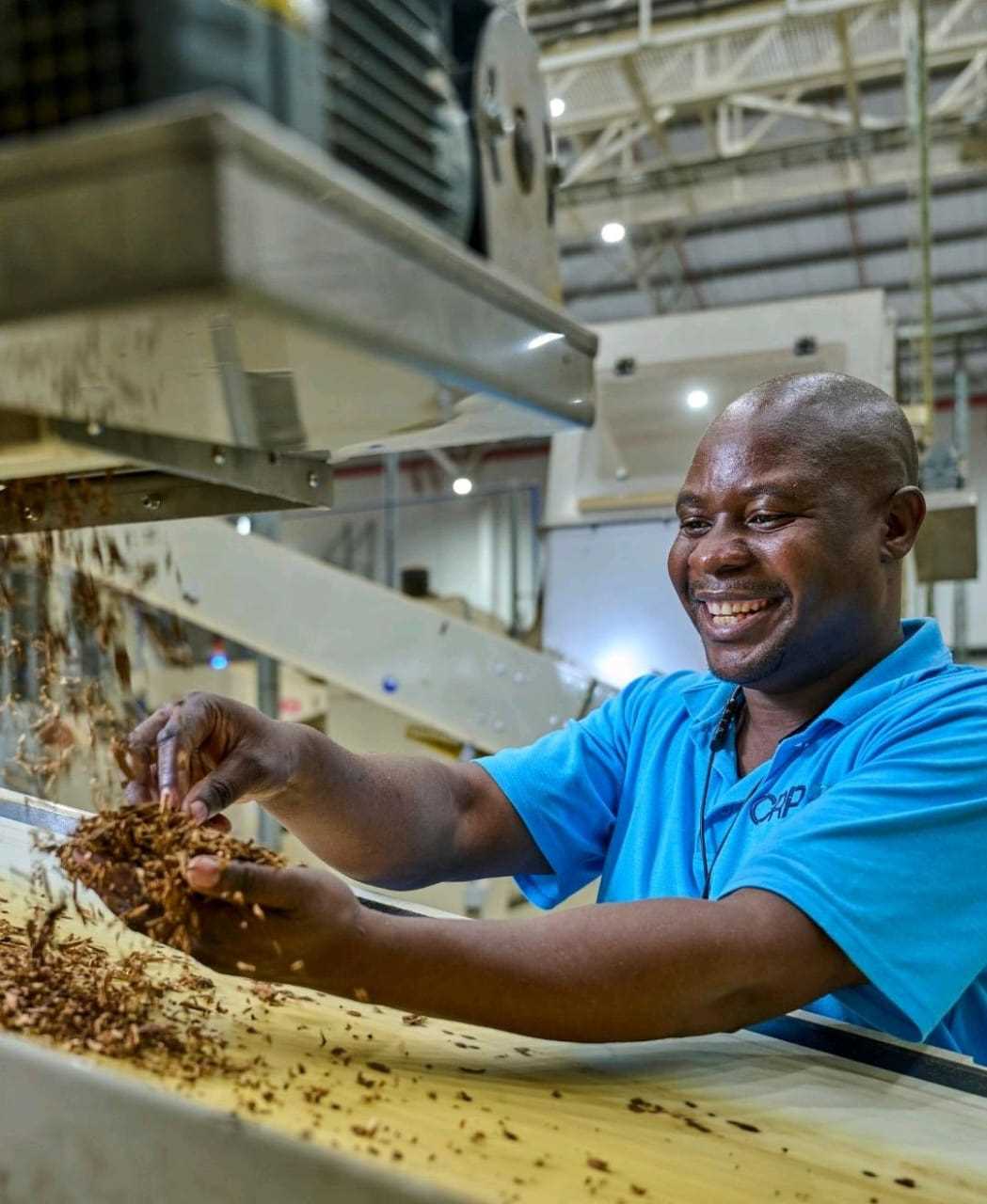
CRP said its operations combine advanced tobacco processing equipment, strict quality control systems and organised warehousing designed to handle large international orders efficiently.
According to the company, the integrated production structure allows it to maintain consistent manufacturing output and reliable export readiness even as global supply chains and shipping routes continue to evolve.
The company said it is working with international partners seeking high-capacity cut rag tobacco production, consistent and quality-controlled processing, custom blends tailored for specific markets, and coordinated export logistics.
CRP also said its long-term strategy focuses on building sustainable manufacturing partnerships with global buyers that require dependable supply chains.
The latest statement follows broader industry developments that have strengthened Zimbabwe’s position within the regional tobacco value chain.
In January, Zimbabwe’s tobacco sector was reported to be gaining momentum as a regional processing hub amid structural changes in Southern Africa’s cigarette manufacturing industry.
British American Tobacco South Africa (BATSA) has announced plans to close its only cigarette manufacturing plant in Heidelberg, Gauteng, by the end of 2026, citing the collapse of the legal cigarette market due to the rise of illicit trade.
The facility, which has operated for more than 70 years, currently runs at about 35 percent capacity. Its closure is expected to result in the loss of approximately 1,500 jobs.
BATSA says it will continue supplying the South African market through imports while maintaining its listing on the Johannesburg Stock Exchange.
Industry analysts say the closure has created a manufacturing and processing gap in Southern Africa, creating opportunities for Zimbabwean companies to expand their presence in the regional tobacco supply chain.
Zimbabwe remains Africa’s largest tobacco producer, and increasing investments in domestic processing are gradually shifting the country from a traditional leaf exporter to a regional value-addition hub.
Related Stories
CRP, one of the country’s largest tobacco processors and exporters of cut rag, says sustainability, domestic processing and farmer support are central to its strategy.
The company says its operations align with the environmental objectives of the Tobacco Industry and Marketing Board, including promoting sustainable curing practices and protecting natural resources.
In November 2025, Emmerson Mnangagwa commissioned a US$102 million integrated expansion at the CRP facility, which the company says is now Africa’s largest tobacco processing plant.
The facility has the capacity to process about three million kilogrammes of cut rag tobacco per month and produce up to 60,000 cigarette master cases monthly.
The integrated plant combines primary and secondary manufacturing lines, enabling processing from raw tobacco leaf to finished cigarette products within a single operation.
The investment followed Zimbabwe’s record 2025 tobacco marketing season, during which the country produced about 354 to 355 million kilogrammes of tobacco valued at approximately US$1.2 billion.
Tobacco remains one of Zimbabwe’s most important export commodities, contributing more than 25 percent of national export earnings.
CRP says expanding local processing capacity allows Zimbabwe to retain more value domestically by exporting refined cut rag tobacco and finished cigarette products instead of semi-processed leaf.
The company also highlighted its partnerships with growers, describing farmers as the backbone of the tobacco industry.
Despite Zimbabwe’s production strength, most tobacco continues to be exported in semi-processed form. Industry data indicates that in 2024 only about 10 percent of tobacco earmarked for value addition was processed locally.
Under the Tobacco Value Chain Transformation Plan, authorities aim to increase value-added tobacco production to about 25 percent of total output.
Analysts say investments such as CRP’s expansion significantly increase Zimbabwe’s processing capacity and strengthen the country’s role in the regional tobacco value chain, particularly as manufacturing capacity in South Africa declines.
However, they caution that long-term industry growth will depend on operational efficiency, competitiveness, market development and the ability to adapt to changing consumer preferences and regulatory pressures.
With regional manufacturing dynamics shifting, Zimbabwe, anchored by processors such as CRP, is increasingly emerging not only as Africa’s largest tobacco producer but also as a growing centre for tobacco processing, manufacturing and value addition.








Leave Comments