




Zimbabwe did not suddenly discover roadblocks last week.
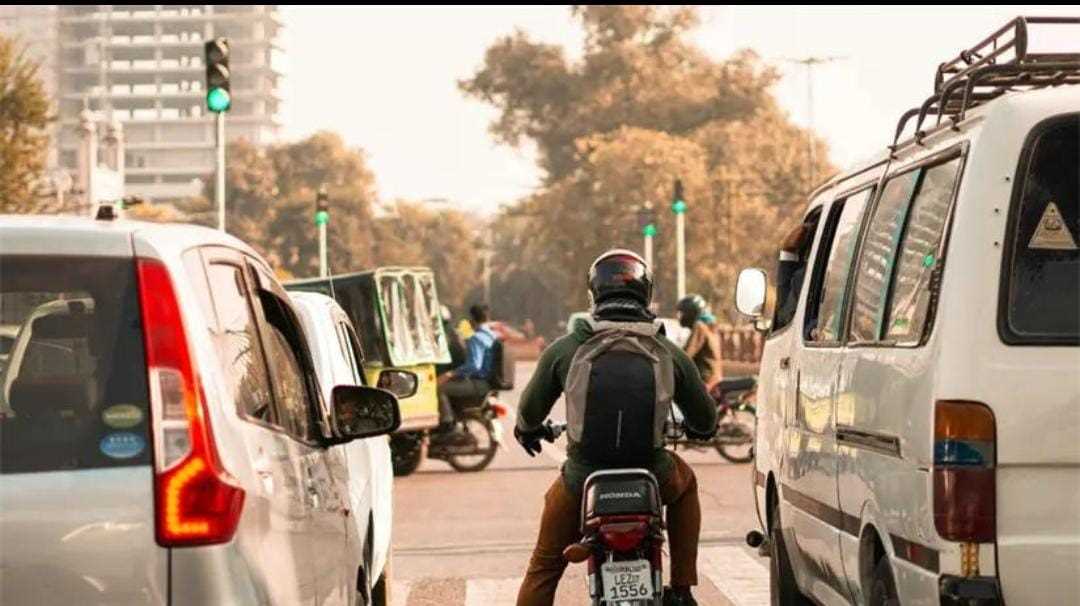
They have always been there — part of the national landscape, like potholes, fuel queues and saying “makadii” before the real conversation begins. We know to slow down before a curve because someone in uniform might be waiting.
We know which papers must permanently live in the cubbyhole. We understand the choreography.
The driver switches off the radio.
Passengers sit up.
Someone whispers, “pane roadblock.”
No one asks whether there is an offence — only how long the stop will take.
Then a German couple records a video.
A South African overlander writes a blog post.
A British backpacker posts a TikTok.
Within days, the nation is in a policy discussion.
Roadblocks are reviewed. Statements are issued. Conduct is corrected. Suddenly, the experience becomes a national concern — because outsiders experienced it.
And that raises an uncomfortable question:
Do we only become visible to our own government when someone else complains about our reality?
For years, motorists, kombi drivers, cross-border traders and ordinary commuters have lived this routine. Not always corruption. Not always hostility. But an exhausting unpredictability. Rules exist, yet they behave differently depending on who you are and where you are coming from.
It never became a national embarrassment.
Related Stories
It was simply life.
Until tourism entered the conversation.
The moment a traveller describes Zimbabwe as beautiful but stressful, the issue transforms from a domestic inconvenience into an economic risk. Now it affects Brand Zimbabwe. Now it affects investment. Now it affects reputation.
Nothing actually changed except the audience.
We did not react to a new experience.
We reacted to hearing our own experience in a foreign accent.
Some societies measure discomfort internally. Others recognise it only when it is reflected back by a visitor. A citizen’s complaint becomes a grievance; a tourist’s complaint becomes evidence.
But a nation cannot sustainably build hospitality on a double standard — where dignity becomes urgent only when it affects arrivals instead of residents.
Because a system that is comfortable for citizens is automatically comfortable for visitors. The reverse is not always true.
So the current police pronouncements and government apologies — welcome as they are — carry a quiet test:
Are they tourism reforms, or governance reforms?
If the road becomes easier only when a foreign number plate approaches, then we have improved our marketing, not our country.
But if the kombi driver, the nurse driving home at night, the small-scale trader coming from Mbare and the tourist from Munich all experience the same predictable, fair and respectful process, then the reform is real.
The question was never about roadblocks.
It was about whose discomfort counts as reality.
And whether we recognise ourselves only after a visitor introduces us.
Simbarashe Namusi is a peace, leadership and governance scholar, as well as a media expert, writing in his personal capacity.





Leave Comments