




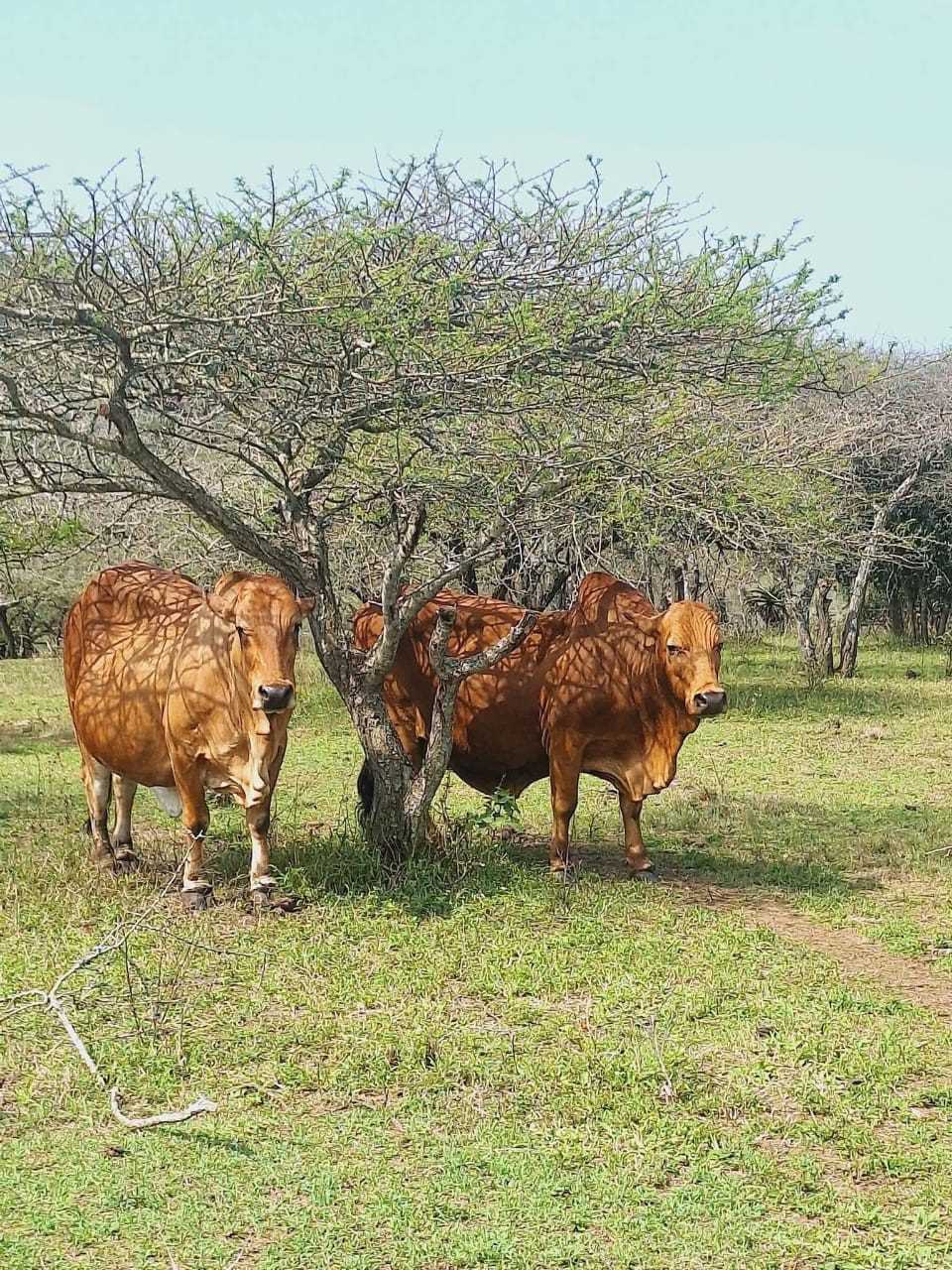
Outrage is growing along the Zimbabwe–Botswana border after Botswana authorities shot and burnt hundreds of cattle belonging to impoverished villagers, a move critics say reflects a ruthless policy that punishes poverty instead of solving border challenges.
In Plumtree, villages 28, 29, 30 and surrounding areas are reeling from the loss of what they call their only form of wealth. Botswana security forces have been killing any Zimbabwean cattle that stray across the border, citing fears of livestock diseases such as foot-and-mouth.
But villagers say the animals are not deliberately crossing. Instead, they move through gaps in the border fence, which they claim were created by fuel smugglers and criminals who stole sections of the fence.
Despite this, Botswana has adopted a shoot-and-burn approach, refusing to impound the cattle or notify owners, and instead executing the animals on sight.
For the villagers of Plumtree, this policy has been catastrophic.
A visibly shaken Hingani Gumbo struggled to hold back tears as he described the devastation.
“Thousands of cattle have been killed. People have lost everything. These cattle were our banks, our school fees, our food. Now they are gone. To see them shot and then burnt like rubbish is painful beyond words.”
The pain is especially severe for the elderly and vulnerable.
Seventy-six-year-old widow Gogo Biganani Moyo lost all 34 of her cattle in a single incident.
“They just disappeared,” she said quietly. “Later I was told Botswana police had killed them. Sengivalile isibaya akuselalutho, my kraal is empty. I have nothing left.”
In rural Plumtree, cattle are not just livestock. They are survival itself. Families rely on them for food, income, transport, bride price, medical bills and school fees. Losing cattle is not an inconvenience, it is a direct fall into poverty.
Related Stories
Villagers argue that Botswana’s actions ignore the social and historical realities of the border.
Families live on both sides, divided only by a colonial boundary. For generations, people and livestock have moved freely across the area, long before modern border controls existed.
Jonah Dube, another affected villager, says more than 2,000 cattle have been lost in the past year alone.
“We are one people on both sides of this border. Our relatives live in Botswana. Our cattle follow grazing and water. There is no proper fence. Yet Botswana chooses bullets instead of dialogue.”
Botswana, one of Africa’s leading beef exporters, supplies around 9,000 tonnes of beef annually to the European Union under a lucrative duty-free agreement. Protecting this market is a major national priority, and authorities argue that stray cattle threaten the country’s disease-free status.
A Botswana police officer in Francistown, who requested anonymity, defended the policy.
“If Zimbabwean cattle enter Botswana, they will be killed. We cannot risk foot-and-mouth disease. We are protecting our economy.”
But critics say Botswana is placing commerce above humanity.
Instead of impounding cattle, charging fines, repairing fences or working with Zimbabwean authorities, Botswana has chosen a militarised response that targets the poorest people in the region.
Civil society groups argue that Botswana’s policy is not only cruel but unnecessary, and that humane alternatives exist which could protect animal health without wiping out entire communities.
“What is happening in Plumtree is not just about cattle,” said one local leader. “It is about power versus poverty, trade versus survival, policy versus people.”
As kraals stand empty and families sink deeper into desperation, Plumtree villagers are calling for urgent dialogue between the two governments.
They are not asking for conflict, they say, but for fairness, cooperation and mercy.








Leave Comments