








Witness Runodada - Reporter
With the lion's share of the market, Strive Masiyiwa's empire faces a reckoning as regulators face mounting pressure to ban 'unusable' data bundles.
Zimbabwe Outcry Targets Econet's 'Off-Peak' Profits
Witness Runodada—Reporter
A swelling consumer rebellion against "unusable" off-peak data bundles is taking direct aim at the profitability of Strive Masiyiwa's telecom empire, with Econet Wireless positioned to bear the heaviest blow.
Econet, commanding majority market share and acting as the financial powerhouse for the Masiyiwa-owned Cassava Technologies, has built a revenue stream on bundling time-restricted night data with standard packages. An alliance of subscribers, watchdogs, and analysts now frames the practice as structural profiteering.
Analysis suggests for every dollar spent on data, a portion buys a product with little chance of consumption. This model, replicated by NetOne, boosts operator revenues while constraining digital inclusion in a country with just 38.4% internet penetration.
Pressure reached a critical point on January 21, 2026, when the Consumer Council of Zimbabwe (CCZ) issued formal letters to Econet and NetOne. The CCZ accused them of potentially breaching the Consumer Protection Act, warning that “charging consumers for data... largely unusable by the average subscriber raises concerns about fairness, transparency, and value for money.”
The Anatomy of a "Heist"
Consumers are targeting Econet’s restrictive midnight-4 a.m. window and NetOne’s 11 p.m.-7 a.m. period. This data is bundled into standard packages and sold at full price. For commentator Tendai Ruben Mbofana, the math is clear.
He buys a NetOne bundle advertised as 15GB for US$15. Only 11.5GB is usable during waking hours; 3.5GB is locked away at night. "I am paying for 15GB, yet a significant portion is effectively inaccessible," Mbofana writes, calculating an annual loss of US$36.
Related Stories
Scaling this individual loss reveals staggering value extraction. A conservative estimate suggests operators retain 15-20% of sold data as unused, expired off-peak allocations.

Operators defend the model. Econet's Fungai Mandivei has called off-peak data a "promotional add-on" benefiting students and shift workers. The CCZ counters that consumers are "charged the full cost" for bundles where "a significant portion" is restricted.
Frustration is palpable. "We use Econet mainly because of EcoCash; otherwise, it's ripping us off," posted one user, a sentiment echoed widely.
Econet's market leadership magnifies the impact. Holding a dominant portion of Zimbabwe's 16.2 million mobile connections, its revenue stream from this practice is likely the largest, but so is its exposure to regulatory action or consumer revolt.
"Let the consumer be king. Telecel collapsed because customers migrated," argues subscriber Kudzaishe Zindoga. With NetOne seen as offering better daytime value, subscriber churn is a real risk.
This comes at a perilous time for parent company Cassava Technologies, which is under "renewed scrutiny from creditors." A November 2025 Moody's downgrade warned the company struggles to service its substantial debt, reportedly around $751 million, without earnings from Econet Zimbabwe.
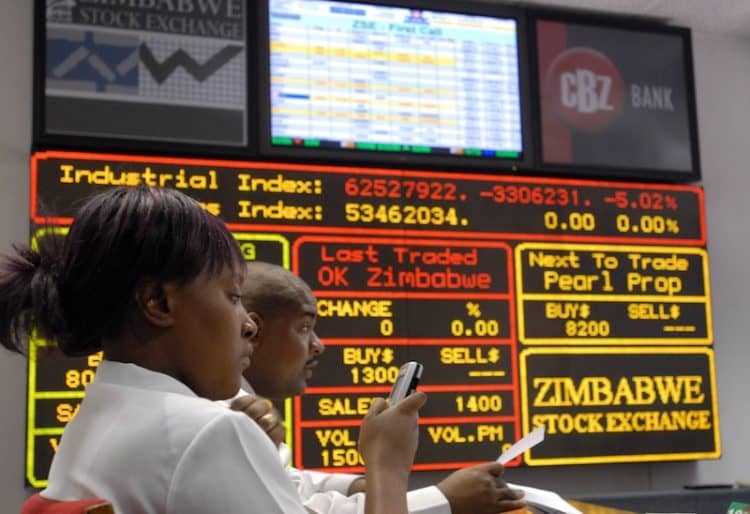
Econet's plan to delist from the Zimbabwe Stock Exchange adds opacity. Framed as addressing a "valuation discount," it will reduce transparency into how cash flows from Zimbabwe support the parent's debts.
Regulatory crossroads and a ticking clock
The central question now shifts to regulators. The Postal and Telecommunications Regulatory Authority (POTRAZ) remains conspicuously silent despite the CCZ's alarm and public anger.
"Regulators, too, have failed," charges Mbofana. “Telecommunications authorities exist to ensure fairness and value, yet off-peak data has become normalized and unchallenged.”
The government has signaled awareness. Last Wednesday, ICT Minister Tatenda Mavetera held meetings with telecom CEOs. While the readout focused on infrastructure, there is a high likelihood that the sustainability of current data pricing models was a pointed agenda item.
For Strive Masiyiwa, the implications are stark. Zimbabwe is a key revenue source. A regulatory ban or sustained boycott could puncture a reliable profit center when Cassava can least afford it.
The outcome tests a critical principle: does telecom regulation exist to manage the industry or to police it in the public interest? The first place to look may be in the millions of expired, paid-for gigabytes already deemed a “daylight robbery.”







Leave Comments