







Concerns are mounting over the sustainability of Zimbabwe’s family planning programme after projections pointed to a funding shortfall in 2026, raising the risk of contraceptive supply disruptions unless urgent financing solutions are secured.
The looming gap has prompted renewed engagement between the government and development partners, with both sides emphasising the need for coordinated action to protect access to essential reproductive health services.
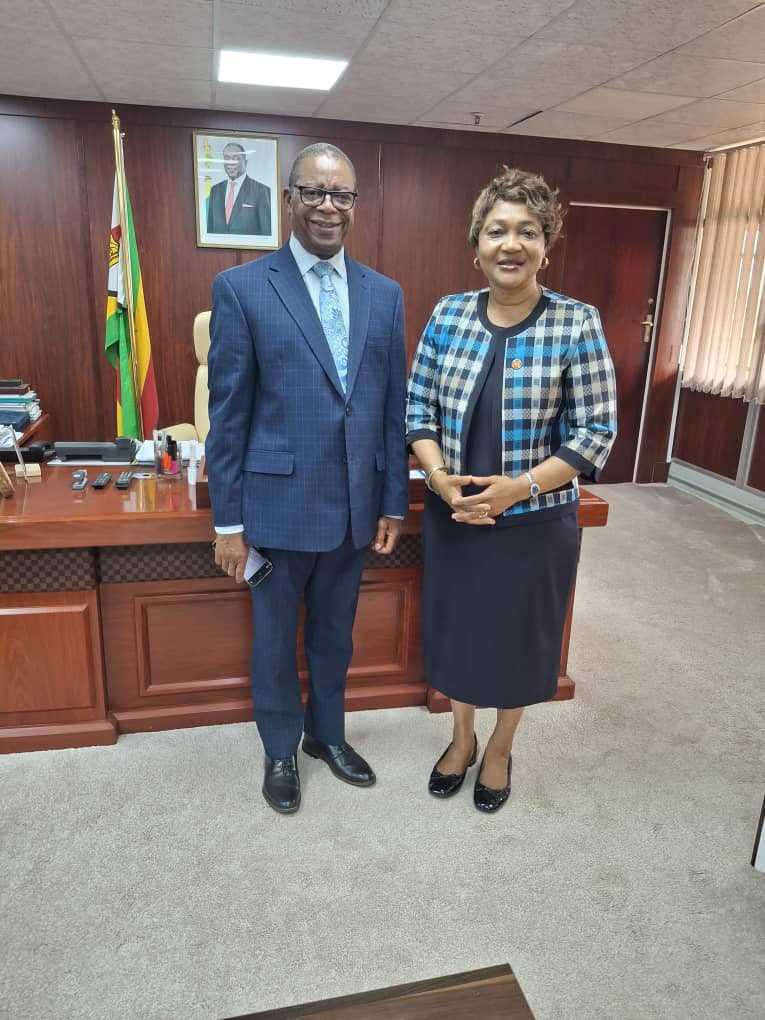
During a courtesy visit, UNFPA Zimbabwe Representative Miranda Tabifor and Minister of Health and Child Care Dr Douglas Mombeshora reaffirmed their commitment to safeguarding contraceptive commodity security amid growing pressure on external funding.
UNFPA warned that progress made in reproductive, maternal, newborn, child and adolescent health could be reversed if financing and supply planning are not aligned.
Related Stories
“Strong partnerships remain central to safeguarding Zimbabwe’s family planning gains,” the agency said, underscoring the risk of stockouts in the absence of sustained collaboration.
Zimbabwe’s family planning programme has long relied heavily on donor funding for commodities, logistics and demand forecasting. Any disruption in financing threatens service continuity, particularly for rural women and adolescents, who already face significant barriers related to distance, affordability and under-resourced health facilities.
The Ministry of Health and Child Care said it is prioritising joint resource mobilisation efforts with development partners to cushion frontline services against funding volatility. In a joint statement, the ministry and UNFPA said continued government leadership and partnership are critical to averting stockouts, protecting hard-won RMNCAH outcomes and ensuring uninterrupted access to family planning services nationwide.
Family planning remains a cornerstone of Zimbabwe’s public health system, closely linked to reductions in maternal mortality, lower rates of unintended pregnancies and improved health outcomes for women and girls.
Past interruptions in contraceptive supplies have led to rising unmet need and added strain on already stretched maternal health services, highlighting the urgency of closing the projected funding gap.









Leave Comments