



Oscar J. Jeke- Zim Now Reporter
Nonhlanhla Bonita Ngwenya’s work arrives at a critical moment in Zimbabwe’s social history, as the country grapples with rising criminality, particularly violent crimes such as murder.
While public debate often focuses on policing, punishment, and moral decay, Ngwenya’s professional journey and writing invite society to confront a deeper, often ignored reality: the growing mental health crisis that underpins much of this violence.
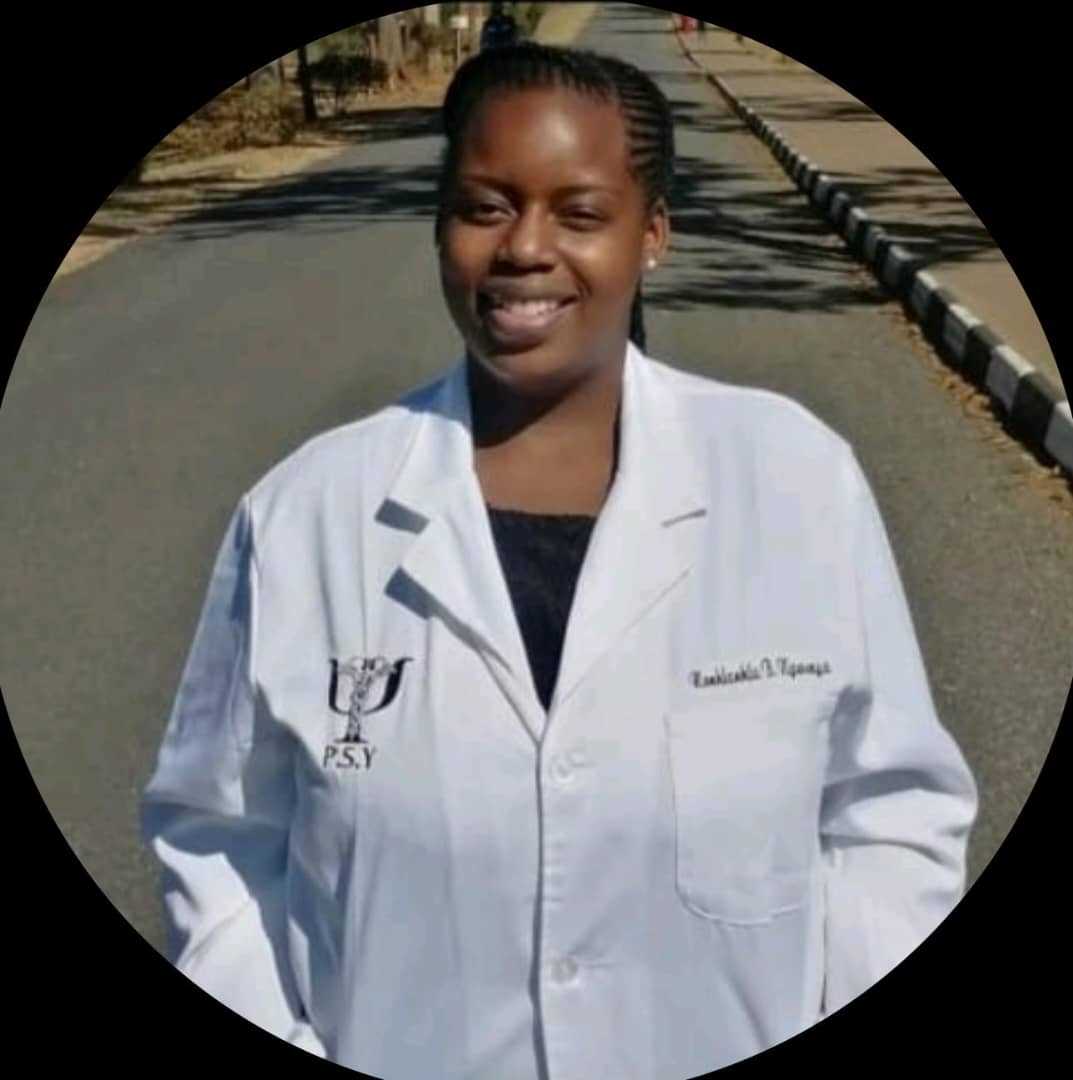
Recently promoted in her professional career, Ngwenya is a Clinical Psychologist working within the public mental health system at Ingutsheni Hospital, with academic grounding from Midlands State University.
Based in Bulawayo, she represents a new generation of mental health practitioners whose work is shaped not only by textbooks but also by daily encounters with trauma, despair, addiction, and untreated psychological distress.
Her exposure to diverse healthcare professionals, key populations, and vulnerable individuals has sharpened her understanding of how mental illness, emotional suppression, and social pressure can distort behaviour—sometimes with deadly consequences.
Through her clinical work and her widely read blog, Because Mental Health Matters, Ngwenya consistently draws attention to the psychological pressures weighing heavily on individuals in a society marked by economic strain, unemployment, substance abuse, and fractured family systems.
She argues that violence does not emerge in isolation; it is often the final expression of long-ignored stress, unresolved trauma, depression, and emotional dysregulation. In this sense, rising murder cases are not only a criminal justice issue but also a public mental health emergency.
Related Stories
A recurring theme in her writing is stress, which she describes as a silent storm capable of clouding judgment, weakening impulse control, and eroding empathy. Chronic stress, she notes, affects people physically, emotionally, and cognitively, impairing decision-making and increasing vulnerability to explosive reactions. In communities where stress is normalised and emotional support is scarce, the risk of violent outcomes grows.
Her emphasis on mindfulness, self-awareness, emotional regulation, and early coping strategies is therefore not simply about individual wellness but about social stability and safety.
Ngwenya is particularly vocal about men’s mental health, a subject she believes is dangerously neglected in conversations around violence and crime. In her reflections on gender-based violence and intimate partner violence, she challenges the cultural narrative that portrays men only as perpetrators.
She highlights how rigid expectations of masculinity—stoicism, dominance, and emotional silence—trap many men in cycles of shame, suppression, and psychological distress. When men are taught that vulnerability is weakness and help-seeking is failure, emotional pain has few safe outlets. Under such conditions, untreated mental health struggles can manifest as aggression, substance abuse, or violence against others.
Her writing draws a powerful connection between suicide, murder, and the same underlying emotional wounds. Hopelessness, despair, untreated mental illness, and isolation, she argues, are common threads running through both self-directed and outward violence.
While crime must never be excused, Ngwenya insists that prevention requires understanding these roots and intervening early, long before tragedy occurs. A society that only responds after lives are lost, she warns, has already failed its people.
Beyond the therapy room, Ngwenya’s advocacy is deeply community-oriented. Through her blog, she speaks directly to ordinary people about grief, addiction, “timeline depression,” self-comparison, and the quiet exhaustion of trying to survive in difficult circumstances. Her writing is reflective, compassionate, and accessible, designed to reach those who may never step into a clinic but are silently struggling. Her mantra, #becausementalhealthmatters, is both a declaration and a challenge to a society that often treats mental health as secondary until violence erupts.
As she continues to grow professionally, Ngwenya’s passion remains firmly rooted in prevention, awareness, and healing. Her recent promotion is not just a personal achievement but also a timely reminder of the importance of strengthening mental health systems in a country facing complex social pressures.
In a climate where rising murder cases provoke fear and anger, her work urges Zimbabweans to also ask harder questions about emotional wellbeing, trauma, and neglect.
Nonhlanhla Bonita Ngwenya’s voice stands as a call to policymakers, communities, and individuals alike: to recognise that behind many acts of violence lie untreated psychological wounds, and that true safety begins not only with law enforcement but with empathy, mental health literacy, and accessible care.






Leave Comments