






The government says Zimbabwe has adequate stocks of medicines to treat snake bites and rabies, particularly in border and forested areas where cases are more common.
Responding to a question in the National Assembly from CCC MP Clifford Hlatywayo about vulnerable communities such as Mahenye and Chisuma in Chipinge, Health and Child Care Minister Douglas Mombeshora said authorities have put measures in place to ensure essential medicines are available in high-risk areas.
Mombeshora told Parliament that both snake bites and rabies are classified as neglected tropical diseases and mainly affect rural communities. He said the government is addressing the conditions through the national Neglected Tropical Diseases Master Plan for 2023–2027, launched in December 2024.
Health facilities in affected areas currently hold stocks of rabies vaccines to allow prompt treatment after exposure. According to figures presented in Parliament, Ndanga has 254 vials of the vaccine, Marondera 55, Zaka 51, Murambinda 48, Gwanda 42 and Filabusi 27. Other facilities, including Victoria Falls, Nyanga, Chipinge, Mutoko and Gweru hospitals, also hold smaller stocks.
Related Stories
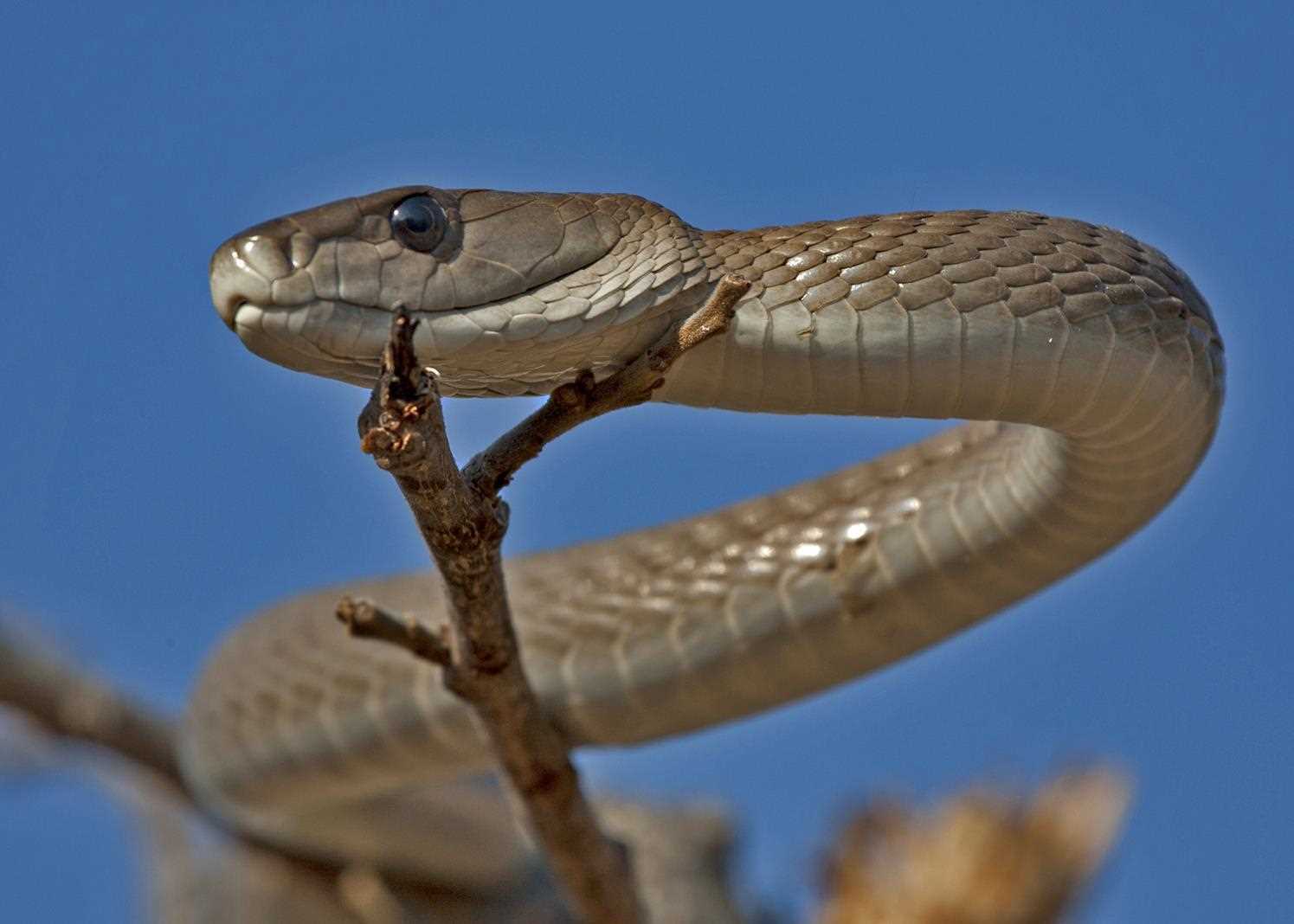
For snakebite treatment, Mombeshora said the anti-venom PANAF 38 is stocked at regional depots of the National Pharmaceutical Company of Zimbabwe (NatPharm) and can be quickly dispatched to health facilities when needed. The anti-venom can be stored at room temperature, making distribution easier.
Current stocks include 2,028 vials in Harare, 873 in Bulawayo, 795 in Mutare, 653 in Chinhoyi, 583 in Masvingo and 547 in Gweru.
Zimbabwe has recorded 1,513 snakebite cases so far in 2026, with Hurungwe district reporting the highest number at 64, followed by Zvimba with 61 and Makonde with 46.
“These are among the highest burden districts and we have intensified anti-venom distribution and pre-positioning efforts in such areas,” Mombeshora said.
On rabies, Zimbabwe recorded 331 dog rabies cases and 17 human deaths between 2022 and October 2024, with Manicaland reporting the highest number of animal cases.
Mombeshora said the country is working towards the global goal of eliminating dog-mediated human rabies deaths by 2030 through mass dog vaccination programmes and community awareness campaigns.









Leave Comments