



Simbarashe Namusi
Zimbabwe enters 2026 carrying two things in equal measure: fatigue and expectation.
Fatigue from years of reform rhetoric that arrived with sirens and left without receipts.
Expectation because, despite everything, Zimbabweans remain incurably hopeful — not in a naïve way, but in the stubborn manner of people who know systems can work, because they occasionally do.
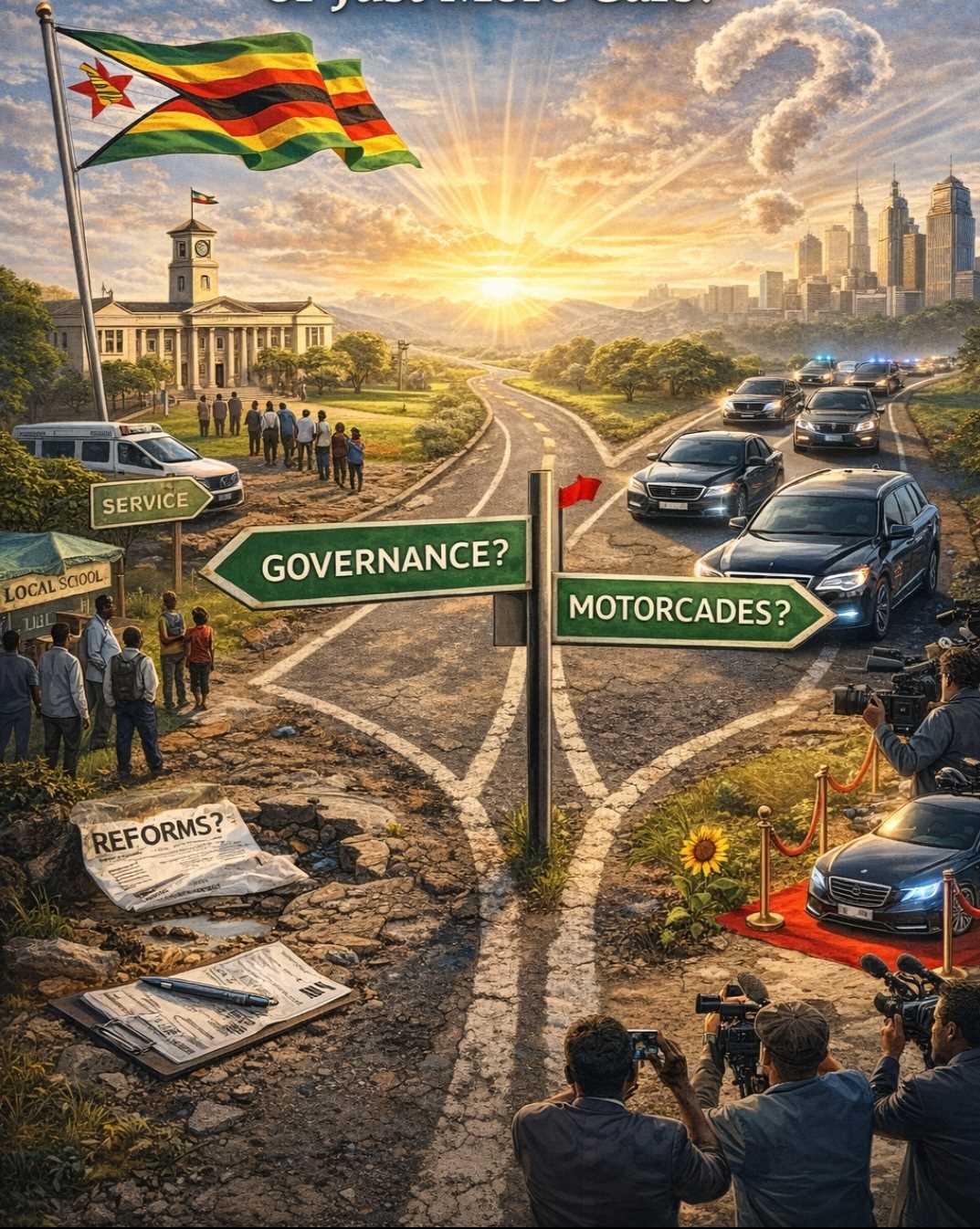
The question shaping governance discourse this year is not abstract. It is brutally practical: will 2026 be remembered for better public service delivery — or for better motorcades?
The Reform That Never Quite Lands
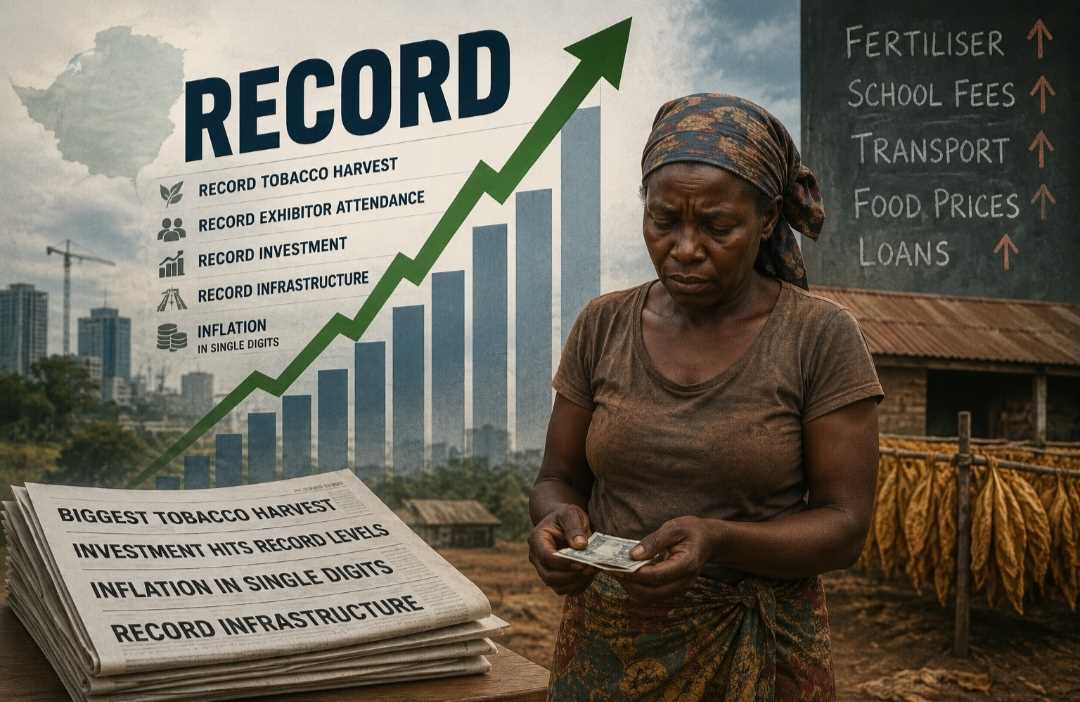
Government has spent the past few years insisting that “the fundamentals are in place.” The phrase has become the political equivalent of loading — always visible, never complete.
Institutions are said to be stabilising. Processes are said to be improving. Policies are said to be aligning. Yet on the ground, the citizen experience remains stubbornly familiar: long queues, silent offices, under-resourced departments, and an administrative culture that still treats the public as an inconvenience rather than a client.
If 2026 is to mean anything, governance must move beyond press statements and into predictability. Not perfection. Predictability.
Zimbabweans are remarkably patient with hardship. What they resent is uncertainty: rules that change without warning, enforcement that depends on who you know, and accountability that travels downward but rarely upward.
The Optics Economy
Few things capture the governance dilemma better than the state’s continued obsession with status symbols.
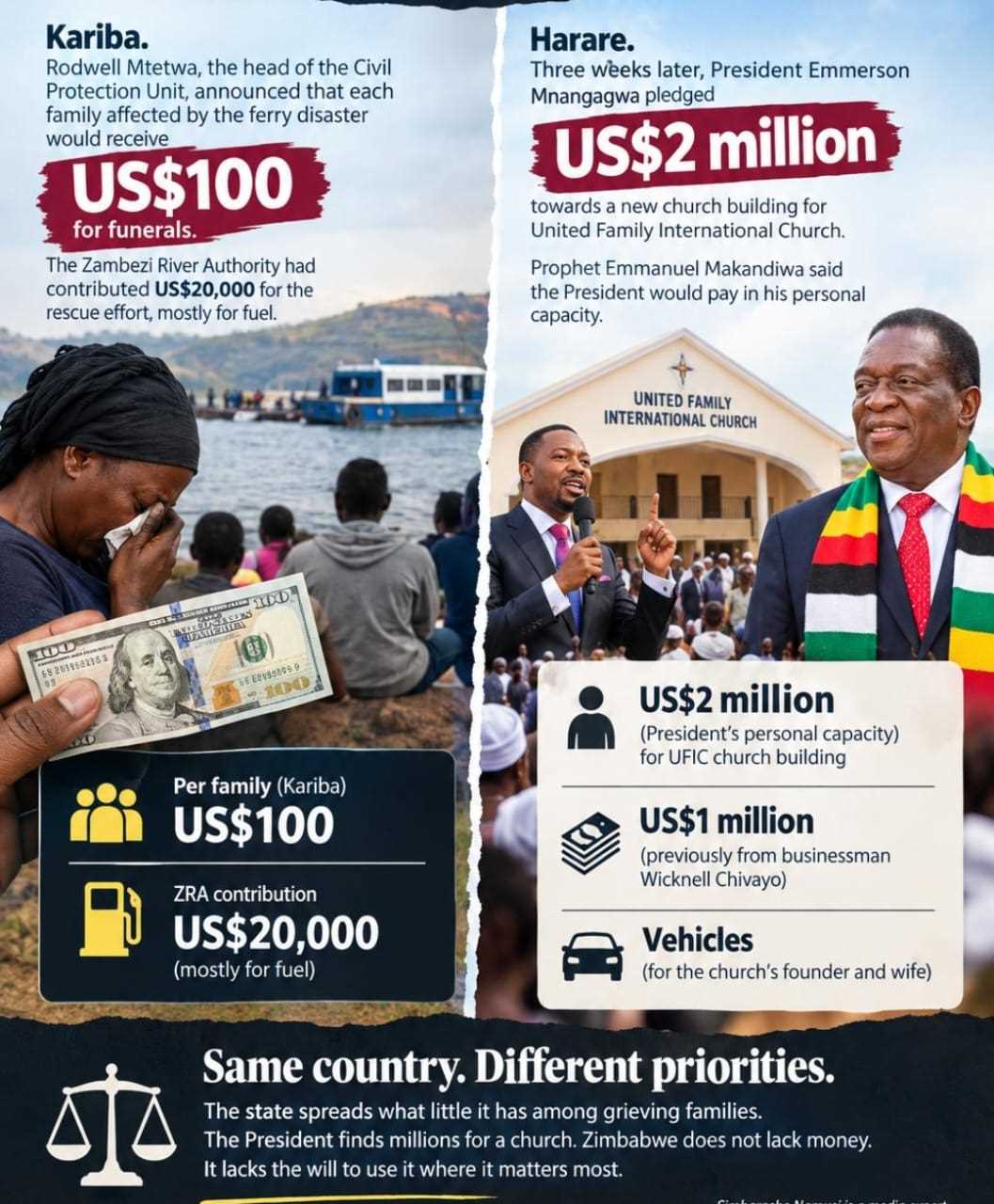
The luxury vehicle has become the most honest barometer of priorities. New fleets arrive with impressive efficiency. Procurement is swift. Specifications are exact. Meanwhile, hospitals improvise, schools fundraise, and local authorities plead poverty.
This is not merely about cars. It is about signals.
A government serious about reform understands that symbolism matters. When austerity is preached but opulence is practised, credibility collapses. When belts are tightened for citizens but loosened for officials, trust evaporates.
2026 will test whether leadership understands that legitimacy is no longer inherited — it is audited daily by an economically literate population.
Devolution: The Idea Still Waiting to Happen
Devolution remains one of Zimbabwe’s most promising governance concepts — and one of its most underwhelming executions.
Provincial and local authorities continue to operate with ambition but without muscle. Budgets arrive late. Authority remains blurred. Responsibilities are devolved faster than resources.
If 2026 does not finally empower local governance with real fiscal and administrative autonomy, devolution risks becoming another reform buzzword — revolutionary in speeches, irrelevant in practice.
Zimbabwe’s problems are intensely local. So must be many of the solutions.
The Civil Service Test
Related Stories
Governance reform ultimately lives or dies in the civil service.
2026 will quietly but decisively test whether professionalism is rewarded — or merely tolerated. Whether competence is promoted — or parked. Whether innovation is encouraged — or punished for being inconvenient.
The country does not lack skilled administrators. It lacks institutional protection for integrity.
Until systems reward honesty more reliably than loyalty, governance will remain fragile, no matter how polished the strategy documents appear.
Parliament, Oversight, and the Silence Between Sessions
Zimbabwe’s Parliament has the constitutional tools to shape governance meaningfully. What it often lacks is institutional assertiveness.
Oversight cannot be seasonal. Accountability cannot be reactive. Public hearings cannot feel like box-ticking exercises designed more for optics than outcomes.
In 2026, citizens will be watching not just what laws are passed, but how rigorously power is questioned — and how consistently answers are demanded.
Silence, in governance, is never neutral. It is always read as permission.
Citizens Are No Longer Passive
Perhaps the most underestimated governance shift is happening outside government itself.
Zimbabweans are more informed, more networked, and more comparative than ever before. They benchmark governance not against slogans, but against neighbours, diaspora experiences, and global standards visible on their phones.
This does not mean rebellion. It means reduced tolerance for nonsense.
In 2026, governments that mistake silence for consent will misread the room.
So — Hope or More Cars?
The honest answer is that 2026 could be either.
It could be the year when reform finally becomes operational: quieter, less theatrical, but more effective. A year of boring competence. Of systems that work without fanfare. Of officials who understand that service is not a favour.
Or it could be another year where governance progress is measured in kilometres driven rather than outcomes delivered.
Zimbabwe does not need miracles in 2026. It needs consistency. It needs humility. It needs leaders who understand that the true upgrade is not leather seats — but functioning institutions.
History will not remember how comfortable officials travelled.
It will remember whether citizens finally felt the state was moving with them — not past them, windows tinted.
Simbarashe Namusi is a peace, leadership and governance scholar as well as a media expert. He writes in his personal capacity.




Leave Comments