



By Simbarashe Namusi
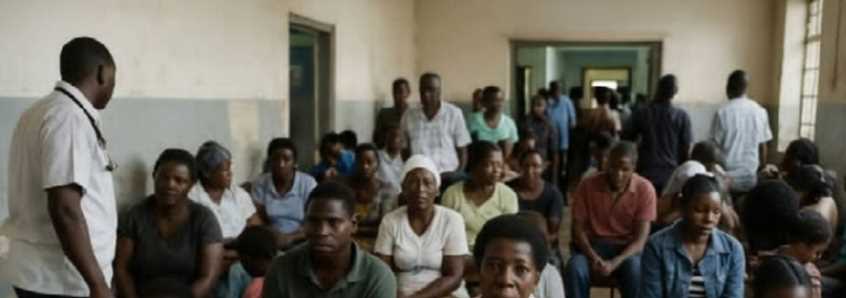
Zimbabwe is watching a decisive shift in how essential services are delivered. Once reliable, public hospitals, schools, and emergency systems are struggling.
System parallel private ecosystem has emerged that offers quality — but only to those who can afford it. Quality has become a product you buy, not a right you receive.
The Funding Void Behind Public Failure
Data from recent budget reviews paints a stark picture of neglect and underperformance in sectors meant to benefit all Zimbabweans.
Health funding is chronically low and poorly executed.
• In the 2025 budget, the health sector received about 10% of total government spending, far below the 15% minimum recommended by the Abuja Declaration.
• Per capita public health spending is about US $17 in 2025, according to the Community Working Group on Health.
• Zimbabwe averages about 0.17 physicians per 1,000 people, far below the global average of 1.71, worsening public hospital strain.
• Budget execution is poor: By mid-2025, only 25% of allocated health funds had been spent, leaving critical drugs, ambulances, and infrastructure unfunded.
• Out-of-pocket costs dominate the system, with about 90% of Zimbabweans lacking health insurance.
Education funding also falls short of need.
• While Zimbabwe sometimes allocates near the Dakar Framework’s 20% benchmark, actual spending often misses that mark, with education allocations around 14–17% of the national budget and heavy emphasis on wages.
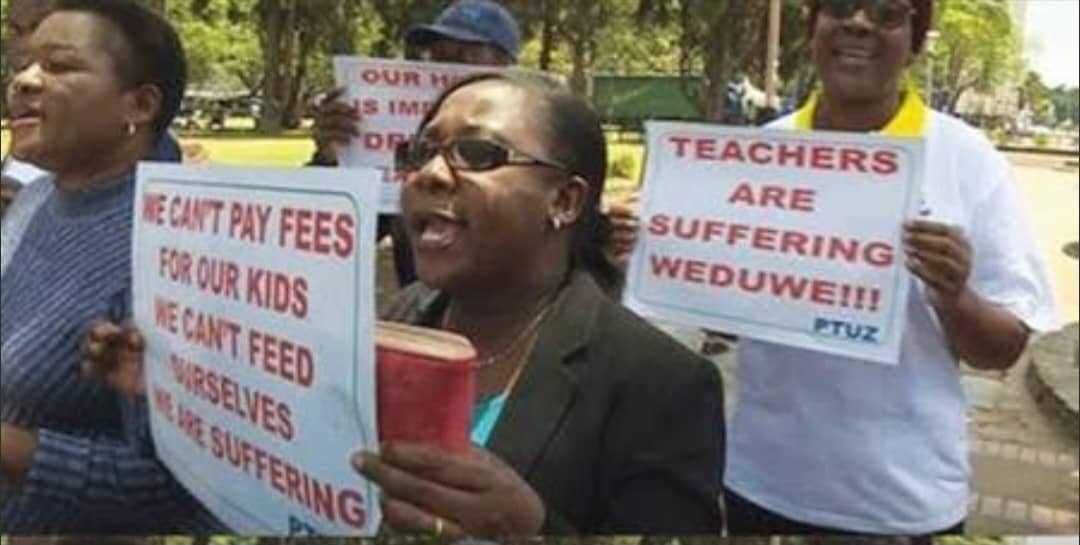
• Thousands of schools are lacking or overcrowded, with shortfalls of nearly 3,000 schools nationwide, forcing children to walk long distances and attend overcrowded classes.
• In many districts, public infrastructure is so inadequate that students learn in shifts or outdoors during extreme weather.
These gaps matter. When public hospitals lack basic drugs or essential staff, people skip treatment or crowd private emergency services. When public schools are strained or under-resourced, Zambia-style schools with USD-denominated fees become the only path to real opportunity.
Who Benefits from This Split System?
A private health and education market thrives because the public version fails. But the beneficiaries are not a neutral market. The private sector filling the void is largely accessible to Zimbabwe’s elite, expatriates, senior civil servants, and the politically connected.
Related Stories
Those with access to foreign currency or high salaries can afford:
Premium private clinics with faster diagnostics and medicines are always in stock.
Tuition in private or trust schools charging fees in USD, providing better teacher retention and facilities.
Private security services, boreholes to solve water shortages, and private ambulance contracts.
Meanwhile, the majority of Zimbabweans rely on public services starved of funding. This two-tier reality entrenches inequality and cements privilege for people already close to power — a situation made worse by brain drain, with thousands of doctors and nurses leaving the country in recent years.
Consequences for Zimbabwe’s Greater Good
A society cannot speak of fairness while public hospitals run out of painkillers and patients pay out-of-pocket for lifesaving care. It cannot claim equity when a child’s future depends on paying tuition in US dollars.
The data show the consequences clearly:
The health budget is underfunded, under-executed and unable to serve the majority.
Education budgets are squeezed into salaries, with little left for new classrooms.
Public trust erodes while private networks profit.
This is not a random failure. It is a structural crisis where quality becomes a privilege and access depends on wealth or connection. When the people in charge rely on private alternatives themselves, they lack urgency to improve public systems. Upper-class professionals, politicians, and those in government aren’t in overcrowded wards or dilapidated classrooms. They are their own customers.
What This Says About the Greater Good
The “greater good” is not about some shared rhetoric. It is about a shared foundation — functioning, equitable services that provide a level playing field. When public goods collapse, inequality no longer just describes wealth differences. It describes who lives and who waits for treatment, who gets quality education, and who does not.
This two-tier system benefits a narrow slice of society — those with access to foreign currency, political networks, or high incomes. It punishes everyone else.
If Zimbabwe truly wants unity and improved national outcomes, those running the state must treat public goods as an investment for all citizens, not a deficit to outsource.
Simbarashe Namusi is a peace, leadership, and governance scholar as well as media expert. He writes in his personal capacity






Leave Comments