




Zimbabwe’s informal economy may be powering livelihoods, but for many women, the start of 2026 is exposing a deeper reality survival is still being taxed in ways that remain largely invisible.
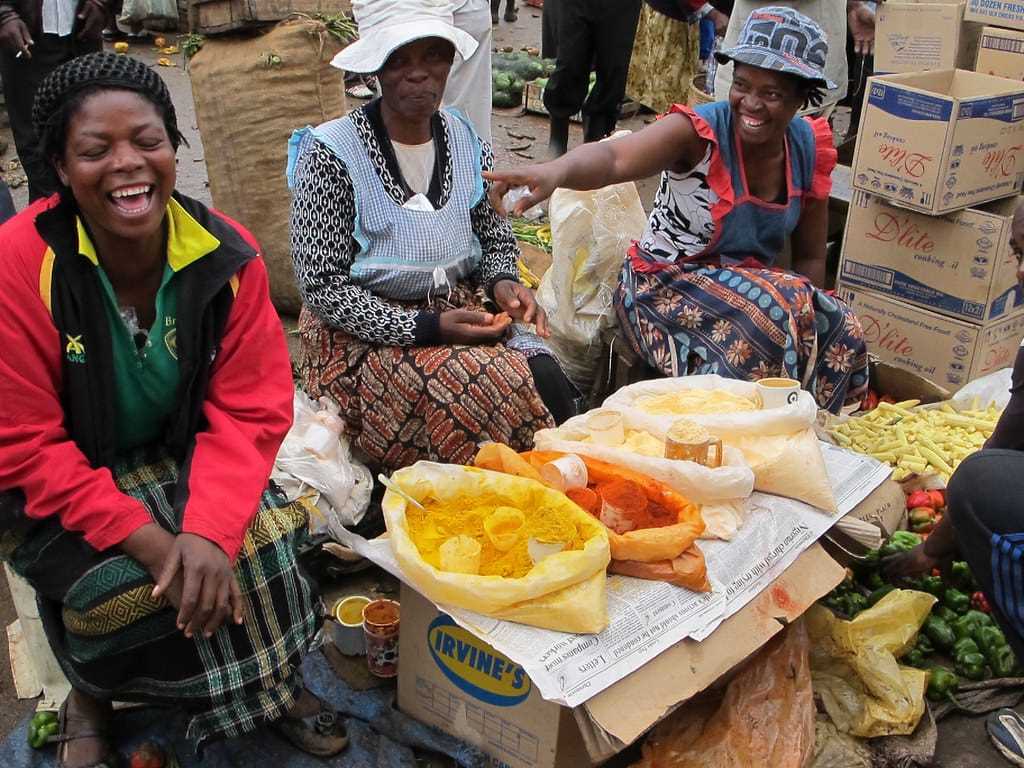
In markets like Mbare Musika, women dominate the daily rhythm of trade, forming the backbone of an informal sector that accounts for 58.5% of the employed population, according to Zimbabwe National Statistics Agency.
Human rights lawyer Michelle C Bonzo says this dominance does not translate into economic security.
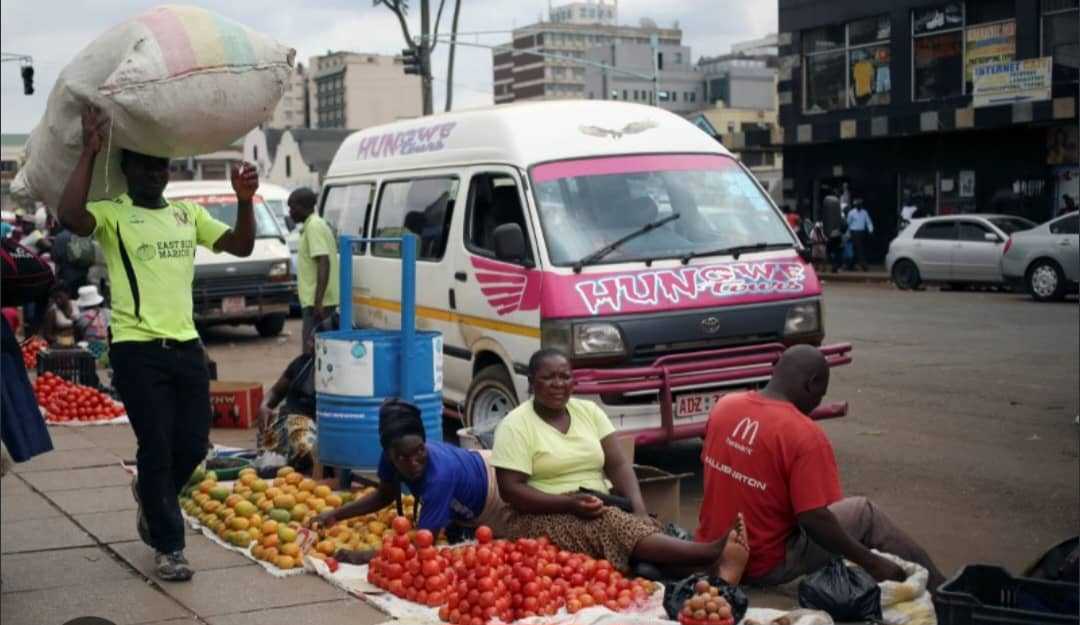
“In the early morning light of Mbare Musika, the rhythm of Zimbabwe’s heartbeat is a woman’s voice,” she said.
“She is the vendor arranging a pyramid of sun-ripened tomatoes, the mother negotiating the price of a second-hand bale, and the cross-border trader calculating her margins in a notebook.”
Yet beneath that visibility lies what she describes as a structural burden.
“For every dollar earned, the Zimbabwean woman pays a silent, structural ‘Pink Tax’ that her male counterparts frequently bypass,” Bonzo said.
The cost is not formal, but embedded in the nature of informal work, where women are concentrated in service, sales and perishable goods, making them more vulnerable to daily losses.
A crate of vegetables, for instance, becomes a race against time.
“To avoid a total loss, women are often forced to ‘dump’ their stock at a fraction of its value by sunset,” Bonzo noted.
“This perishability penalty functions as a direct levy on female income.”
The burden is worsened by unpaid care responsibilities, with many women running businesses while simultaneously caring for children, often without access to basic childcare infrastructure.
Analysts say this dual role effectively reduces productivity and earnings, reinforcing gender inequality within the informal sector.
At the same time, the absence of social protection continues to deepen vulnerability.
Related Stories
Despite provisions in the Constitution, many informal workers remain excluded from formal social security systems administered by the National Social Security Authority.
Current frameworks, including Statutory Instrument 393 of 1993, largely apply to formally employed workers, leaving the majority of informal traders most of them women without pensions, maternity leave or disability cover.
“Without formal registration, the woman at the market has no maternity leave, no disability insurance, and no pension,” Bonzo said.
“Her social security is her ability to work until her body can no longer handle the weight of the crates.”
While Zimbabwe’s macroeconomic indicators show signs of stability, including inflation easing to 3.8% in 2026 according to Trading Economics, the impact at household level remains uneven.
Women, who largely manage household consumption, are often the first to absorb price shocks.
“With food and non-alcoholic beverages accounting for 31% of the Consumer Price Index, any fluctuation hits the female trader twice in her business capital and in her family’s pot,” Bonzo said.
Recent policy developments, such as the Zimbabwe Social Registry Survey (ZISO) and the upcoming 2026–2030 strategy by the National Social Security Authority, are being viewed as steps in the right direction.
However, experts say more structural reforms are needed.
“Moving forward, the goal must be to transform the informal economy from a site of survival into a platform for wealth,” Bonzo said.
“This requires gender-responsive budgeting that prioritises market-integrated childcare and cold-storage facilities to eliminate the ‘perishability tax’.”
She added that policy changes must also make it easier for informal workers to contribute to social insurance systems.
“It means simplifying laws to allow women to contribute small, daily amounts to social insurance even via mobile platforms,” she said.
“This Women’s Month, we must recognise that the ‘Pink Tax’ is a cost Zimbabwe can no longer afford to let its daughters pay,” Bonzo said.
“By bridging the gap between constitutional promises and market reality, we can ensure that the women carrying the economy finally have an economy that carries them back.”





Leave Comments