






Zimbabwean manufacturers are increasingly finding themselves caught in an uncomfortable paradox: they produce legally, pay taxes and comply with regulators, only to see their products diverted into illicit regional markets and their brands subsequently blamed for crimes allegedly committed by third-party distributors.
The emerging supply-chain problem is raising questions over whether authorities and sections of the media are following illicit goods far enough beyond the factory gate to identify the operators actually responsible for diverting them.
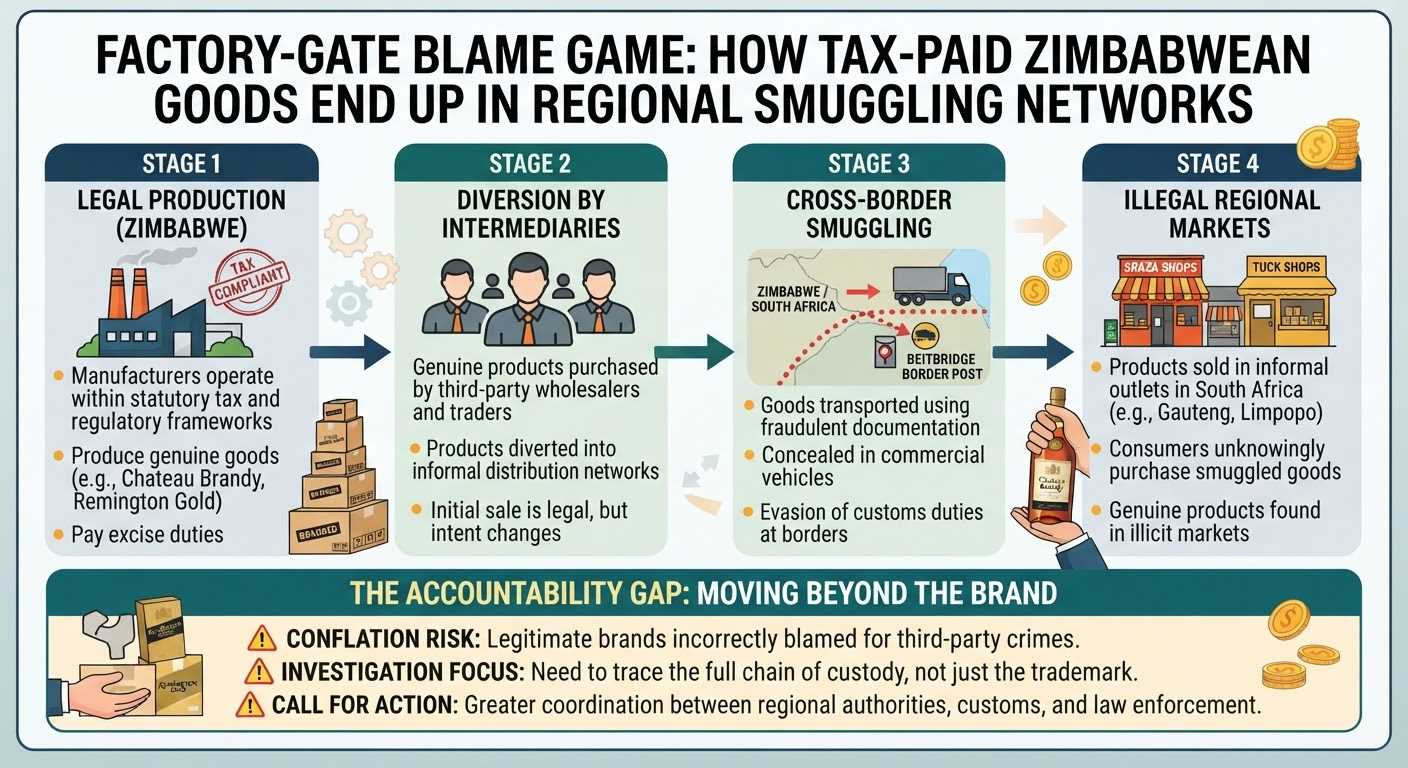
Local liquor, cigarette and fast-moving consumer goods manufacturers operate within Zimbabwe’s statutory tax and regulatory framework, but legally manufactured products can subsequently be bought by wholesalers and traders before being diverted into informal and cross-border markets.
Among the products cited in the debate are African Distillers’ Chateau Brandy and Gold Leaf Tobacco’s Remington Gold cigarettes.
The central issue, according to industry and trade analysts, is chain of custody — determining who purchased the products, who transported them, who altered or falsified documentation and who ultimately placed them on illicit markets.
From legal factory floors to illegal markets
Investigations by Express Mail Zim into the secondary wholesale ecosystem indicate that some syndicates allegedly exploit legitimate wholesale channels to acquire genuine, tax-paid products before diverting them into informal distribution networks.
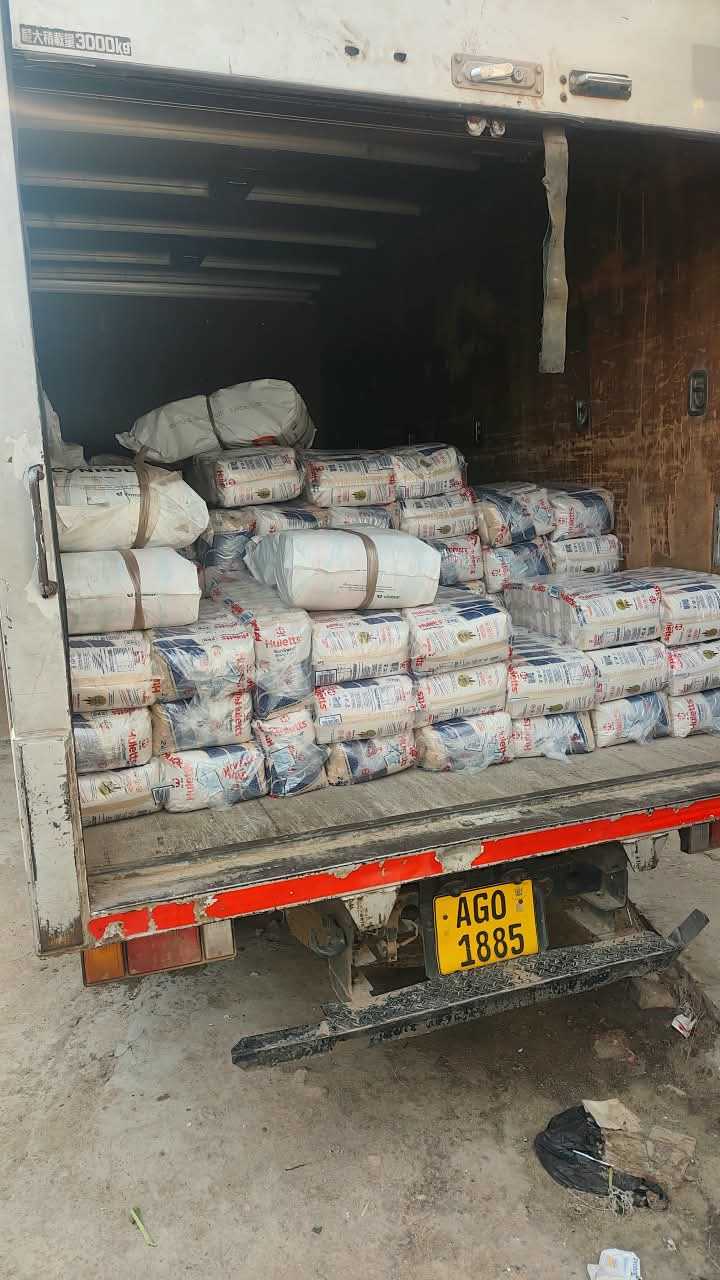
The products may subsequently be transported across borders using fraudulent documentation or concealed in commercial vehicles, with Beitbridge identified as one of the regional transit points used by smugglers.
Once across the border, the goods can allegedly find their way into informal outlets, including spaza shops and other shadow-market channels in South Africa’s Gauteng and Limpopo provinces.
The diversion creates a difficult accountability problem.
When authorities seize consignments bearing legitimate corporate brands, public attention naturally falls on the manufacturer whose trademark appears on the packaging.
Related Stories
However, analysts argue that a genuine product found in an illicit market does not, by itself, establish that its manufacturer participated in the illegal distribution of that product.
“When a rogue middleman purchases fully tax-paid inventory of a brand like Chateau Brandy or Remington Gold in Zimbabwe and subsequently leaks it into illicit distribution channels across the border, the original manufacturer has zero operational control over that product,” said South Africa-based regional supply-chain and governance analyst Terrence Shenge.
He said investigations should focus on establishing the movement of the product from the manufacturer to the point of seizure rather than assuming corporate responsibility from the presence of a brand name.
Manufacturers caught in reputational crossfire
The issue presents a significant reputational risk for Zimbabwe’s manufacturing sector, particularly companies investing in tax compliance, product authentication, serialization and anti-tampering systems.
Analysts contend that treating manufacturers as responsible for every subsequent movement of legitimately sold products could undermine incentives for corporate compliance while allowing the actual diversion networks to remain hidden.
“There is a deeply damaging conflation between counterfeit goods and legally manufactured stock that has been diverted by third-party middlemen,” said trade and policy researcher Nyasha Dzimbamuto.
He argued that manufacturers fulfil their statutory obligations at the point of production, while criminal conduct may occur later in the distribution chain.
“When rogue syndicates manipulate the distribution chain to supply informal outlets like tuckshops, the brand itself becomes the target of public backlash,” Dzimbamuto said.
Follow the money — and the paperwork
The debate has now shifted towards the need for authorities to trace the full supply chain, including wholesale purchasers, transporters, export documentation, customs declarations and final distributors.
That would help distinguish between counterfeit manufacturing, tax evasion at source and the subsequent diversion of genuine, tax-paid products.
Industry stakeholders are therefore calling for greater coordination between customs, revenue authorities, border agencies and law-enforcement bodies across the region.





Leave Comments