






Zimbabwe's annual inflation rate has fallen to 3.2% in July 2026, extending the country's longest period of sustained price stability in nearly three decades and strengthening the case that the Reserve Bank's tight monetary policy and the gold-backed Zimbabwe Gold (ZiG) currency have helped tame inflation after years of volatility.
Latest figures released by the Zimbabwe National Statistics Agency (ZimStat) show that annual inflation in the ZiG economy dropped sharply from 4.7% in June to 3.2% in July, while annual inflation in the United States dollar economy remained unchanged at 3.1%.
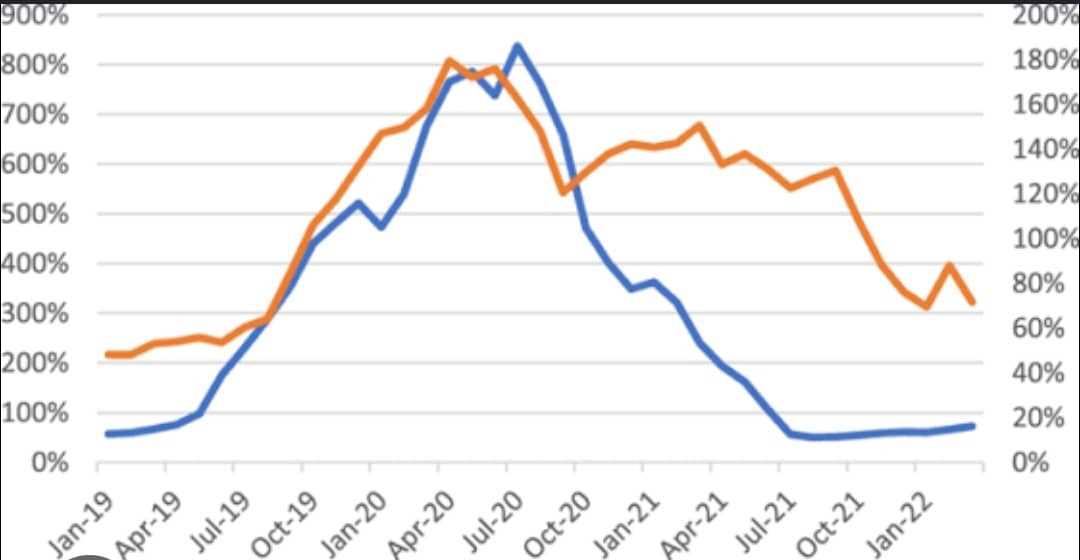
The figures represent a dramatic turnaround from the inflationary environment that characterised Zimbabwe's economy over the past two decades. By the end of 2025, annual ZiG inflation stood at about 15%, but a combination of restrained money supply growth, a relatively stable exchange rate, and the introduction of the gold-backed ZiG has pushed inflation into sustained single digits throughout 2026.
The latest data suggest that inflationary pressures are continuing to moderate despite increases in some household expenses.
According to ZimStat, rentals, housing costs, and utilities—including fuel and gas—were the main drivers of price increases in July, indicating that inflation is increasingly concentrated in essential services rather than broad-based price increases across the economy.
The July figures build on trends observed a month earlier. In June, annual ZiG inflation had risen slightly from 4.4% in May to 4.7%, while annual USD inflation increased from 2.8% to 3.1%.
Month-on-month inflation also remained subdued. In June, ZiG monthly inflation measured 0.6%, marginally higher than 0.5% in May, while USD monthly inflation slowed to 0.1% from 0.3% the previous month.
ZimStat reported that housing, water, electricity, gas, and other fuels accounted for most of the increase in the ZiG Consumer Price Index during June, while furniture and household equipment were the principal contributors to inflation measured in US dollars.
The divergence in inflation drivers reflects Zimbabwe's dual-currency economy. Prices charged in ZiG are more sensitive to regulated services, utilities, and housing costs, while many USD-priced goods are imported consumer products whose prices depend on international supply chains and exchange rate movements.
The decline in annual ZiG inflation to 3.2% places Zimbabwe among countries currently recording relatively low inflation—a remarkable shift for an economy that once experienced one of the world's worst hyperinflation crises. It also gives policymakers greater room to focus on economic growth, investment, and industrial production rather than emergency price stabilisation.
Related Stories
However, the figures also highlight the changing nature of inflationary pressures. While overall inflation has eased considerably, the sectors still recording price increases account for a significant share of household expenditure. Rising rentals, electricity, fuel, and gas costs have a disproportionate impact on low-income households because these are essential expenses that cannot easily be reduced.
The latest inflation data also come as the Government prepares fresh measures aimed at deepening the use of the Zimbabwe Gold currency across the economy, signalling that authorities are shifting their focus from stabilising the currency to increasing its circulation and use.
Finance Minister Professor Mthuli Ncube says the Government will expand the range of taxes payable exclusively in ZiG as part of an ongoing strategy to strengthen demand for the local currency and reduce reliance on the US dollar.
The measures, expected to be announced in the 2026 Mid-Term Budget Review, form part of the Government's broader roadmap towards a mono-currency system.
"Treasury will expand the range of taxes that will be paid in ZiG in order to increase demand for the local currency," Prof Ncube said.
He added: "ZiG has remained stable, and increasing its use is key to sustaining confidence and circulation."
The announcement represents an important shift in policy. Until now, authorities have largely relied on tight monetary policy, controlled money supply growth, and exchange rate stability to support the ZiG. Expanding ZiG-only tax obligations introduces a fiscal mechanism that creates continuous demand for the currency by requiring individuals and businesses to acquire and hold ZiG to meet their tax obligations.
Economists generally regard such measures as one way of strengthening a domestic currency because taxes create unavoidable demand for legal tender. The strategy could increase the circulation of ZiG, improve liquidity in the local currency, and gradually reduce the economy's heavy dependence on the US dollar.
However, its long-term success will depend on maintaining confidence in the currency through continued price stability, prudent fiscal management, and exchange rate discipline. If inflation or exchange rate instability were to return, compulsory demand alone would be unlikely to sustain confidence.
For businesses, sustained low inflation improves planning, budgeting, and long-term investment decisions by reducing uncertainty over input costs and pricing. Stable prices also support the Government's broader objective of increasing confidence in the ZiG currency and encouraging greater use of the local unit in domestic transactions.







Leave Comments