




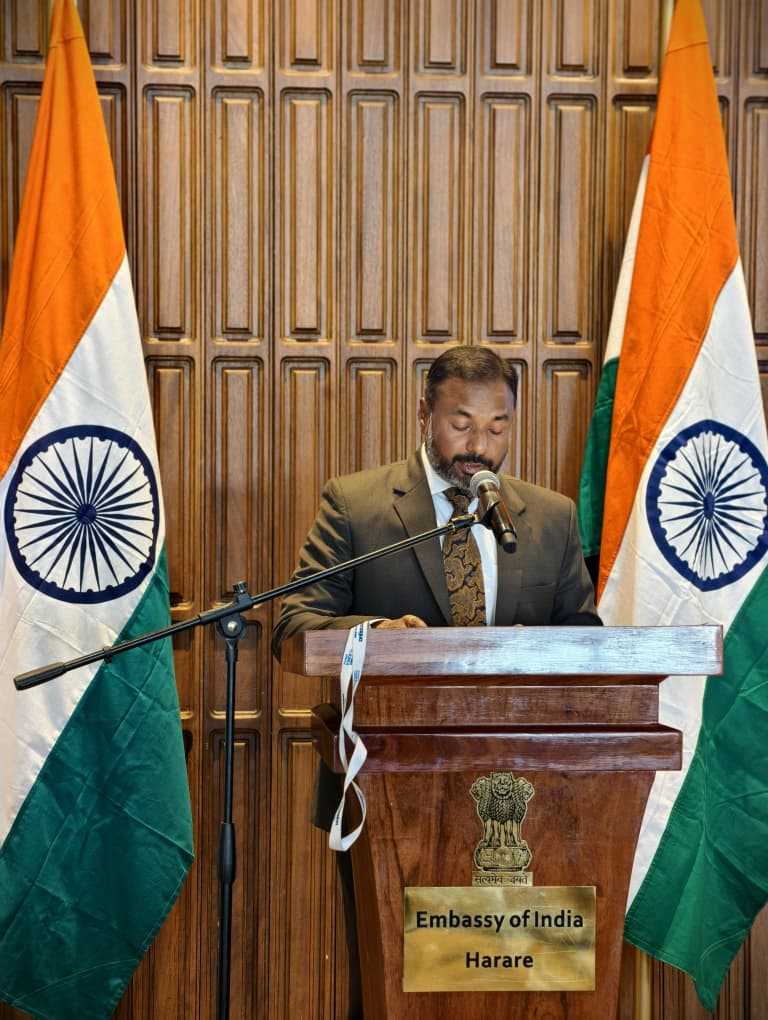




Inside a hotel conference room, civil servants attentively take notes on empathy, respect, and clear communication as part of the Public Service Commission's Pensions Awareness and Capacity Building Exercise Programme.
Yet outside the workshop doors, the contrast could not be starker. For thousands of public servants across Zimbabwe, the central issue affecting their welfare is not a lack of customer service etiquette, but a deepening administrative, operational, and structural economic crisis that polite words cannot resolve.
While the PSC roadshow frames its multi-day training around administrative efficiency and client-focused service delivery, a critical examination of its core operational modules exposes a severe structural disconnect. The promise of faster claims processing made during medical aid sessions collides directly with the reality on the ground.
The Public Service Medical Aid Society (PSMAS) has been crippled by governance challenges, severe liquidity shortages, and an estimated US$47 million in contribution arrears. Independent research on health financing indicates that up to 72 percent of PSMAS members report experiencing or fearing provider rejections, as private doctors, specialists, and pharmacies across the country routinely reject PSMAS medical cards because of unpaid claims. As a result, civil servants who pay mandatory monthly contributions are often forced to pay cash upfront in foreign currency or forgo critical healthcare altogether.
A similar disconnect defines the Commission's focus on customer care for retirees. Empathy training for staff serving former workers does little to address the severe, long-term erosion of pension payouts. Successive currency depreciations and inflationary cycles have repeatedly wiped out the real purchasing power of state pensions, leaving elderly former public officers receiving monthly payouts that fail to cover basic groceries, electricity, and prescription medication.
Public sector union representatives have repeatedly highlighted that polite assistance at a regional office cannot offset a pension structure that leaves retirees in economic distress.
Related Stories
"Many civil servants and retirees earn salaries and pensions that cannot sustain a household beyond a few days each month, forcing them into cycles of debt and informal survival strategies," observed Chiedza Mlingo, deputy national chairperson of the Civic Defence Forum, during a recent labour forum.
Furthermore, the promotion of loan facilities through the Government Employees Mutual Savings Scheme attempts to manage employees' financial stress through microcredit rather than structural wage reform.
Public sector trade unions representing teachers, health workers, and administrators have consistently argued that civil servants do not need additional debt facilities to meet basic living expenses; they need living wages indexed to the real cost of living. Promoting loan products to underpaid workers risks trapping them in cycles of debt to supplement salaries that fail to keep pace with the cost of living.
As labour watchdogs at the Zimbabwe Constitutional Movement noted in their recent assessment of civil service welfare, "Despite their invaluable contributions, the conditions faced by workers reflect a state of ongoing crisis where inflation continues to erode wages, pensions, and savings, leaving workers increasingly vulnerable."
Ultimately, the PSC's capacity-building roadshow highlights a familiar administrative approach that prioritises procedural awareness and customer service training over fundamental institutional reform.
Without stabilising the real purchasing power of pensions, restoring the solvency and acceptance of PSMAS cards, and delivering living wages, regional workshops risk functioning as polished public relations exercises rather than meaningful interventions for struggling public servants.








Leave Comments