






The Zimbabwe Council of Churches (ZCC) has challenged Christian leaders to confront internal divisions, prejudice and silence within the Church, arguing that it cannot credibly speak against injustice in society while failing to address its own shortcomings.
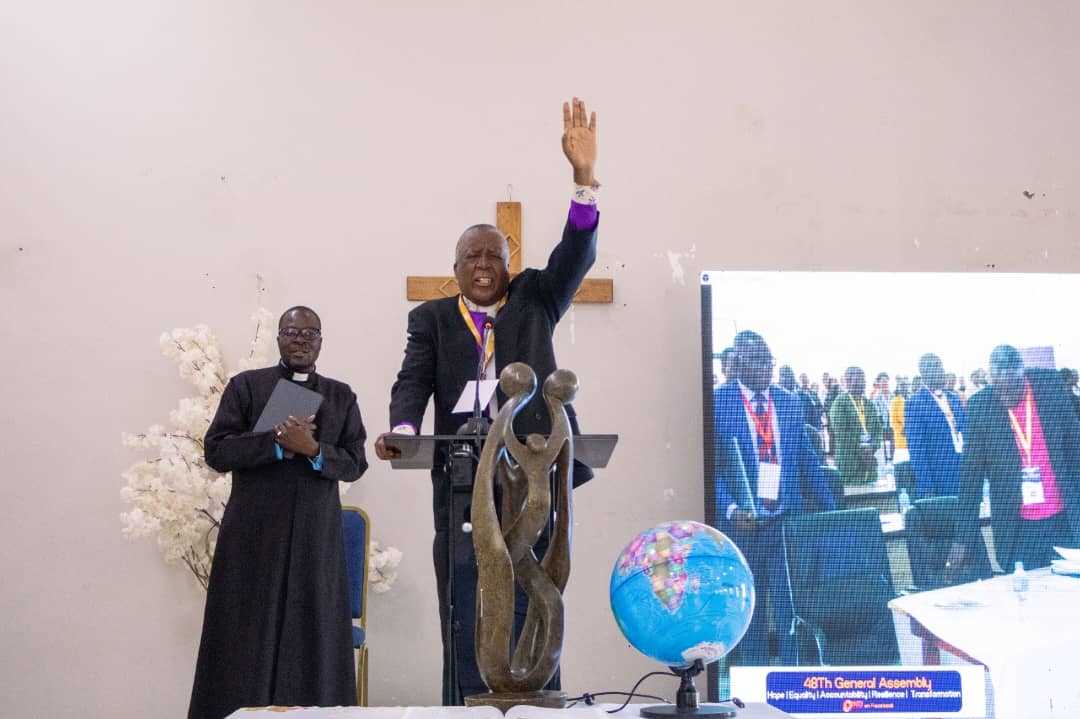
The call came at the opening of the ZCC's 48th Biennial General Assembly in Harare, where delegates adopted the theme, "Breaking Walls: Christ the Wall Breaker," focusing on the Church's role in fostering reconciliation, social cohesion and justice.
Delivering the opening sermon, President of the All Africa Conference of Churches, Rev. Lydia Neshangwe, urged delegates to begin transformation through self-examination rather than by pointing fingers at society.
"We are the walls, the root cause of the walls, the accomplices in wall-building. If we are to break down the walls, we must start with ourselves," she said.
Neshangwe said that while churches are frequently called upon to address conflict, inequality and injustice, they must first confront barriers created by silence, exclusion, prejudice and complacency within their own institutions.
She called on the Church to emulate Christ by becoming "an instrument of reconciliation, healing and justice," arguing that credible public witness begins with internal transformation.
Related Stories
Her remarks come at a time when Zimbabwe continues to face political polarisation, economic hardship and declining public trust in institutions. Churches have historically played influential roles in mediating national dialogue, advocating for peace and providing humanitarian support, but they have also faced criticism over perceived divisions and inconsistent responses to governance and human rights issues.
Welcoming delegates, ZCC General Secretary Rev. Wilfred Dimingu described the General Assembly as "a sacred space for discernment," while ZCC President Bishop Ignatious Makumbe called on churches to remain united as they respond to the country's changing social and economic realities.
The message was reinforced by World Council of Churches General Secretary Rev. Jerry Pillay, who said the Church must not withdraw from public life while communities continue to face social and economic challenges.
According to the ZCC, Pillay challenged churches to remain prophetic in promoting peace, social cohesion, justice and sustainable development, warning that "the Church cannot retreat into private spirituality while communities continue to struggle with conflict, inequality and injustice."
The discussions extended beyond theology to national concerns. Delegates identified economic injustice, social fragmentation, the exclusion of women and young people, weakening social cohesion and declining public trust as some of the major "walls" confronting Zimbabwean society. They concluded that a prophetic Church must first embody the reconciliation it seeks to promote.
Similarly, former World Council of Churches Acting General Secretary Rev. Prof. Ioan Sauca has argued that "there can be no peace without justice, and no justice without dialogue," maintaining that churches have a responsibility to facilitate reconciliation in societies experiencing conflict and inequality.







Leave Comments