








More Than Bags of Cash
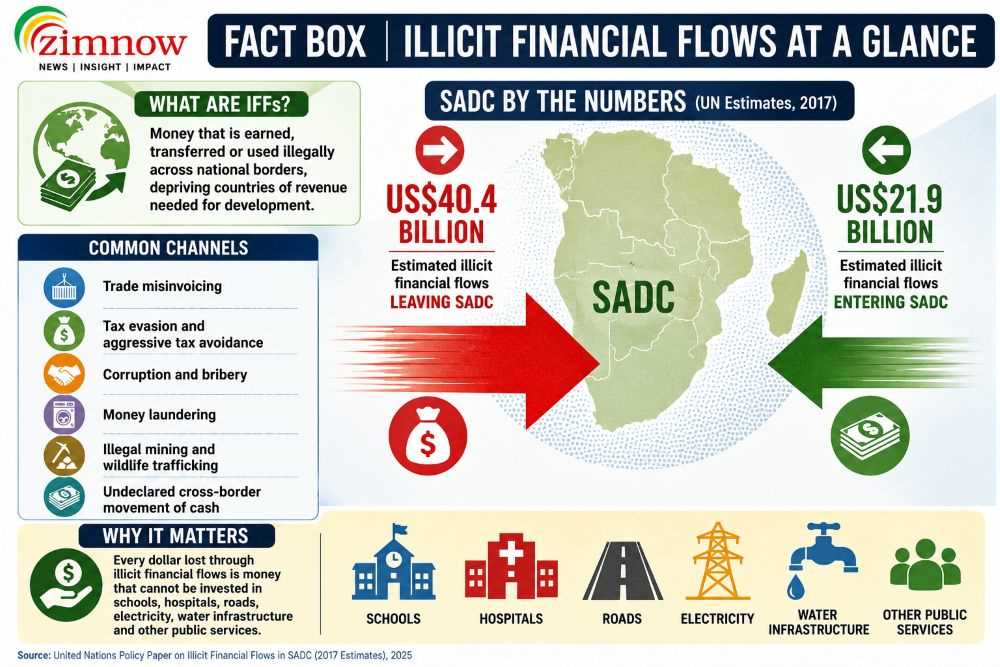
Experts caution that cash smuggling represents only one visible manifestation of illicit financial flows.
Far larger amounts are believed to move through sophisticated mechanisms such as under- or over-invoicing imports and exports, profit shifting, tax evasion, corruption, illegal exploitation of natural resources and the laundering of criminal proceeds through financial institutions.
Trade misinvoicing alone is considered one of the largest drivers of illicit financial flows globally because it allows money to cross borders disguised as legitimate commercial transactions.
SADC Strengthens Its Response
Recognising the growing economic threat, SADC has begun embedding the fight against illicit financial flows into its regional financial governance framework.
The SADC Protocol on Finance and Investment already commits member states to cooperate on anti-money laundering and the harmonisation of financial systems to safeguard regional markets.
In 2024, SADC's Anti-Money Laundering and Combating the Financing of Terrorism (AML/CFT) Committee recommended amendments to Annex 12 of the Protocol, marking one of the region's strongest coordinated responses to illicit financial flows.
The proposed measures include:
- incorporating Illicit Financial Flows into every member state's National Risk Assessment;
- recognising unexplained wealth within regional financial crime frameworks;
- strengthening cooperation among Financial Intelligence Units;
- aligning regional laws with the African Union Convention on Preventing and Combating Corruption and international Financial Action Task Force (FATF) standards.
The reforms are intended to improve the region's ability to detect, investigate and prevent illicit financial flows before they undermine investment, tax revenues and economic growth.
A Regional Concern
Related Stories
SADC officials say financial crime has become increasingly organised and requires coordinated regional action.
Sadwick Mtonakutha, SADC Director of Finance, Investment and Customs, said:
"The SADC Secretariat pays special attention to the agenda of the fight against AML/CFT in the region... actions at this level will continue to be crucial due to the constant increase in money laundering crimes, exacerbated by the escalation of criminal networks in the region and beyond."
Similarly, Clement Kapalu, Chairperson of the SADC AML/CFT Committee and Director General of Zambia's Financial Intelligence Centre, described regional cooperation as essential.
"This inaugural Committee will herald an era to combat the infestation of financial vices which inhibit the development of the SADC region through coordination and cooperation."
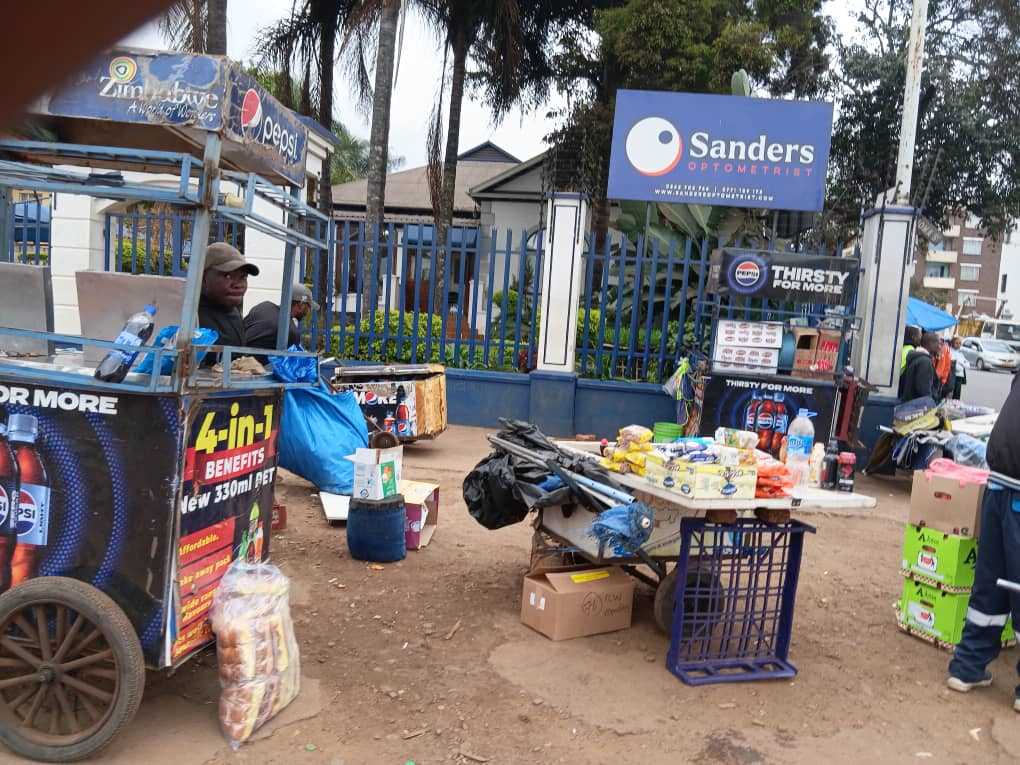
The issue carries particular relevance for Zimbabwe. The country has one of the region's largest informal economies, extensive cross-border trade, significant US dollar cash circulation and is a major producer of gold and other minerals.
These characteristics support economic activity but can also create opportunities for illicit financial flows if regulatory oversight is weak.
The United Nations recommends strengthening customs systems, improving transparency in extractive industries, expanding digital payments, enhancing financial intelligence units and increasing cooperation between neighbouring countries to reduce illicit financial flows.
More Than a Malawian Story
Whether the US$1.1 million seized in Malawi ultimately proves to have been legally held or represents the proceeds of crime will be determined through the country's judicial process. Regardless of the outcome, the case has already served another purpose.
It has highlighted the growing determination among SADC governments to close the channels through which illicit financial flows drain billions of dollars from Southern African economies each year.
As SADC moves to strengthen cooperation under the Protocol on Finance and Investment, the question is no longer whether illicit financial flows pose a regional threat.
The real challenge is whether member states can translate new regional commitments into coordinated enforcement capable of keeping more of Africa's wealth working for Africans rather than disappearing across its borders.





Leave Comments