





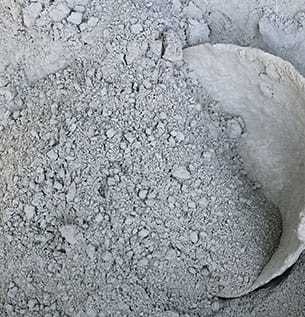
Zimbabwe’s cement industry is entering a defining phase as soaring construction demand, rising imports and a new wave of multi-million-dollar investments test the country’s ability to sustain industrial growth and meet infrastructure needs.
The Chegutu cement plant's march towards commissioning in August comes at a critical moment for Zimbabwe's construction industry.
While Shuntal Investment's US$120 million project is now 90% complete and expected to produce 800,000 tonnes of cement annually, the bigger story extends far beyond a single factory. It is about whether Zimbabwe's growing pipeline of cement investments can finally catch up with a construction boom that has driven imports to record levels and exposed weaknesses in the country's industrial supply chain.
New trade data shows Zimbabwe imported US$12.02 million worth of Portland cement in April 2026, the highest monthly import bill recorded since at least January 2021 and more than eight times the US$1.46 million recorded five years earlier.
The surge tells a story that appears contradictory at first glance.
Zimbabwe's established producers — PPC Zimbabwe, Khayah Cement Zimbabwe and Sino Zimbabwe Cement Company — collectively possess installed production capacity exceeding two million tonnes annually. National cement demand, meanwhile, is estimated at between 1.3 million and 1.5 million tonnes per year.
On paper, the country should be producing enough cement to meet domestic demand.
Instead, it is importing record quantities.
The gap highlights one of the central challenges facing Zimbabwe's industrial sector: the difference between installed capacity and effective output.
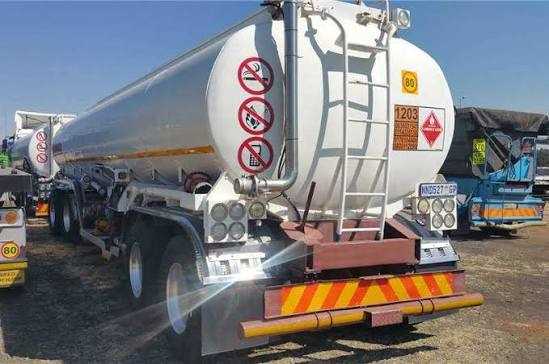
In recent years, production has been affected by equipment breakdowns, power supply disruptions, clinker shortages and financial difficulties among some producers.
The consequences became visible in late 2025 when cement prices jumped by 42% over two months as demand outpaced available supply.
The Ministry of Industry and Commerce attributed the shortages to surging construction activity, limited local production and constrained imports.
The demand side of the equation is relatively easy to explain.
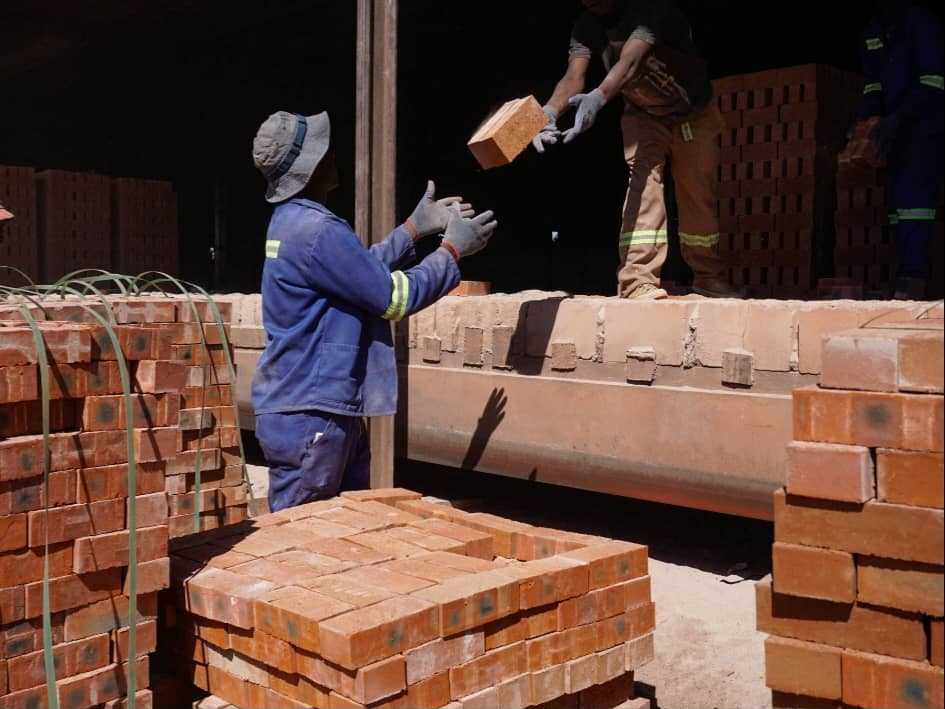
Government infrastructure projects, road rehabilitation programmes, dam construction, mining investments and a residential building boom have all increased cement consumption.
Diaspora-financed housing projects continue to drive construction activity across Harare's northern suburbs, while mining expansion has created demand for cement-intensive infrastructure ranging from processing plants to accommodation facilities and supporting roads.
PPC Zimbabwe's latest financial results provide further evidence of strong market demand.
Related Stories
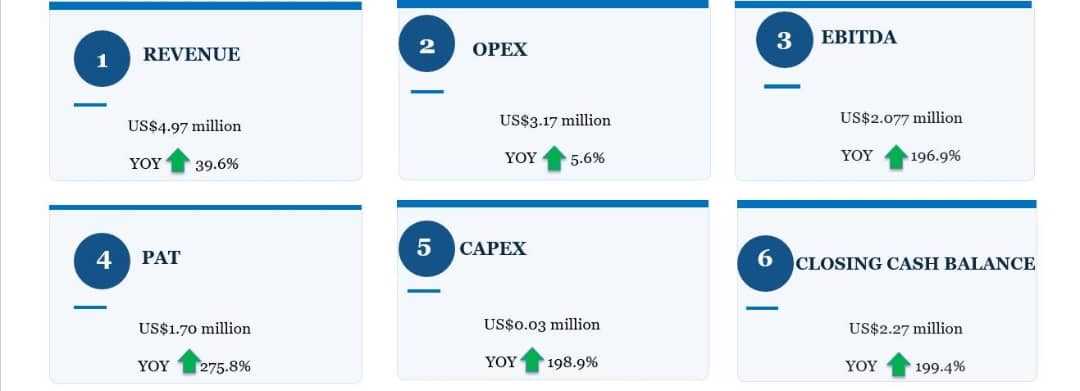
The company reported an 18.2% increase in sales volumes during its 2026 financial year, helping drive record earnings and prompting discussions around additional production capacity.
Speaking recently, PPC Africa Chief Executive Officer Matias Cardarelli said the company was already preparing for future demand growth.
"In cement, you can't just think for the next 2-3 years, you need to think for the next 20 years," Cardarelli said as PPC confirmed it was exploring plans for a new cement plant in partnership with Sinoma Overseas Development.
The industry's investment pipeline suggests other players share that long-term optimism.
Beyond the Chegutu project, Uganda-based Hima Cement has committed US$60 million towards rehabilitating Khayah Cement following the company's corporate rescue process.
Sino Zimbabwe Cement has resumed production after operational disruptions, while Nigerian billionaire Aliko Dangote has announced plans that include a proposed 1.5 million-tonne-per-year cement plant as part of a broader US$1 billion investment package.
The largest proposed project remains the WIH Zim Cement plant in Magunje, which has reported planned cement production capacity of 1.2 million tonnes annually alongside clinker production capacity of 1.8 million tonnes.
However, the project remains entangled in regulatory and legal disputes after the Environmental Management Agency ordered construction to stop over alleged environmental compliance violations.
Taken together, the projects represent one of the largest waves of industrial investment in Zimbabwe's recent history.
The question now confronting policymakers is whether new capacity will arrive quickly enough to prevent future shortages.
The Chegutu plant alone would add 800,000 tonnes of annual production capacity to a market currently consuming between 1.3 million and 1.5 million tonnes. If it reaches full operational capacity, it could significantly reduce import dependence.
Yet history suggests commissioning a plant is only the beginning.
Zimbabwe's cement industry has repeatedly demonstrated that installed capacity does not automatically translate into reliable production. Equipment maintenance, clinker availability, electricity supply and operational efficiency remain equally important.
Industry officials have previously identified clinker shortages as a critical bottleneck, with PPC currently the country's only major clinker producer. Without sufficient clinker supplies, cement manufacturers either reduce output or rely on imports, both of which increase costs.
The country's long-term outlook nevertheless remains attractive.
Current cement consumption translates to roughly 79 to 91 kilograms per person annually, significantly below the sub-Saharan African average of about 120 kilograms and far below consumption levels in many middle-income economies.
That gap suggests Zimbabwe's demand for cement could continue growing if urbanisation, industrialisation and infrastructure development remain on their current trajectory.







Leave Comments