









In boxing, the cheers usually belong to the fighters. Their triumphs and heartbreaks dominate headlines, while referees and judges quietly slip into the background—noticed only when controversy erupts.
Yet those entrusted with enforcing the rules remain among the sport's most indispensable figures, safeguarding not only fairness but also the safety of every boxer who climbs through the ropes.
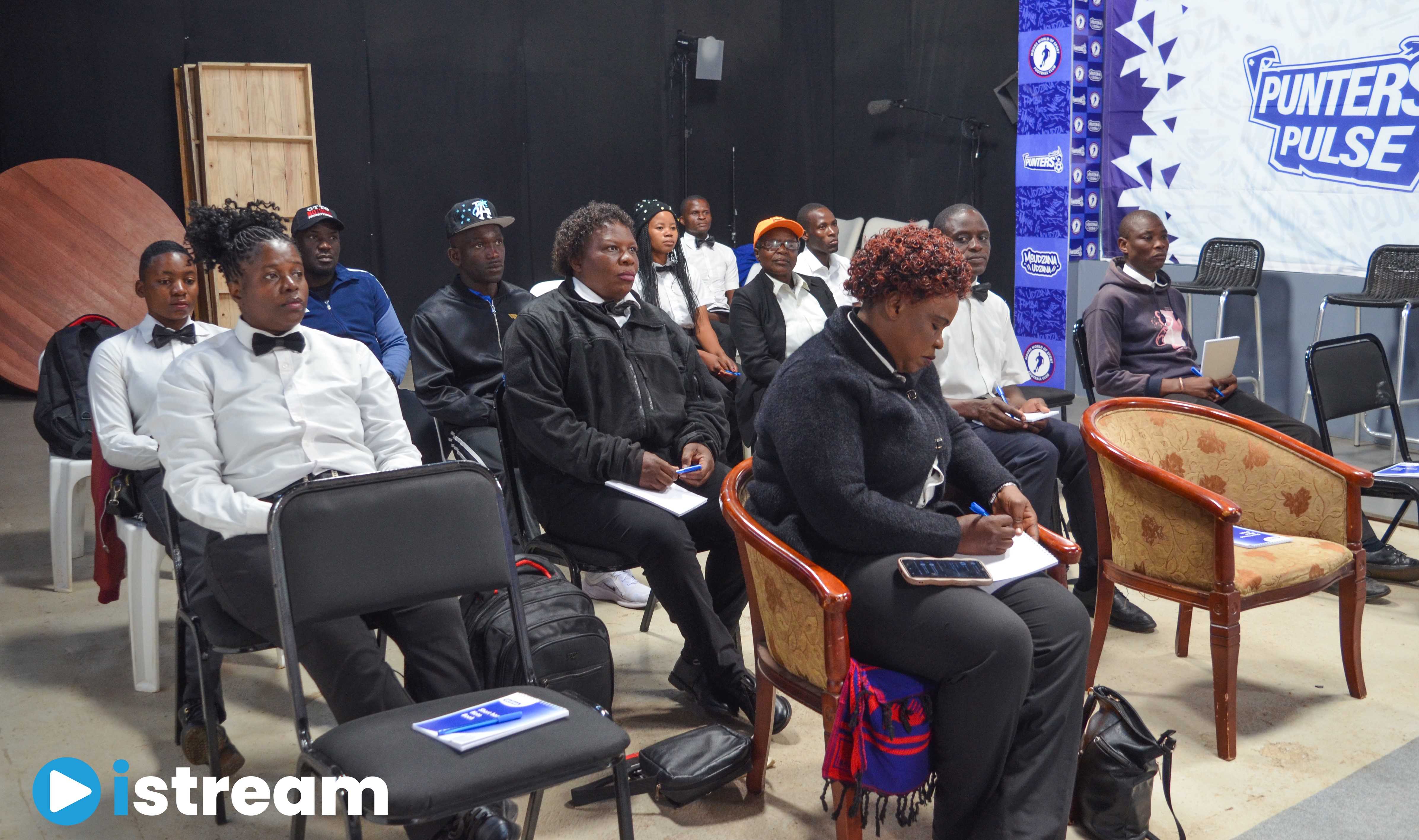
Recognising that reality, the Zimbabwe Boxing Federation (ZBF), with sponsorship from MWOS One Community, convened a one-day Amateur Boxing Referees and Judges Refresher Course at iStream Studios at the Borrowdale Racecourse in Harare on Saturday.
The programme brought together 15 officials—eight men and seven women—from Harare, Mashonaland West and Mashonaland Central, reaffirming the federation's commitment to continuous professional development while encouraging greater gender representation within boxing officiating.
For MWOS One Community, whose investment in Zimbabwean sport focuses on grassroots development, the course represented far more than a routine training session.
Opening the workshop, MWOS One Community representative David McAllister said officiating was one of the foundations upon which the future of Zimbabwean boxing would be built.
"MWOS One Community exists to invest in the grassroots of Zimbabwean sport—not just the headline moments, but the foundations that make them possible.
"Officiating is one of those foundations. Well-trained, confident referees are what allow young fighters to compete safely, fairly and with the belief that the sport is run properly," he said.
His remarks reflected a philosophy increasingly gaining traction across the international boxing community—that sustainable success depends as much on the quality of officials as on the quality of athletes.
McAllister thanked course facilitator Takesure Kwangwari for sharing his expertise, while also acknowledging Jason Seremwe and iStream Studios for providing the venue that hosted the day's proceedings.
Importantly, he linked the course to MWOS One Community's broader ambition of helping establish professionally organised Fanzone Fight Night events.
"Great boxing needs great officiating, and that starts with the men and women in this room.
"Every well-judged bout protects the fighters, upholds the standard of the sport, and builds the trust that events like Fight Night are built on," McAllister said.
For Kwangwari, one of Zimbabwe's most respected technical officials, the workshop was never about teaching beginners. Instead, it was about ensuring experienced referees and judges remain current with evolving interpretations of amateur boxing rules.
"These are already qualified officials. However, we should keep on reminding them about the rules of the game," he explained.
The emphasis on continuous learning mirrors international best practice, where even elite officials undergo regular assessments and refresher programmes to maintain consistency across competitions.
Kwangwari described referees and judges as "the custodians of the tournament," arguing that every boxing contest ultimately depends on the competence of those responsible for interpreting the rules.
"If we have good officials who really know and understand the rules, it automatically means that we have the finished product, which is the competition and how games are judged and the winners are determined," he said.
Also in attendance was the ZBF vice-president, Ennet Kanyara, who also chairs the referees committee within the federation.
Throughout the day, participants revisited the technical aspects that define quality officiating.
Related Stories
Sessions covered correct scoring techniques, identification of legal scoring punches, interpretation of infringements, referee positioning inside the ring and the application of competition rules under different scenarios.
While spectators often judge a contest by aggression or crowd excitement, Kwangwari noted that officials must apply a far more disciplined and objective framework.
"The spectators want to see boxing. They want to see the winners, but they don't know how scores are determined," he observed.
Officials, therefore, must consistently apply internationally recognised judging criteria regardless of crowd reaction or public opinion.
Among the areas receiving particular attention was ring positioning, a technical skill often overlooked by casual observers but critical to ensuring referees have an unobstructed view of exchanges.
"As long as the referee is not correctly positioned, he or she might miss some of the technicalities found in boxing, which might not give the correct picture of the contestants," Kwangwari explained.
The course also formed part of Zimbabwe's wider ambition to raise domestic officiating standards to match the country's growing international reputation.
Zimbabwean officials have increasingly earned appointments at continental and global competitions, but Kwangwari believes excellence abroad must be reflected at home.
"We should also have the quality of officials which would be exemplary to what we are doing internationally," he said.
Although satisfied that the country's officials operate above average, he stressed there could be no room for complacency.
"We still need to equip them with knowledge so that they keep aiming high."
That philosophy resonates well beyond Zimbabwe.
Across Africa, boxing federations continue investing in the development of technical officials as the sport evolves under modern governance structures and heightened expectations around athlete welfare, transparency and consistency in judging.
The presence of seven women among the fifteen participants further underscored efforts to broaden opportunities for female officials within Zimbabwean boxing, reflecting an international movement towards greater gender balance across technical roles in sport.
Rather than viewing officiating as a secondary component of boxing, organisers insist it should be regarded as one of its most strategic investments.
Every correctly awarded point, every timely intervention to protect an injured boxer and every impartial verdict reinforces confidence in the sport.
For young athletes beginning their amateur journeys, that confidence can mean the difference between remaining in boxing or walking away from it.
It is precisely this long-term perspective that continues to drive MWOS One Community's involvement.
By investing in the people who safeguard the integrity of competition—not only those who compete—it hopes to contribute to a stronger, more credible boxing ecosystem capable of producing international-calibre athletes, coaches and officials alike.
As Zimbabwe continues rebuilding its amateur boxing structures, Saturday's refresher course served as a reminder that the future of the sport will not be determined solely by the power of a champion's punch.
It will also depend on the quiet professionalism of the men and women standing just a few feet away, ensuring every contest is conducted safely, fairly and according to the rules.






Leave Comments