







Traditional leaders from across Zimbabwe have pledged to intensify efforts to tackle adolescent pregnancies, child marriages and other harmful practices amid growing concern over rising rates of teenage pregnancy that health experts say are threatening the future prospects of thousands of girls.
The commitments emerged from a two-day High-Level Chiefs Indaba in Gweru organised by the United Nations Population Fund, the Ministry of Health and Child Care, the National AIDS Council and the Young People's Network on Sexual and Reproductive Health, HIV and AIDS.
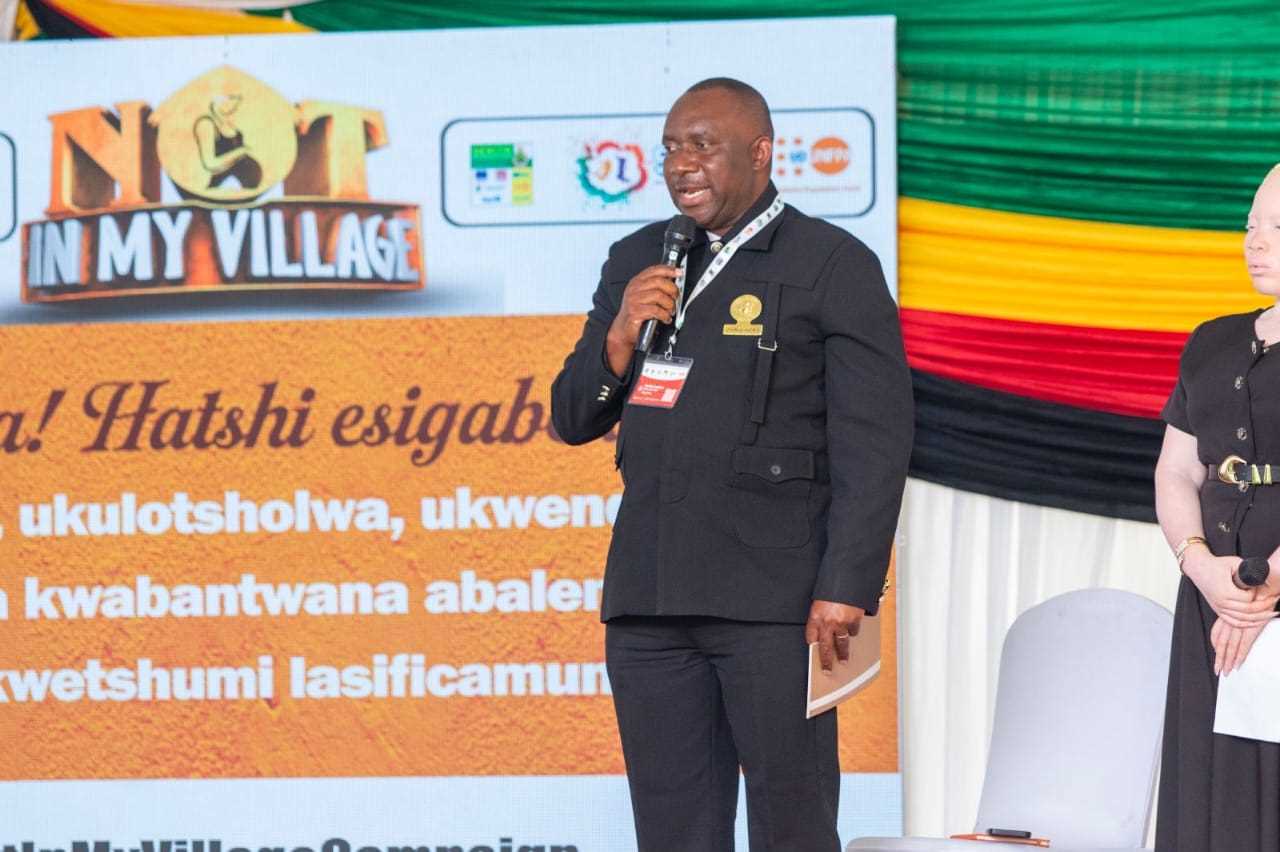
The gathering brought together chiefs from across the country to assess progress under the "Not In My Village" campaign and identify ways of strengthening community-led responses to adolescent pregnancies.
The meeting comes at a time when Zimbabwe is grappling with a worsening adolescent pregnancy challenge.
According to the National Assessment of Adolescent Pregnancies in Zimbabwe, the prevalence of adolescent pregnancy rose from nine percent in 2016 to 22 percent in 2023, representing a dramatic increase over seven years. More than 358,000 pregnancies among girls aged 10 to 19 were recorded through antenatal care bookings between 2019 and 2022.
The consequences extend beyond childbirth.
Research by the United Nations Children's Fund found that more than one in five girls in Zimbabwe gives birth before the age of 19, while adolescent pregnancies remain a significant contributor to school dropouts, poverty and poor health outcomes. One quarter of maternal deaths in the country occur among adolescents and young women under the age of 24.
Against this backdrop, traditional leaders are increasingly being viewed as a critical part of the solution.
Throughout the Indaba, government officials, health experts and development partners stressed that chiefs occupy a unique position within communities where many of the social norms and cultural practices linked to adolescent pregnancy are formed and reinforced.
The United Nations Population Fund said the gathering was intended to strengthen community accountability and reinforce the role of traditional leaders in protecting girls' rights, health and futures.
Related Stories
Reflecting on the campaign's progress, participants highlighted the influence chiefs have in discouraging child marriages, promoting school attendance and mobilising communities around adolescent wellbeing.
In his remarks, United Nations Population Fund Deputy Representative Aboubakar Cisse commended traditional leaders for their continued involvement in efforts to tackle adolescent pregnancies, child marriages and gender-based violence.
"He commended chiefs for championing the Not In My Village campaign and for using their influential leadership to protect the rights, health, and future of adolescents, especially girls. He noted that traditional leaders are uniquely positioned to drive social and behavioural change."
The emphasis on community leadership reflects findings from recent research which show that adolescent pregnancies are driven by a complex mix of poverty, child marriage, gender inequality, sexual violence and harmful social norms. The National Assessment of Adolescent Pregnancies found that many girls face pressure from economic hardship, limited access to information and weak protection systems.
Child marriage remains a major concern.
United Nations Children's Fund data shows that more than 20 percent of girls aged 15 to 19 in Zimbabwe are married or in a union, with rates significantly higher in rural areas than urban centres. Poor households are disproportionately affected, making adolescent pregnancy both a health issue and a development challenge.
The focus on chiefs also reflects a recognition that laws and policies alone have struggled to eliminate the problem.
Zimbabwe has enacted legislation aimed at protecting children from early marriage and exploitation, but implementation often depends on what happens at community level where traditional leaders exercise considerable influence over local affairs.
Participants at the Indaba therefore placed strong emphasis on prevention rather than response.
Among the commitments made were strengthening community surveillance and accountability systems, promoting school retention and re-enrolment for girls, encouraging greater parental involvement in discussions about adolescent wellbeing and taking action against practices that place girls at risk.
Traditional leaders also pledged closer collaboration with health workers, schools, law enforcement agencies, faith leaders and young people to ensure adolescents have access to information, protection and essential services.
The discussions coincided with the recent launch of Zimbabwe's National Multi-Sectoral Framework for the Prevention and Management of Adolescent Pregnancies, which seeks to coordinate action across government ministries, communities, development partners and civil society organisations. Speaking at the launch last week, United Nations Population Fund Country Representative Miranda Tabifor described adolescent pregnancy as one of Zimbabwe's most pressing development challenges and said the issue represented "interrupted dreams" for thousands of girls.







Leave Comments