






Zimbabwe has been identified as one of 22 countries at high risk from an expected strong El Niño weather pattern after the Food and Agriculture Organization and the World Food Programme launched their first-ever joint global appeal seeking US$202 million to protect vulnerable communities before climate shocks escalate into humanitarian crises.
The appeal aims to support 8.8 million people across Africa, Asia, the Pacific, and Latin America through anticipatory interventions designed to reduce the impact of droughts, floods and storms expected during the second half of 2026 and into 2027. Zimbabwe is among 12 African countries prioritised because of its exposure to climate-related food security risks.
The announcement comes as Zimbabwe prepares for what meteorological agencies have warned is an 80% probability of a Super El Niño, a scenario the government has already incorporated into planning for the 2026/27 Summer Production Plan. Cabinet recently approved enhanced strategic grain reserve purchases, expanded climate-smart agriculture programmes and accelerated irrigation development to cushion against the anticipated drought.
According to FAO and WFP, they are already positioned to assist 1.2 million people expected to be affected by El Niño, but an additional US$167 million is required to expand support to another 7.6 million people, bringing total coverage to 8.8 million people across the targeted countries.
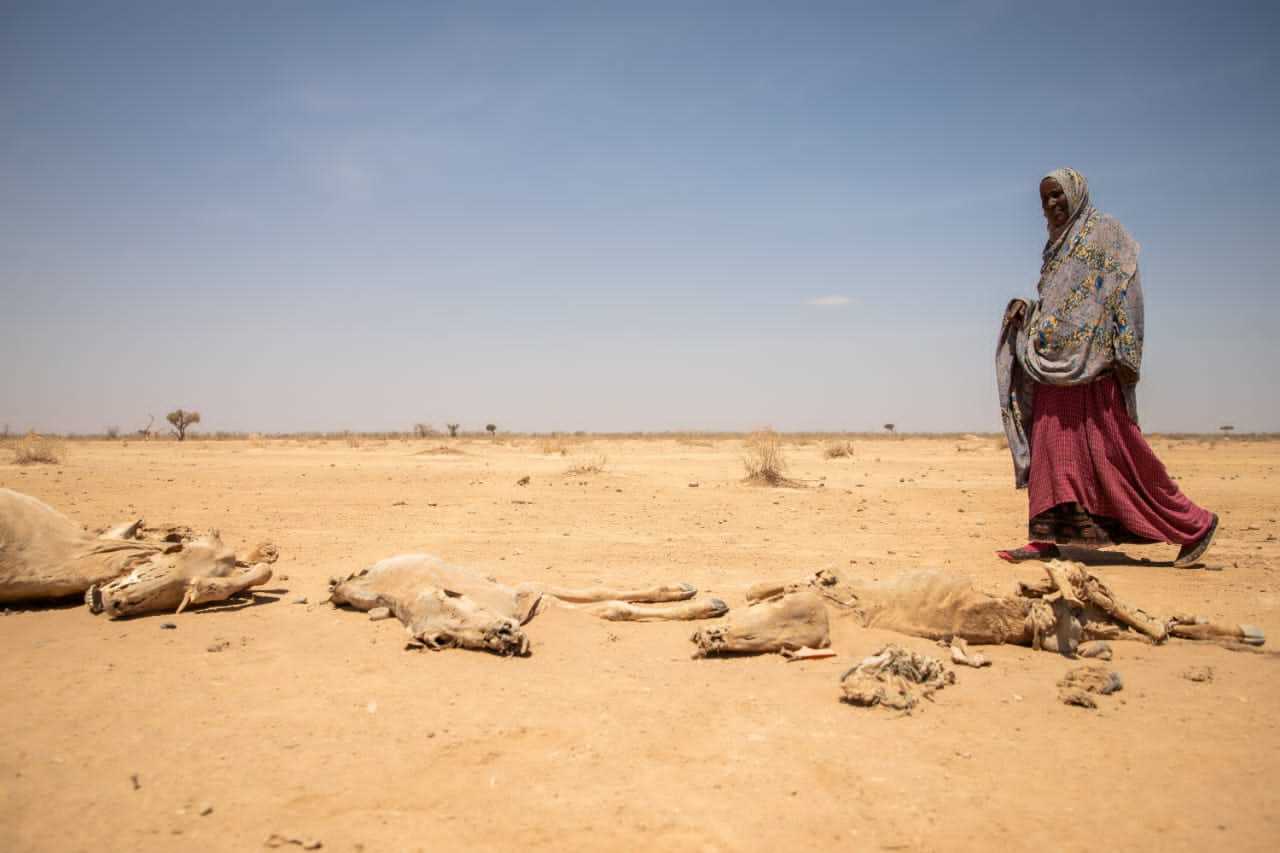
The agencies said strong El Niño conditions are expected to bring below-average rainfall and drought to some regions while increasing the risk of flooding and severe storms in others, threatening agricultural production, water supplies, livestock and household food security.
FAO Deputy Director-General Beth Bechdol said early financing was essential to prevent climate shocks from developing into humanitarian emergencies.
"Experience consistently shows that early action is more effective and less costly than responding after a crisis has escalated," Bechdol said.
Related Stories
"We have the data, the tools and the evidence to identify risks before they become emergencies. The challenge is ensuring that financing is available early enough to act. When resources are available before trigger thresholds are reached, countries can protect food production, reduce humanitarian needs and help families safeguard livelihoods before critical planting, harvesting and livestock production windows are lost."
WFP Acting Executive Director Carl Skau warned that the international community had only a narrow window to intervene before millions of vulnerable households faced another food crisis.
"We cannot afford the fallout of another food crisis."
He added: "With El Niño on the horizon, we have a narrow window to act so families are not forced into impossible choices later... Early action keeps food on the table and protects those at most risk. With the right resources, we can act faster, reduce costs, and reach people before the crisis escalates."
Funding from the appeal will support a package of anticipatory measures including cash transfers, drought-tolerant and flood-resistant seed distribution, livestock protection, water harvesting systems, flood-control infrastructure, agricultural advisories and early warning information tailored to local conditions.
The agencies estimate that every US$1 invested in anticipatory action can generate up to US$7 in avoided losses and emergency response costs, reinforcing growing international support for acting before disasters occur rather than responding after livelihoods have already collapsed.
Zimbabwe has increasingly embraced this approach. During the 2023-2025 regional anticipatory action programme, FAO, WFP, the Government of Zimbabwe and humanitarian partners implemented early warning systems, flood simulations and forecast-based interventions in high-risk districts including Beitbridge, Matobo and Chipinge, helping institutionalise anticipatory action within the country's disaster management framework.








Leave Comments