







Zimbabwe has significantly expanded production of the Theileria Bolvac vaccine, with output tripling to 300,000 doses for 2026 as the country intensifies efforts to combat tick-borne diseases that continue to threaten cattle production and rural livelihoods.
The development was announced by Permanent Secretary in the Ministry of Lands, Agriculture, Fisheries, Water and Rural Development, Obert Jiri, who said the increase represents a major milestone for the livestock sector.
“Zimbabwe’s livestock sector is being strengthened through expanded vaccine production. Theileria Bolvac output has tripled to 300,000 doses for 2026, a major boost in the fight against tick-borne diseases that threaten cattle productivity, farmer incomes and national food security,” Jiri said.
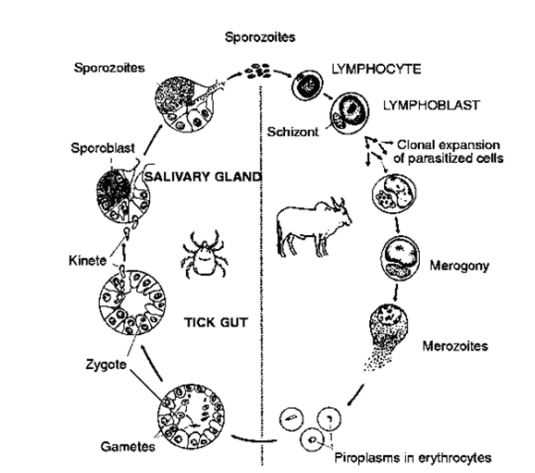
Theileriosis, commonly known as January Disease, remains one of Zimbabwe's most destructive cattle diseases, causing significant livestock losses annually and imposing heavy economic costs on farmers, particularly communal and smallholder producers.
The disease, which is spread by ticks, affects cattle health, productivity and reproduction, while outbreaks can wipe out entire herds if not effectively controlled.
Related Stories
The increase in vaccine production comes as government continues implementing measures aimed at strengthening animal health systems, improving livestock productivity and supporting the broader agriculture-led industrialisation agenda.
Livestock is a critical component of Zimbabwe's agricultural economy, providing income, draught power, meat, milk and household wealth for millions of rural families.
The sector also contributes to food security and supports value chains in meat processing, leather production and related industries.
Agricultural experts have long identified access to vaccines, veterinary services and disease surveillance systems as essential to improving herd quality and reducing losses associated with preventable diseases.
The expansion of Theileria vaccine production is expected to improve availability across the country, helping farmers better protect their herds while reducing the economic impact of disease outbreaks.








Leave Comments