







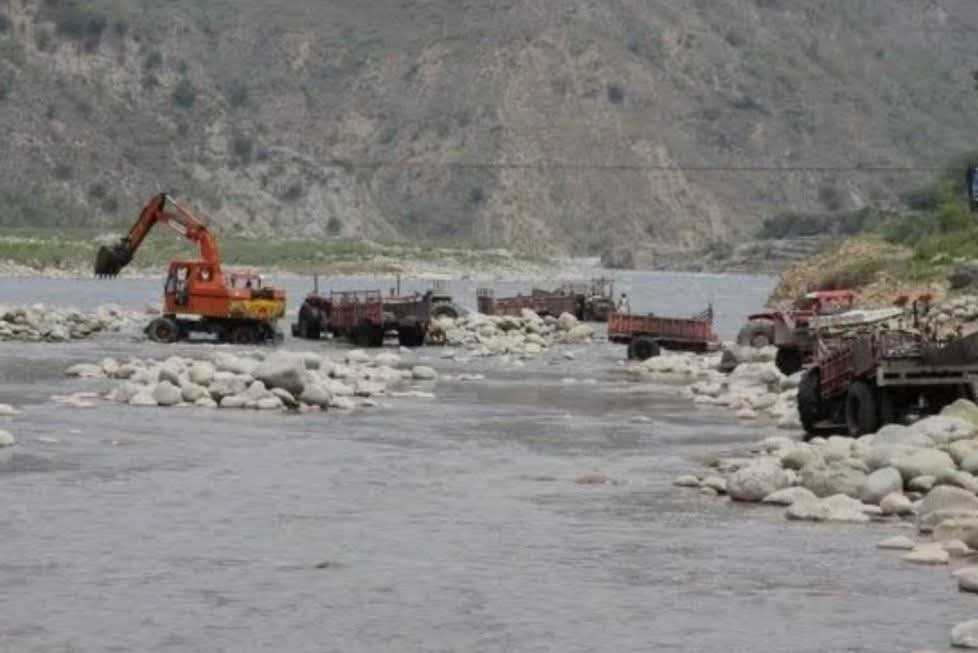
Government has launched an emergency rehabilitation programme targeting rivers degraded by illegal and destructive alluvial mining, with Agriculture, Mechanisation and Water Resources Development Minister Anxious Masuka describing the intervention as critical for protecting Zimbabwe’s water resources, agriculture and ecosystems.
President Emmerson Mnangagwa recently declared a state of disaster on riverine ecosystems affected by alluvial mining activities, paving the way for a nationwide rehabilitation exercise.
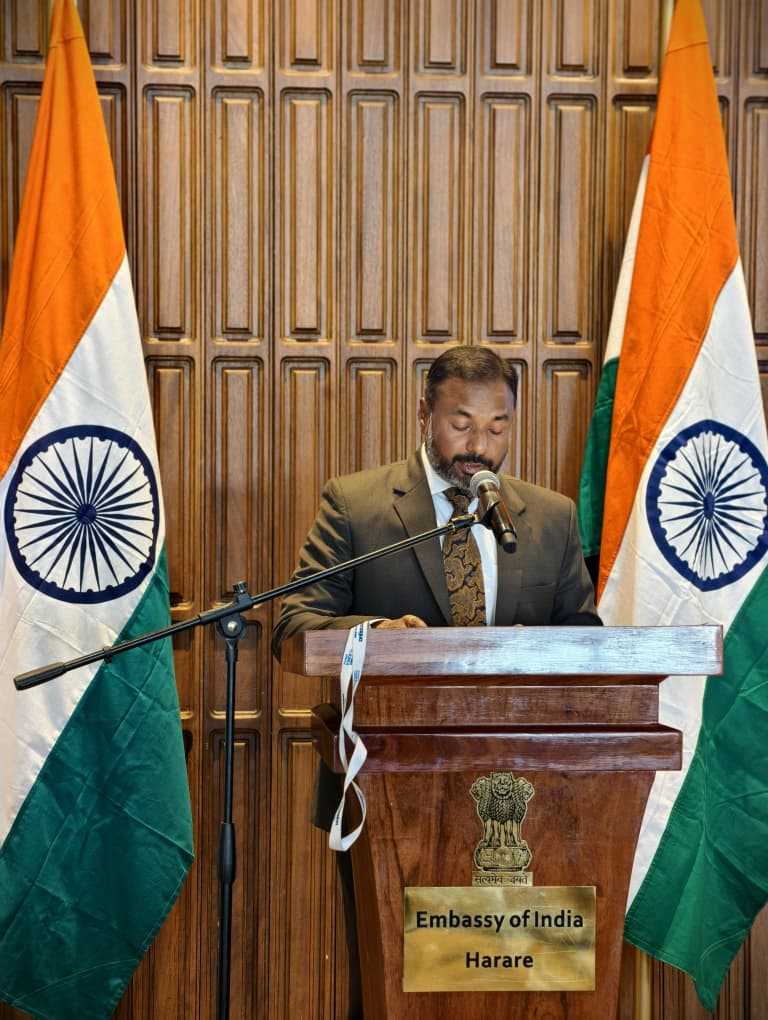
Dr Masuka, who chairs the Inter-Ministerial Committee on Mining and Environment, said the programme marks a decisive effort to reverse years of environmental destruction caused by uncontrolled riverbed mining.
“I am humbled by the President’s bold magnanimity to eliminate this scourge of degradation of rivers from alluvial mining activities to allow ecosystem restoration for agriculture, industry and the environment,” said Dr Masuka.
He warned that mining activities were already threatening major water bodies and irrigation systems across the country.
“For example, areas proximal to Mazowe and Mwenje dams have had to reduce the area under irrigation for winter wheat due to alluvial mining activities and diversion of river systems. In Umzingwane, alluvial mining activities threaten supply of water to Bulawayo, while the Mutare river is choked and diverted thus interrupting water flow. We must act with alacrity, with purpose and boldly to ensure the President’s directive is fully implemented in the short time frame available,” he said.
The declaration was gazetted under Statutory Instrument 91 of 2026, titled Civil Protection (Declaration of State of Disaster: Emergency Riverine Ecosystems Rehabilitation) Notice, 2026.
Government said extensive sections of Zimbabwe’s rivers had suffered severe degradation due to riverbed and alluvial gold mining, resulting in pollution, siltation, destruction of river channels and disruption of aquatic ecosystems.
According to the statutory instrument, rivers earmarked for rehabilitation include Mazowe, Murowodzi, Save, Angwa, Sanyati, Munyati, Mupfure, Umzingwane, Insiza, Mutare, Haroni and Nyamukwarara.
The latest intervention follows a 2024 Cabinet directive that banned riverbed mining nationwide after authorities raised concern over increasing ecological destruction linked to alluvial mining operations.
Related Stories
Cabinet had noted that since the rise of large-scale and mechanised alluvial mining activities in 2011, river systems in several provinces had experienced worsening pollution, siltation and environmental degradation.
In October 2024, Mashonaland West Minister of State for Provincial Affairs and Devolution Marian Chombo also ordered an immediate halt to destructive alluvial gold mining along major rivers in the province, including the Sanyati, Mupfure and Angwa rivers.
Authorities accused some operators of abusing desilting licences issued by the Environmental Management Agency by engaging in unauthorised mining activities.
Under the new framework, Government has established an Inter-Ministerial Committee on Riverine Ecosystems Rehabilitation to oversee implementation of the programme.
A Technical Working Party chaired by the Deputy Chief Secretary to Cabinet will evaluate contractors, monitor projects and coordinate implementation through the Environmental Management Agency, Zimbabwe National Water Authority and provincial mining authorities.
Provincial committees chaired by Ministers of State for Provincial Affairs will supervise implementation at local level alongside EMA, ZINWA, the Zimbabwe Republic Police and Provincial Mining Directors.
The statutory instrument outlines rehabilitation measures that include restoration of natural river channels, riverbank stabilisation, replanting of indigenous vegetation, removal of invasive species, sediment management and continuous water quality monitoring.
Contractors engaged under the programme will be required to demonstrate expertise in hydrology, ecology, environmental engineering and river rehabilitation, while complying with environmental regulations.
Government also introduced strict operational conditions, including prohibiting rehabilitation work during peak rainy seasons and banning the construction of processing plants within 500 metres of riverbanks.
The law further allows approved rehabilitation contractors to recover minerals encountered during rehabilitation activities under strict supervision by mining authorities.
However, authorities stressed that the rehabilitation programme “must not be used as a cover for ordinary alluvial mining operations” and that any recovered minerals would remain subject to royalties and regulatory oversight.
Government said the programme seeks to restore biodiversity, improve water quality, strengthen climate resilience and protect critical water infrastructure that supports agriculture, industry and urban settlements.








Leave Comments