









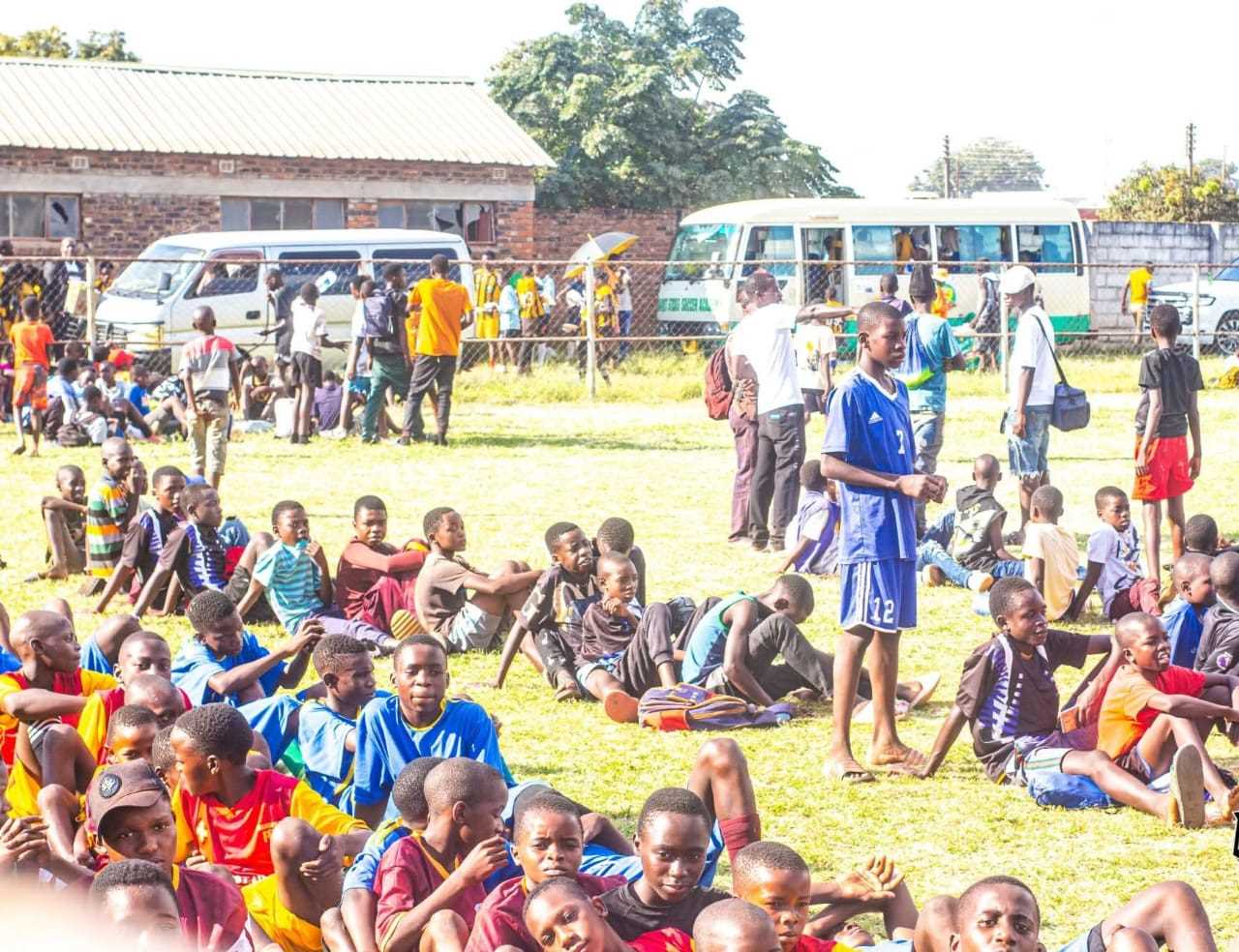
For many young Zimbabweans, football is more than just a sport. It is a dream, a source of hope and, for some, a potential pathway out of poverty. Yet in many rural communities, a growing belief that football opportunities only exist in Harare is slowly crushing the ambitions of talented young players.
A ZimNow investigation in Zvishavane and Mberengwa found that many aspiring footballers no longer believe they can build successful careers while remaining in their home communities. Instead, they view relocation to Harare as the only realistic way to attract the attention of scouts and professional clubs.
The perception has become deeply ingrained among young players, many of whom repeat the phrase, “Bhora totambirwa kuHarare,” meaning football is only played in Harare.
The belief is fuelled by poor sporting infrastructure, limited resources and a lack of regular scouting opportunities in rural areas. Young footballers in districts such as Zvishavane and Mberengwa often train without proper boots, kits or equipment. Some walk long distances to attend training sessions, while others are forced to share worn-out boots during matches.
Many community teams also struggle to raise money for transport to away fixtures, limiting opportunities for players to compete consistently and gain exposure.
In Mberengwa, ZimNow visited Mbesa Academy, a Division Two side where football is largely viewed as a community pastime rather than a viable career path. Players said talented youngsters are often advised to relocate to Harare if they want to pursue professional football.
“My brother, if you really want to focus on football, then you have to relocate to Harare because that is where football is being played,” said one Mbesa Academy player.
The situation has left many young athletes discouraged, with some abandoning their football ambitions altogether because they believe scouts and opportunities will never reach their communities.
Concerns over talent identification and player development in Zimbabwe are not new. Critics have long argued that scouting opportunities are concentrated in urban centres, leaving talented players from remote areas at a disadvantage.
Related Stories
Financial constraints also continue to hamper rural football development. Some teams fail to participate in district and provincial competitions because they cannot afford transport and other logistical costs, further reducing the chances of talented players being discovered.
Questions about fairness in player selection and scouting processes have also surfaced in Zimbabwean football. Recent reports surrounding Under-17 national team trials included allegations of favouritism and poor planning, with critics arguing that players from distant towns and rural communities were disadvantaged after being called to Harare at short notice.
Brighton Pamhirwa from Zvishavane believes rural communities are rich in football talent but lack the opportunities needed to unlock it.
“Talent is here, but opportunities are limited. Some boys walk long distances to training sessions and still have to borrow boots from teammates,” he said.
Coaches in the region say the absence of consistent scouting networks has only strengthened the perception that football success can only be achieved in Harare and other major cities.
Falcon Academy head coach Joel Ndika said many talented players are losing hope because they do not see a clear pathway to professional football while remaining in their communities.
“There is raw talent in Zvishavane. What is missing are the resources and structures needed to nurture that talent,” said Ndika.
Despite the challenges, community football initiatives continue to survive through the efforts of volunteers, coaches and local supporters who remain committed to developing young players. However, football stakeholders say meaningful investment in rural football is urgently needed.
They argue that improved facilities, better equipment, transport support and structured scouting programmes could help bridge the gap between rural talent and professional opportunities.
Until then, many young footballers in communities such as Zvishavane and Mberengwa will continue to grow up believing that their dreams can only take flight once they leave home for Harare.







Leave Comments