







Building materials manufacturer Turnall Holdings has issued one of the clearest warnings yet from Zimbabwe’s formal industrial sector, urging Government to clarify whether it still intends to support formal business amid the rapid expansion of the informal economy.
In its first quarter trading update, the company said the growing dominance of informal trade was placing sustained pressure on formal manufacturers and weakening the incentive for long-term industrial investment.
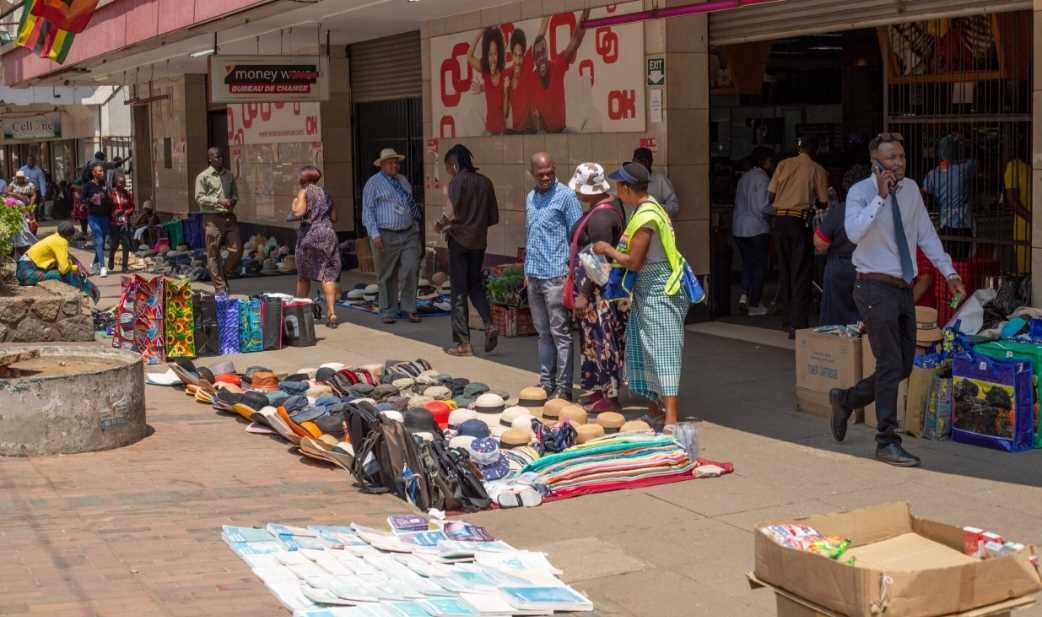
“Zimbabwe's formal retail sector continued to be under pressure from the informal sector, which now comprises of 76.1% of the economy,” the company said.
Turnall went further, warning that policy uncertainty around the formal economy was undermining confidence in capital-intensive manufacturing investment.
“It is critical that Government either simply says that we have no interest in a formal sector and therefore little basis for capital investment or that government policy is urgently geared to building a long-term manufacturing and infrastructural capital base,” the company said.
“There is absolutely a place for both an energetic entrepreneurial market as well as structured investment. At present, there is no policy development for the latter.”
The remarks come as manufacturers across Zimbabwe increasingly raise concerns over competition from informal traders, tax disparities and the growing shift of economic activity outside formal channels.
Related Stories
Despite the tougher operating environment, Turnall reported strong operational performance during the quarter, with sales volumes rising 39% driven mainly by increased demand for fascia boards and concrete roofing tiles.
The growth pushed production volumes up 14% during the period as construction activity and housing-related demand continued supporting parts of the building materials market.
The company said power supply conditions remained relatively stable during the quarter, easing one of the major constraints that affected industrial production in previous years.
However, rising fuel prices continued weighing on operating costs and profitability.
Turnall said higher fuel expenses compressed operating margins from 22% to 20% after the company absorbed additional costs in order to maintain stable product pricing.
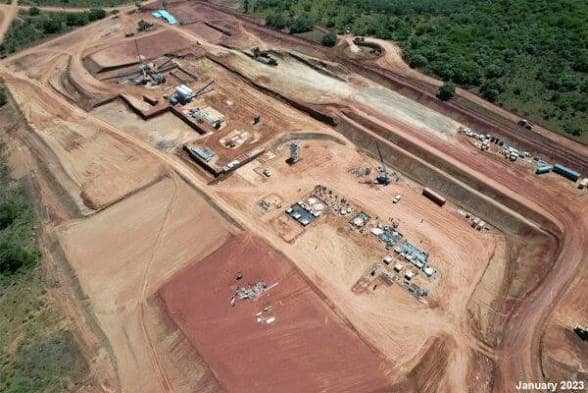
The company also continued expanding its production infrastructure as part of broader modernization efforts.
In March, Turnall commissioned a new fibre-cement sheeting plant in Harare, while upgrades at its Bulawayo factory and installation of a solar power plant are also underway to improve production efficiency and reduce long-term energy costs.






Leave Comments