






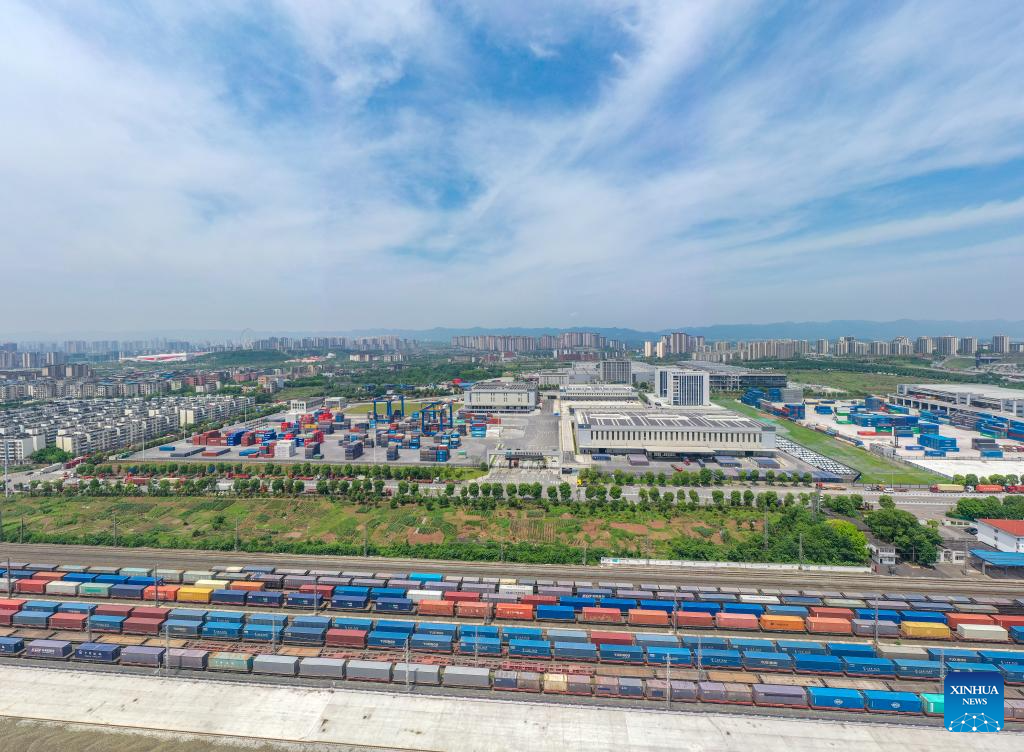
Touring Chongqing, a Zimbabwean media delegation saw firsthand how a mountainous, landlocked city became a global trade gateway, and the opportunities for Harare are clear.
At the China Inland International Logistics Hub Exhibition Centre, journalists watched automated systems and learned about a digital customs system called the "Single Electronic Window" technology that has turned a city once defined by geographic isolation into a powerhouse of global trade.
Through development of rail, air and river logistics, Chongqing is now a crucial Belt and Road Initiative anchor for China's trade with Europe, ASEAN and Africa.
With China's zero tariffs kicking in, the fast-moving African countries will move to work with the already existing logistics and supply chains that China has already established.
Related Stories
Zimbabwe should strategize to utilise RGMIA as a cargo airport linking Southern Africa and the world, merge ZIMRA and border posts into a unified digital corridor with ports like Beira and Durban, prioritise rail rehabilitation, and leverage Chinese relations to establish a logistics training platform.
Currently, China’s Belt and Road Initiative has poured over US$155 billion into African infrastructure. The Chongqing–Ethiopia corridor has delivered results the US$4 billion Addis Ababa-Djibouti Railway handles over 95% of Ethiopia's trade volume.
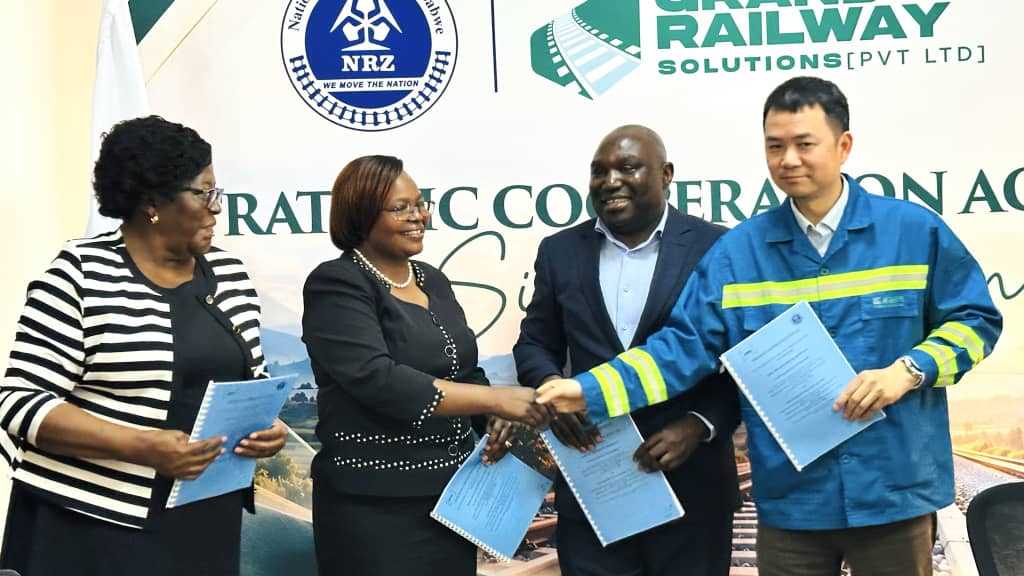
But southern Africa remains under-served with no hub of its own. Zimbabwe sits at the heart of SADC, making it geographically strategic as a manufacturing and logistics hub. The recently signed US$2.18 billion Lion’s Den–Kafue railway, a 311-kilometre corridor linking Zimbabwe and Zambia to Indian Ocean ports, is a critical piece of this puzzle. But much more is needed.
The reality on the ground is sobering. At its operational peak, the National Railways of Zimbabwe (NRZ) moved approximately 12 million tonnes of freight annually. That figure has dropped sharply to around 2.1 million tonnes. By 2030, NRZ aims to return to 12 million tonnes, but this depends on securing committed financing.
Solutions exist but require execution. These include
- Digital integration first. ZIMRA could link with Beira and Durban ports into a unified customs corridor, mirroring Chongqing’s single-window system, cutting clearance times dramatically.
- Secure and disburse rail funding. With US$115 million from Afreximbank nearing finalisation for locomotives and track repairs, and a US$533 million agreement with China Railway International Group under discussion, the funds are pledged but not yet flowing. "We must move past the era of agreements signed and into the era of funds disbursed," one Zimbabwean analyst recently warned. This comes soon after ZIDA revealed that only 5% of investment interest expressed in applications is implemented into actual projects.
- Leverage the RFI model. Zimbabwe’s proposed Resource-Financed Infrastructure model, using mining concessions as equity to attract private capital, has been successfully applied elsewhere and could unlock the US$600 million needed for NRZ Phase 1.
- Establish a logistics training hub. Local partnerships with Chinese firms could build skills in digital customs management, multimodal freight coordination, and rail operations.
Policy analyst Judith Mwai, of Africa-focused consultancy Development Reimagined, offers a crucial challenge: "The real litmus test for 2026 isn’t just the arrival of Chinese capital, but the 'Africanisation' of that investment. The focus must move from simply moving goods to actually making them".
Zimbabwe should seize this moment beyond positioning itself as a transit corridor to become the value-adding hub for southern Africa. The rail tracks, the digital systems, and the training programmes are within reach. What is needed is the resolve to move from signed agreements to shovels in the ground.





Leave Comments