










Each year, the international community marks United Nations Chinese Language Day, celebrating one of the world’s oldest and most influential languages. Observed during Guyu (“Grain Rain”), the sixth solar term in the traditional Chinese calendar, the occasion carries deep cultural and symbolic meaning.
Grain Rain represents renewal, nourishment and growth — an apt metaphor for the evolution of language, ideas and cross-cultural understanding.
The 2026 commemorations carry added significance as they coincide with the 80th anniversary of Chinese being recognised as an official language of the United Nations. The milestone highlights not only the historical depth of the Chinese language but also its continuing importance in global diplomacy, cultural exchange and international cooperation.
Related Stories
More than a medium of communication, the Chinese language is a living archive of civilisation. With a written tradition spanning thousands of years, it has preserved philosophy, literature, governance systems and scientific thought that continue to influence societies today. From classical writings to modern discourse, the language reflects both continuity and adaptability in a rapidly changing world.
In an increasingly interconnected global landscape, language plays a vital role in fostering mutual understanding. Chinese has become an important bridge linking diverse communities across continents. Learning the language opens opportunities to engage with one of the world’s most dynamic societies — economically, technologically and culturally — while promoting dialogue that transcends geographical and cultural boundaries.
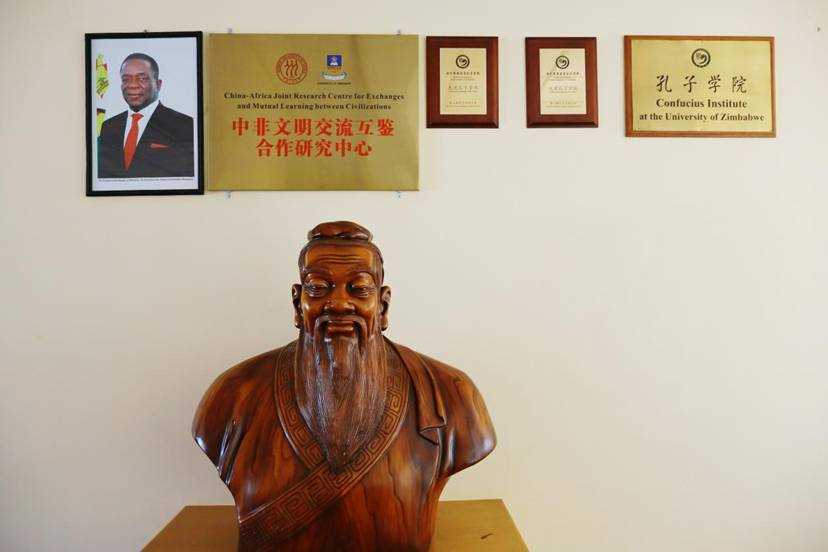
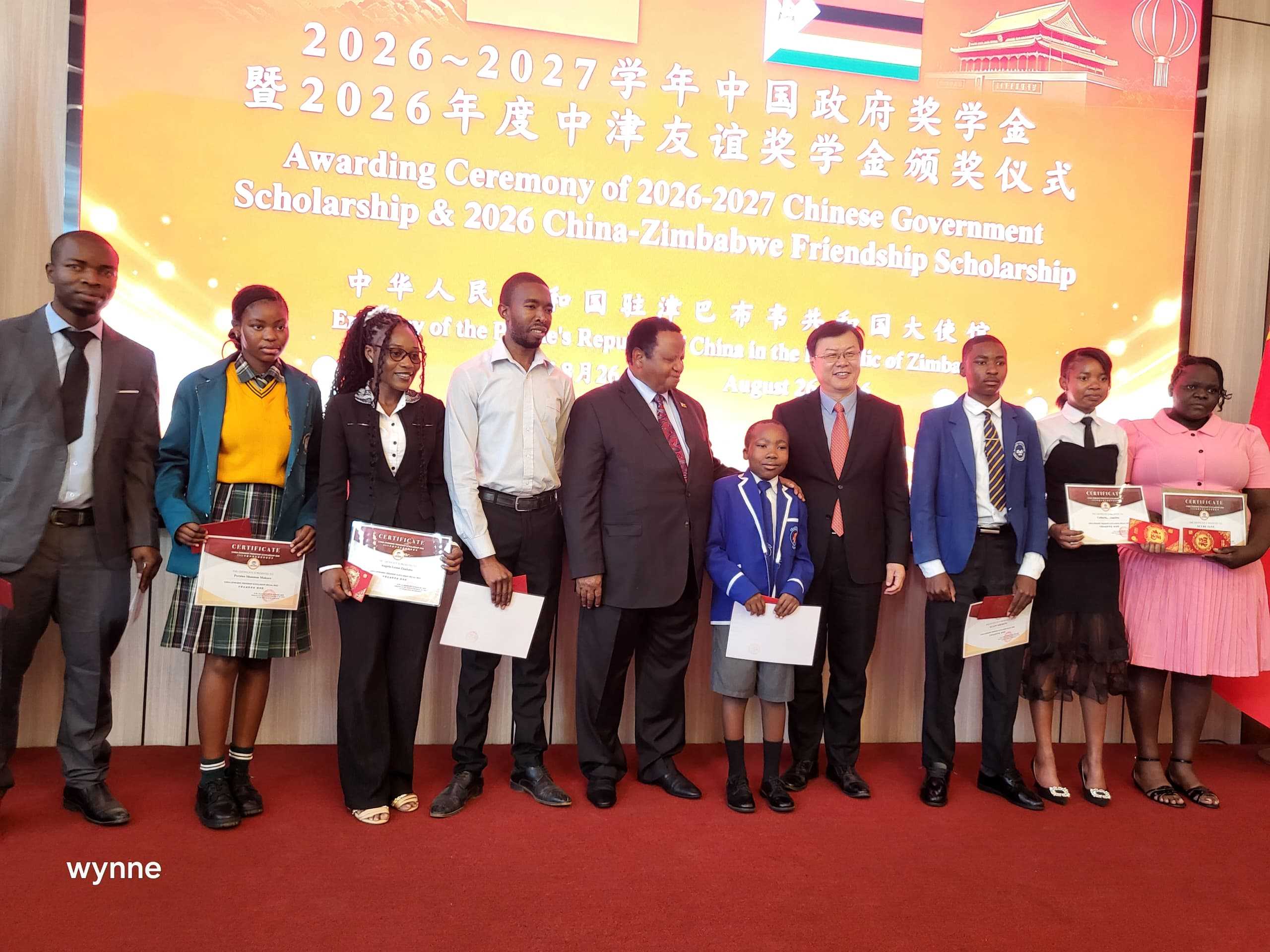
In Zimbabwe, initiatives supported by the Chinese Embassy underscore the role of language as a tool for connection. By encouraging the study and appreciation of Chinese, such programmes strengthen people-to-people exchanges and deepen intercultural appreciation between nations.
United Nations Chinese Language Day therefore goes beyond celebrating linguistic heritage. It serves as a reminder of the power of language to build bridges across cultures and generations. Learning a language is ultimately an invitation — to understand different perspectives, collaborate across borders and participate in a shared global conversation shaped by diversity.
As the world commemorates this occasion, the Chinese language stands not only as a carrier of ancient wisdom but also as a dynamic instrument for shaping a more connected and cooperative future.








Leave Comments