





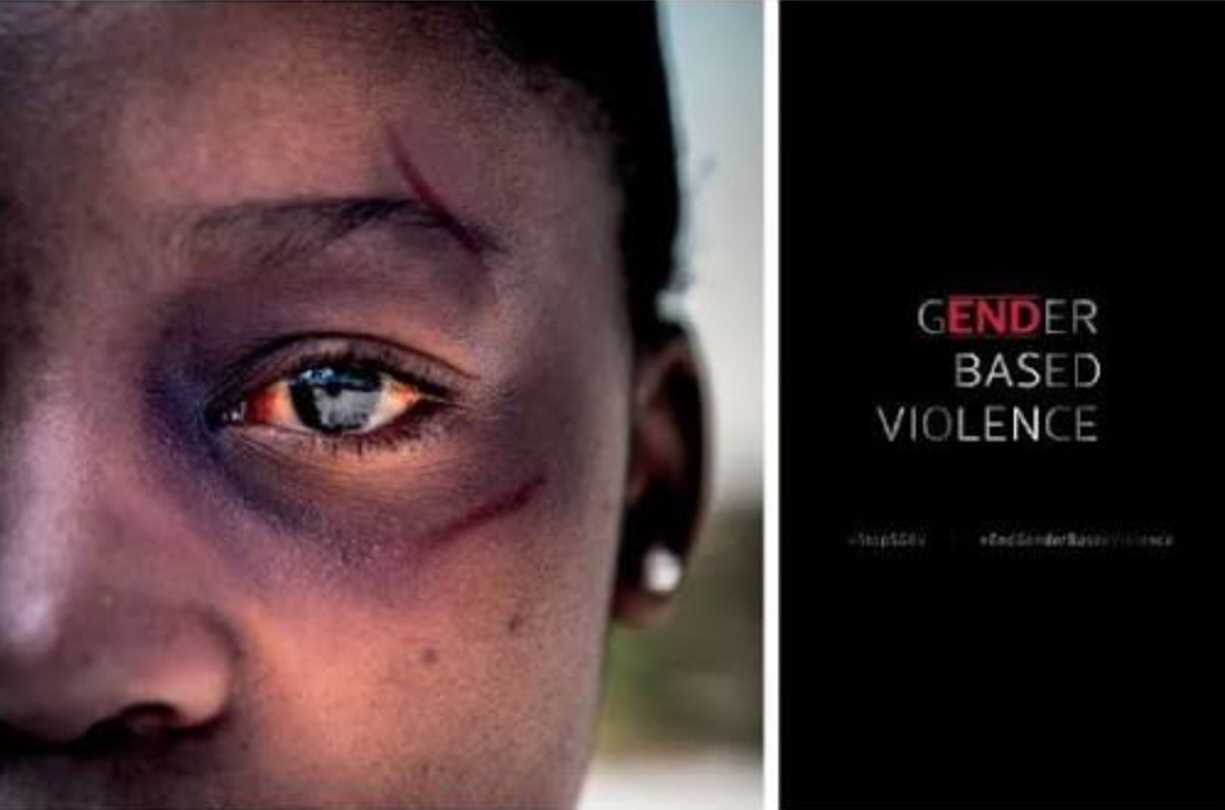
Zimbabwe is intensifying efforts to tackle gender-based violence following the launch of new funding support from the United Kingdom, as fresh data highlights the significant economic and social costs associated with the crisis.
At the launch event, the United Nations Population Fund revealed preliminary findings showing that GBV costs Zimbabwe an estimated 3.87 percent of GDP, equivalent to approximately US$1.36 billion annually. The losses reflect a combination of healthcare costs, lost productivity, legal expenses, and long-term social impacts on households and communities.
The funding initiative, supported by Government of the United Kingdom in partnership with local stakeholders, is aimed at strengthening prevention measures, improving survivor-centred services, and advancing gender equality. The programme builds on longstanding cooperation between development partners and Zimbabwe in addressing GBV.
UNFPA noted that the scale of the economic burden underscores the urgency of intervention, stating that the findings highlight “the profound financial and social losses borne by individuals, families, communities, and the national economy.” The agency added that addressing GBV is “not only a human rights and public health imperative, but also a critical economic priority.”
Related Stories
Zimbabwe continues to record high levels of GBV, with national surveys indicating that more than one in three women experience physical or sexual violence in their lifetime. These patterns have significant economic implications, including reduced workforce participation, lower productivity, and increased pressure on public health and social services.
Comparatively, GBV costs across Sub-Saharan Africa are estimated to range between 1 and 4 percent of GDP, placing Zimbabwe at the higher end of the spectrum. This suggests that the economic impact of violence is not only widespread but also structurally embedded, affecting long-term development outcomes.
The new funding is expected to support interventions such as safe shelters, legal assistance, psychosocial support, and community-based prevention programmes.
However, analysts note that sustained impact will depend on scaling these services nationwide and addressing underlying drivers of violence, including economic inequality, social norms, and gaps in law enforcement.
The findings reinforce a growing policy consensus that tackling GBV requires both social and economic responses. By quantifying the cost, the data strengthens the case for increased investment, positioning GBV prevention not only as a rights-based issue but as a key component of Zimbabwe’s development and economic strategy.










Leave Comments