









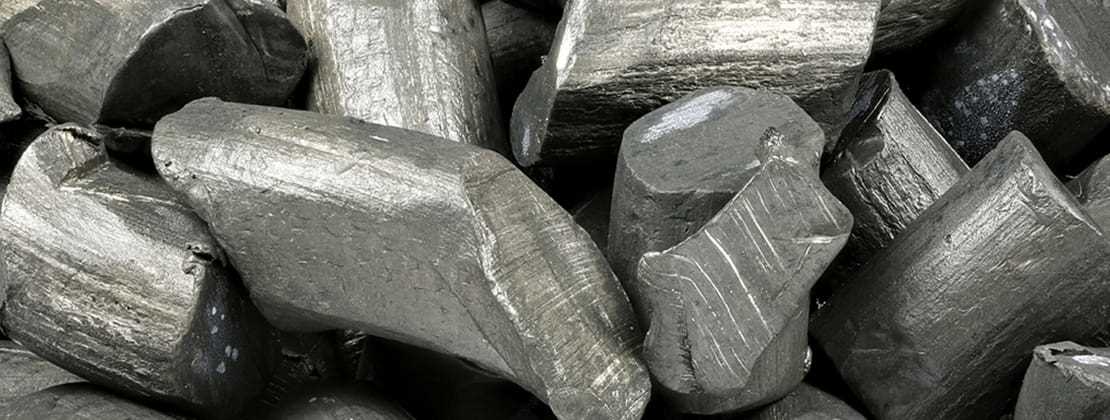
Zimbabwe has introduced a controlled lithium export regime, granting quotas to six operating mines as the government partially softens the full export ban imposed in February. The move allows mines to export under strict volume and consignment limits, subject to compliance with 11 government conditions.
“We came up with 11 conditions for the lithium producers, and government can now give them export quotas,” Minister Kambamura said. “They can no longer export freely what they think they can export, in terms of volume, tonnage, export consignments, and so forth.”
The Minister clarified that full export liberalisation will only occur after 1 January 2027, when key beneficiation milestones have been achieved. “We can only fully open this after 1 January 2027. So for now, we are giving them export quotas, the rationale being to avoid disruptions associated with resource depletion while beneficiation facilities are being established, as expected by government.”
Related Stories
Zimbabwe produces an estimated 25,000–30,000 metric tonnes of lithium carbonate equivalent annually, and global demand for battery-grade lithium continues to grow by 20–25 percent per year, driven largely by electric vehicle and renewable energy industries. Analysts note that uncontrolled exports could risk depleting reserves and reduce opportunities for local value addition, which the government is targeting through domestic processing and beneficiation facilities.
The Ministry of Mines highlighted the strategic intent behind the quotas, stating, “Authorities say unrestricted exports are over, with full liberalisation only expected after 1 January 2027, once beneficiation targets are met to safeguard long-term value and curb resource depletion.”
By restricting exports and enforcing compliance conditions, the government aims to balance immediate revenue from lithium exports with the long-term objective of industrial development, ensuring Zimbabwe captures greater value from one of its most strategic mineral resources.









Leave Comments